
Review · MALTA
Pastizzi Making Experience in Malta
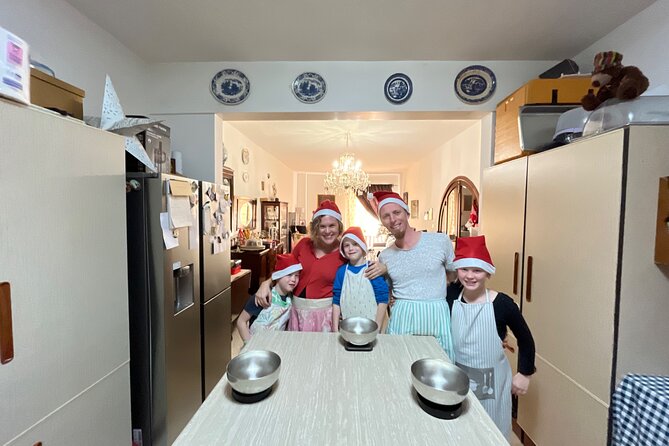
Pastizzi are small pastries with a big Maltese story. This two-hour class brings you into a home kitchen in Sliema to learn the hand-worked techniques behind Malta’s favorite savory snack. I like the small group of up to eight, which should give you room to ask questions, and I like that you make two classic fillings, ricotta and curried pea, rather than simply watching a demonstration. The main consideration is that this is a hands-on kitchen activity, so it may not suit anyone looking for a quick tasting stop.
Host Miki, also referred to as Michela and Michaela, brings a warm, patient approach to the class. The session mixes food, family tradition, and a playful attempt at the fastest pastizzi-making record. At $52.09 per person, it is more than a snack, but the value depends on whether you want a personal cooking lesson and a local food story, not just something tasty to eat.
In This Review
- Key points to know before booking
- Why pastizzi deserve a place in your Malta plans
- Arriving at the Sliema kitchen
- Learning the dough by hand
- Comparing ricotta and curried pea fillings
- The playful fastest-maker challenge
- Eating the pastizzi you made
- What the $52.09 price really buys
- Who will enjoy this class most
- Timing, transport, and cancellation advice
- Should you book the Pastizzi Making Experience?
- FAQ
- Where does the Pastizzi Making Experience take place?
- Where does the activity finish?
- How long does the experience last?
- How much does the experience cost?
- How many people can join the class?
- What will I learn to make?
- Which fillings are included?
- Can I cancel for a full refund?
- What happens if the class does not meet its minimum number of participants?
Key points to know before booking
- You make pastizzi by hand: Learn traditional dough techniques instead of only sampling the finished pastry.
- Two essential fillings: Prepare both ricotta and curried pea, the two classic choices taught during the class.
- Home-kitchen setting: The experience takes place at 39 Triq Tal-Katidral in Sliema, not in a large commercial cooking school.
- Small class size: A maximum of eight people allows for direct help while you work with the dough.
- Freshly baked finish: The class ends with eating the pastizzi you have prepared.
- Simple cancellation terms: Cancel at least 24 hours before the start for a full refund.
Why pastizzi deserve a place in your Malta plans
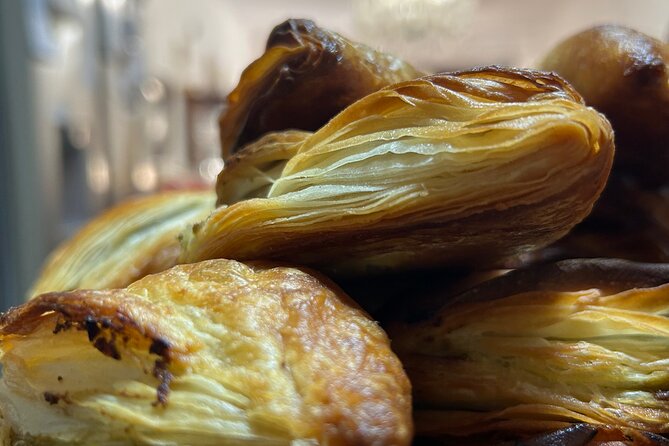
Pastizzi are one of Malta’s most recognizable local foods. They are modest pastries, usually folded around a savory filling, but their importance goes beyond their low-cost snack-shop reputation. They are tied to everyday Maltese life, family recipes, and the practical skill of working pastry by hand.
That makes this class more useful than a standard food tasting if you want to understand what you are eating. You are not just handed a warm pastry and told its name. You learn how the dough is prepared, how the fillings differ, and why the making process is treated as an art.
I also like the setting. A class in a home kitchen has a more personal feel than a large group demonstration. You are invited into someone’s working space and shown a family recipe. That gives the food a human connection, even though the experience remains short at about two hours.
The two-hour length is sensible. It is long enough for preparation, instruction, baking, and eating, but short enough to fit into a day of exploring Sliema or the wider Malta area. You should still arrive ready to take part. This is not a passive food tour where you stand back and let someone else do the work.
Other trips worth a look in Malta:
- Malta: Gozo & Comino Islands, Blue Lagoon & Seacaves Tour
★ 4.5 · 15,672 reviews - Comino: Blue Lagoon, Crystal Lagoon, and Seacaves Tour
★ 4.6 · 5,673 reviews - Malta: Blue Lagoon, Beaches & Bays Trip by Catamaran
★ 4.7 · 5,496 reviews
Arriving at the Sliema kitchen
The meeting point is 39 Triq Tal-Katidral in Sliema, and the activity finishes at the same location. The address is near public transportation, which is useful if you are building the class into a day without a car.
Because the meeting point is a private home, pay close attention to the exact address and allow enough time to find it. The supplied details do not specify a separate landmark, hotel pickup, or transfer service. You will need to make your own way there.
The return to the same meeting point is convenient. You do not need to plan a second pickup location, and you can continue your Sliema plans from the area after the class. Since the class is approximately two hours, check the start time carefully if you have a ferry, museum visit, or meal reservation afterward.
The maximum group size is eight. That number matters in a kitchen. With only a handful of people, Miki can watch how you handle the dough and give you help when your pastry does not behave as expected. If you have taken a group cooking class with twenty or more people, you will understand the difference.
Learning the dough by hand
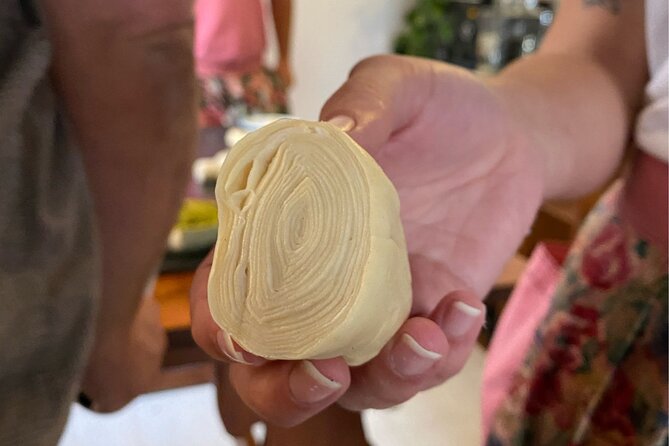
The main lesson is the dough. The experience explains that pastizzi are still made by hand, and you get to repeat the traditional techniques yourself. This is the part that gives the class its real value.
Working pastry can be fiddly. It takes patience, a light touch, and some attention to shape. The description does not promise that every pastizzi will look perfect, and that is part of the appeal. You are learning a local skill, not producing factory-identical snacks.
Miki is described as patient and welcoming, which matters here. A good cooking host needs to explain the process clearly, then let you try it without taking over. The small group should make it easier to receive that kind of help.
You should expect to spend part of the session preparing your own dough rather than simply filling ready-made pastry. That makes the class more rewarding, but it also means you need to participate. If you want an effortless tasting, a pastizzeria will be quicker and cheaper.
The hand-making lesson also gives you something useful to remember after Malta. One of the strongest features of the class is that you can take home the method, not just the memory of a snack. A family in the United Kingdom even planned to make pastizzi again after returning home, which tells you the recipe is meant to be practical rather than decorative.
Comparing ricotta and curried pea fillings
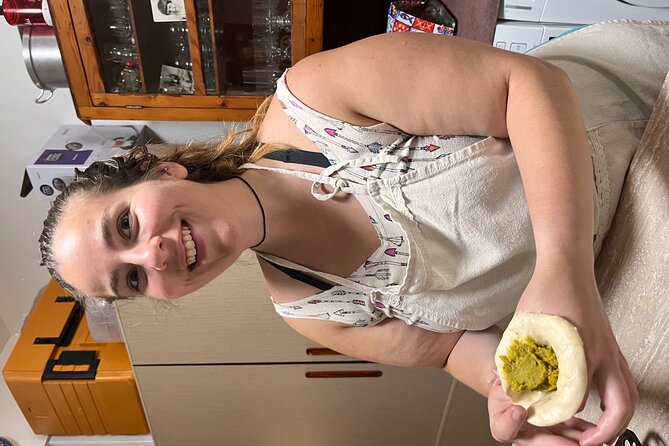
The class covers the two staple pastizzi fillings: ricotta and curried pea. This is a smart choice because the fillings offer two very different tastes and textures.
The ricotta version is the simpler of the pair in character. It gives you a creamy, mild filling that lets the pastry take the lead. The curried pea version brings a stronger savory note and a different texture. Making both helps you understand why pastizzi are not just one fixed recipe.
This comparison is valuable for first-time visitors. You may have eaten one type from a café or bakery and assumed all pastizzi were alike. Here, you can compare the fillings while they are fresh and learn how each one fits into the finished pastry.
The class information does not give a detailed ingredient list, allergy policy, or substitution policy. If you have food allergies or dietary restrictions, ask about them before booking. Do not assume that the recipe can be adapted.
A completely different kind of day:
- Malta: Gozo, Comino, Blue & Crystal Lagoon, & Caves Cruise
★ 4.6 · 5,092 reviews - From Malta: Full-Day Gozo UTV Tour with Lunch and Boat Ride
★ 4.6 · 4,408 reviews - From Sliema: Comino, Crystal Lagoon, and Blue Lagoon Cruise
★ 4.5 · 3,792 reviews - From Sliema: Gozo, Comino and Blue Lagoon Cruise
★ 4.5 · 3,461 reviews
The playful fastest-maker challenge
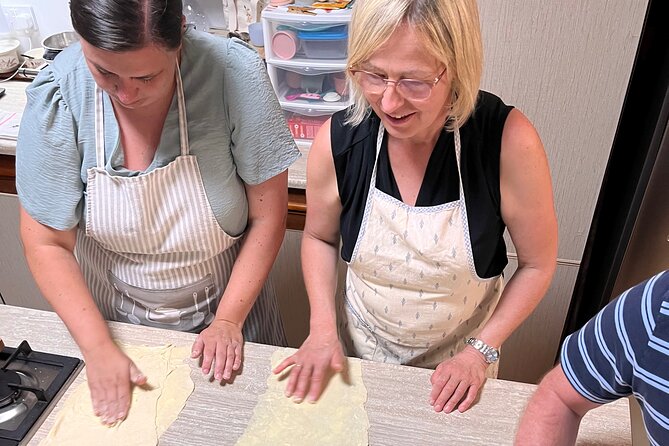
The lesson includes an attempt to beat the world record for the fastest pastizzi maker. It is clearly meant as a lighthearted part of the class, not a serious athletic contest.
This adds energy to the session after you have learned the slower, careful method. First, you work on technique. Then you get to see how quickly you can repeat it. The joke works because pastizzi making looks simple until you try to shape the dough yourself.
Do not treat the challenge as the reason to book. The main value comes from the recipe, the hand technique, and the chance to learn about Maltese food customs. The speed contest is a pleasant extra that helps keep the mood relaxed.
It also suits families and groups of friends. The supplied experiences describe the class as fun and easy to follow, with Miki helping people patiently. That combination of instruction and play should make the session less intimidating if you have little cooking experience.
Eating the pastizzi you made
The reward comes at the end, when the freshly baked pastizzi are ready to eat. This is a better finish than receiving a pre-prepared sample because you have followed the food from dough to filling to oven.
Fresh baking changes the experience. You can connect the crisp pastry and warm filling with the techniques you just practiced. Even if your shapes are uneven, the result should feel personal.
The supplied details do not specify the number of pastizzi, the size of each portion, or whether drinks are included. I would treat the meal as a generous tasting and a satisfying end to the class, not as a substitute for a full lunch or dinner.
If you love Maltese snacks, this final stage may be the highlight. One family booked specifically because they already loved pastizzi and wanted to learn how to make them. That is a good sign for anyone who wants to turn a favorite holiday food into a skill they can repeat at home.
What the $52.09 price really buys
At $52.09 per person, this is not the cheapest way to eat pastizzi in Malta. You can certainly buy the finished snack for far less. The price makes sense only if you value the lesson, the personal setting, the family recipe, and the small group.
I see three parts of the value:
- You receive instruction in a traditional technique.
- You work with both main fillings and eat the finished food.
- You spend time with a host who connects the recipe to Maltese tradition.
A private or home-based experience also tends to feel more personal than a standard bakery stop, although the supplied details do not say that the class is private. It is limited to eight people, so expect a small shared group rather than a one-to-one lesson.
The price is easier to justify if you are interested in food culture or want a memorable activity beyond sightseeing. It is harder to justify if your schedule is tight, your budget is very limited, or you mainly want to taste pastizzi without making them.
Booking demand is another practical point. The experience is booked an average of 105 days in advance, so I would not leave it until the last day of your Malta trip. Confirmation is sent within 48 hours of booking, subject to availability. Book early, especially if you need a particular date.
Who will enjoy this class most
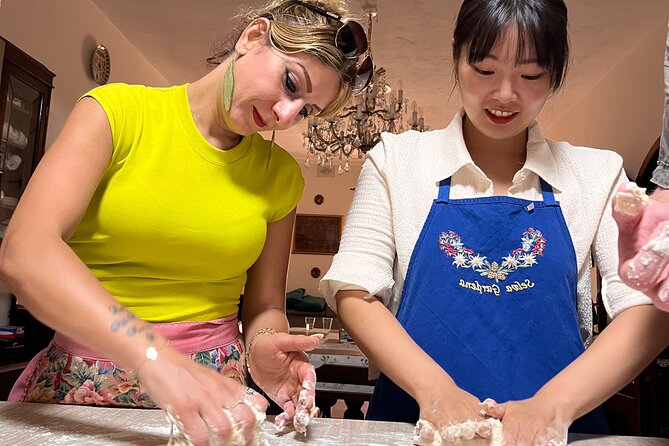
I would recommend the class to:
- Food-focused visitors who want to understand a local dish rather than only photograph it.
- Families looking for an activity that adults and children can share.
- Couples and friends who enjoy cooking together and do not mind a little pastry-related mess.
- Repeat visitors to Malta who have already seen the major sights and want a more local activity.
- Home cooks who want a recipe they can try again after returning home.
It may be less suitable for anyone who dislikes hands-on activities or wants a polished restaurant-style experience. The process may take patience, and the class is built around participation.
The available information does not explain accessibility features, kitchen access, seating, or facilities for particular mobility needs. Contact the provider before booking if these details matter to you.
Timing, transport, and cancellation advice
The activity lasts approximately two hours and begins and ends at 39 Triq Tal-Katidral in Sliema. It is near public transportation, but no transport is included. Plan your route in advance and allow time to arrive at the private kitchen.
The experience requires a minimum number of participants. If that minimum is not reached and the class is canceled, you will be offered another date or experience, or a full refund.
You can cancel for a full refund if you do so at least 24 hours before the local start time. Cancellations made less than 24 hours before the start are not refunded, and changes within that period are not accepted. This is a reasonable policy, but remember that food classes need preparation, so last-minute flexibility is limited.
Should you book the Pastizzi Making Experience?
Book it if you want to connect with Malta through food, enjoy learning by doing, and value a small home-kitchen setting. The combination of dough preparation, ricotta and curried pea fillings, a family recipe, and freshly baked results gives you more than a simple snack stop.
I would skip it if you only want the cheapest possible taste of pastizzi or if your Malta schedule leaves no room for a two-hour class. For everyone else, the price is fair when you count the lesson and the personal time with Miki, not just the pastries.
The strongest reason to book is simple: you leave with a better understanding of a food you can find all over Malta, and perhaps with the confidence to make it again at home.
FAQ
Where does the Pastizzi Making Experience take place?
It takes place at 39 Triq Tal-Katidral in Sliema, Malta.
Where does the activity finish?
The activity ends back at the meeting point in Sliema.
How long does the experience last?
The experience lasts approximately two hours.
How much does the experience cost?
The listed price is $52.09 per person.
How many people can join the class?
The activity has a maximum of eight participants.
What will I learn to make?
You will learn traditional hand-making techniques for pastizzi, including preparation of your own dough.
Which fillings are included?
The class covers the two staple fillings, ricotta and curried pea.
Can I cancel for a full refund?
Yes. You can receive a full refund if you cancel at least 24 hours before the experience start time.
What happens if the class does not meet its minimum number of participants?
You will be offered a different date or experience, or a full refund if the provider cancels because the minimum number is not met.
Just added in Malta
- Gozo: Wine Tasting and Paired Dinner Experience★ 4.9 · 43 reviews
- Wakeboarding Adventure in Malta: Learn to Ride★ 5.0 · 4 reviews
- Victoria, Gozo: Sunset Walking Food and Drink Tour★ 5.0 · 6 reviews
- World War II Malta Full-Day Walking Tour★ 4.3 · 18 reviews
- Malta: 5 hr Vintage Bus Tour – Mdina & Blue Grotto inc. food★ 5.0 · 22 reviews
- Valletta: Private Massage from a world renowned masseuse★ 4.6 · 9 reviews
- Valletta Street Food & History Tour With Private Transfers★ 4.5 · 15 reviews
- Valletta: Private Walking Tour With A Guide ( Private Tour )★ 5.0 · 1 review