
Review · WALKING TOURS IN VALLETTA
World War II Malta Full-Day Walking Tour
Malta’s wartime story is written in stone. I like the air raid shelters and the sweeping view from the Siege Bell, and I also value having a local guide connect Valletta’s monuments to the 1940 to 1942 siege. The main drawback is pace: seven hours covers a lot, but some stops may feel rushed, especially the tunnels and Fort St Elmo.
This is a history tour with plenty of walking, not a relaxed sightseeing loop. You move between Vittoriosa and Valletta, enter underground wartime sites, visit memorials, and finish at the Malta War Museum. At $71 per person, the price is fair if you want transport, a guide, and included entry tickets in one day.
One recent guide was apparently a former mayor, described as a real character with strong command of the subject. That sort of guide can make Malta’s wartime past feel personal rather than like a list of dates. Still, the quality of the day depends on how clearly the guide speaks while walking, and one guest found a portable microphone would have helped.
In This Review
- Key points at a glance
- Why Malta mattered so much in World War II
- Starting in Vittoriosa and moving toward Valletta
- Entering Malta’s air raid shelters
- Fort St Elmo and Malta’s military story
- Valletta’s land front and the scars of bombing
- George’s Square, the Queen Victoria statue, and Victory Kitchens
- Victoria Gate and the Santa Marija Memorial
- Upper Barracca Garden and the Siege Bell
- Lascaris War Rooms and the road to Sicily
- The Malta War Museum finale
- Is $71 a fair price?
- Who should book this walking tour?
- Should you book it?
- FAQ
- How long does the World War II Malta Full-Day Walking Tour last?
- What sites are visited?
- Are entrance tickets included?
- Is hotel pickup available?
- Is lunch included?
- What language is the tour in?
- Is the tour suitable for people with mobility impairments?
Key points at a glance
- Air raid shelters put Malta’s siege at ground level: The underground spaces show how civilians coped with bombing and shortages.
- The tour links WWII sites with British Malta: You see RAF and Royal Navy memorials, British-era gates, statues, and wartime headquarters.
- Valletta’s memorials carry real weight: The Santa Marija Memorial honors sailors lost during Operation Pedestal, while the Siege Bell remembers about 7,000 people killed during the siege.
- Lascaris War Rooms add military command history: This is where Malta’s air defense was directed and where Allied commanders planned the 1943 invasion of Sicily.
- The schedule favors range over depth: You see many important places, but the underground areas and fort may not receive as much time as history fans want.
- Comfortable shoes are essential: Expect a full day on foot, with uneven surfaces, stairs, and little appeal for anyone with mobility limitations.
Why Malta mattered so much in World War II
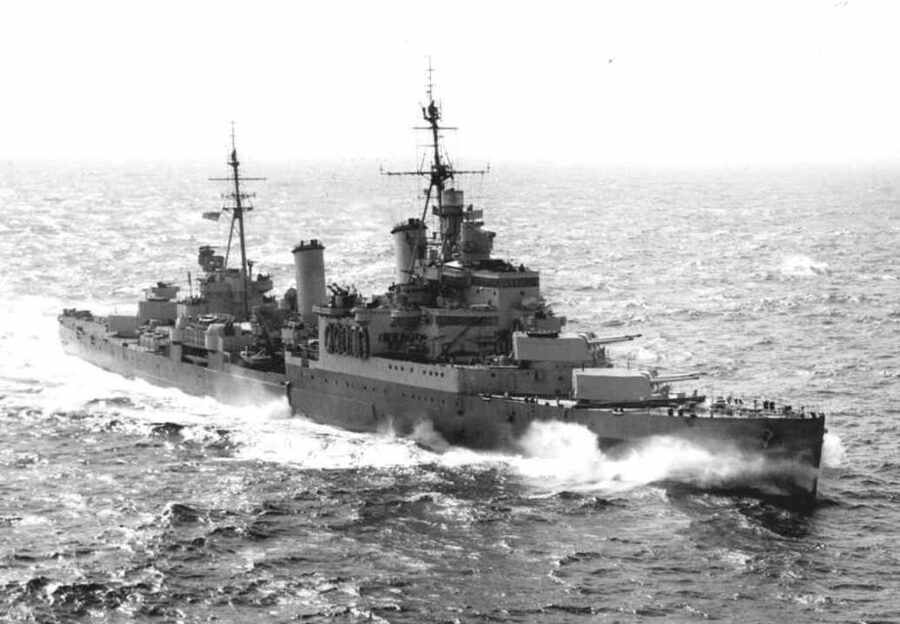
Malta sits in the middle of the Mediterranean, which made it a prize during World War II. From the island, British aircraft and ships could attack Axis convoys carrying fuel, equipment, and troops from Europe to North Africa.
That location became even more important after the North African campaign opened in 1940. German and Italian forces needed a steady flow of supplies, while Britain used Malta as a base from which to disrupt those shipments. General Erwin Rommel understood the danger and warned in 1941 that the Axis would lose control of North Africa without Malta.
Your guide sets up this larger story before you begin moving through the sites. That context matters. A gate, memorial, or bomb-damaged building can otherwise seem like another old Valletta sight. With the military story in place, each stop has a clear purpose.
The siege lasted from 1940 to 1942 and involved Italian and German air forces and navies against the Royal Air Force and Royal Navy. Malta endured bombing, food shortages, and serious civilian losses. The George Cross awarded to the island in 1942 recognized the population’s courage.
This tour is most useful if you want to understand how Malta fits into the wider war. It is less suited to someone seeking only battlefield remains or a specialist military lecture.
More Walking Tours in Valletta
- The Original Valletta Walking Tour
★ 5.0 · 2,719 reviews - Valletta: 3-Hour Walking Tour
★ 4.7 · 1,605 reviews - Valletta: Guided City Walking Tour
★ 4.8 · 1,256 reviews
Starting in Vittoriosa and moving toward Valletta
The day includes pickup from your hotel or a nearby meeting point, with the exact pickup time confirmed by the local supplier one day before departure. That arrangement is helpful if you are staying outside central Valletta or do not want to work out Malta’s transport system first thing in the morning.
The route takes in Vittoriosa before concentrating on Valletta. The older fortified harbor area gives the tour a fitting beginning. Malta’s ports were central to British naval operations, and the harbors explain why the island was so valuable to both sides.
Do not expect a slow stroll with long pauses at every building. The tour has a seven-hour limit and includes several major sites. You will spend part of the day walking between stops, part listening outdoors, and part inside museums and underground spaces.
One practical weakness is sound. A recent guest praised the guide but said it was hard to hear explanations away from the bus. If you are in a large group, stay close to the guide whenever possible. This is especially important on busy streets or near open squares, where traffic and general city noise can swallow a soft voice.
Entering Malta’s air raid shelters
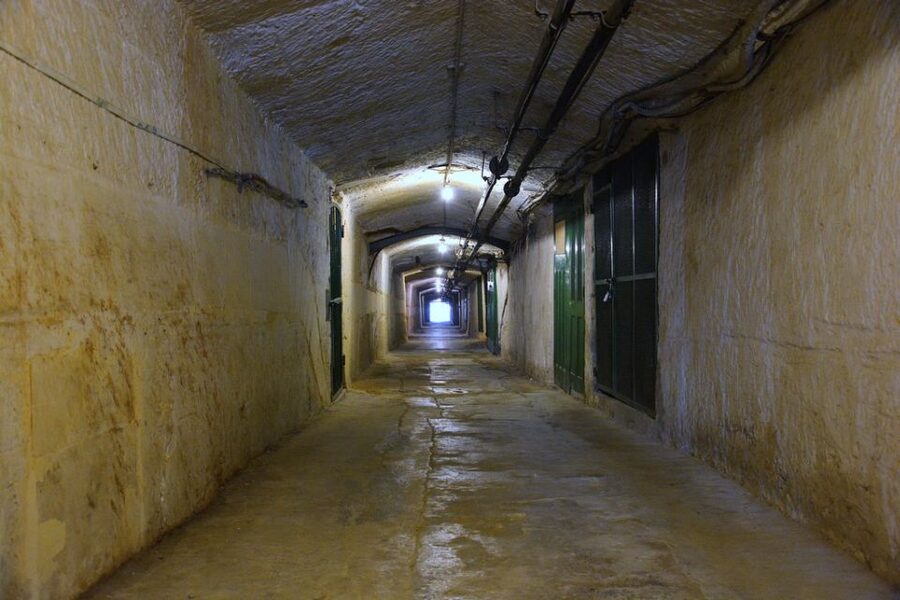
The air raid shelters are one of the strongest parts of the day. They move the story away from generals and supply routes and toward daily life underground.
Malta’s population had to cope with repeated air attacks, and shelter spaces became part of ordinary survival. Walking into these underground passages gives you a better sense of confinement and pressure than a surface monument can provide. The experience is physical: you are below street level, surrounded by narrow spaces, rather than simply reading about bombing on a museum panel.
The shelter visit is included in the price. Several people found this portion especially interesting, though one felt it deserved more time. That is a useful warning for anyone with a strong interest in civil defense. You may leave wanting to explore more of the tunnels than the schedule permits.
The tour is not suitable for people with mobility impairments. You should also choose sturdy shoes, since the day includes underground areas and a good deal of walking. The supplied advice is simple, but important: wear comfortable footwear.
Fort St Elmo and Malta’s military story
Fort St Elmo gives the tour a solid military setting. Its position at the mouth of Valletta’s harbor helps explain the island’s defensive system and the importance of controlling the water approaches.
The fort is included among the main sites, and the tour description lists an entrance to Fort St Elmo. It is a worthwhile stop for anyone trying to understand Malta as a defended naval base rather than only a beautiful capital city.
The catch is time. One guest felt that the fort, like the tunnels, had more to offer than the schedule allowed. You may get the main wartime explanation and see key areas without having the leisure to examine every room, wall, or display.
That makes the tour a good first look. If Fort St Elmo becomes your favorite stop, you may want to return independently for a slower visit. The guided day gives you the story and the setting. It does not promise a detailed survey of every corner.
A completely different kind of day:
- From Malta: Full-Day Gozo UTV Tour with Lunch and Boat Ride
★ 4.6 · 4,408 reviews - From Malta: Full-Day Gozo Quad Tour with Lunch and Boat Ride
★ 4.8 · 1,419 reviews - Valletta: Street Food and Culture Walking Tour
★ 4.8 · 1,251 reviews - Gozo Full-Day Jeep Tour with Private Boat to Gozo & return
★ 4.5 · 1,048 reviews
Valletta’s land front and the scars of bombing
In Valletta, the walk brings you to Porta Reale, part of the curtain wall at the center of the city’s land front. This is a useful place to consider how the capital was defended and how visitors entered the fortified city.
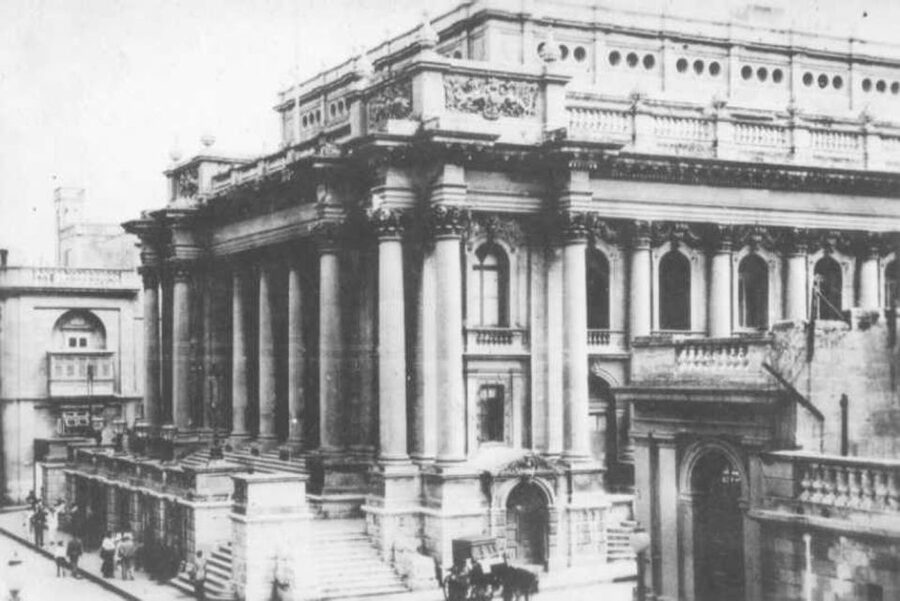
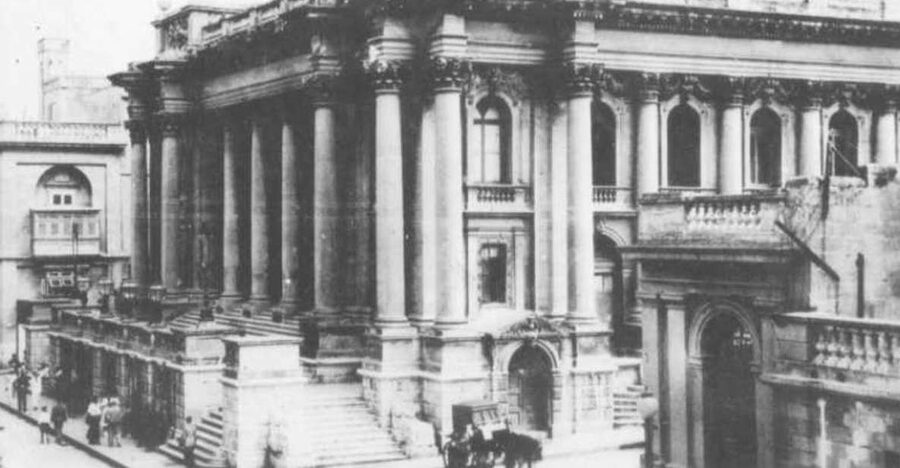
The route continues to Pjazza Teatru Irjal, where the former Royal Opera House was heavily bombed in 1942. The site connects wartime destruction with modern Valletta. You are not looking at an isolated military ruin; you are seeing how bombing affected one of the city’s public and cultural landmarks.
Strada Stretta adds a different mood. The street is tied to Valletta’s British period and later social life, so the tour moves beyond battle plans and memorials. This broader setting helps explain what British rule looked like in the city, though it also supports the concern raised by one guest that the experience sometimes feels like a general Valletta tour with a WWII theme.
That distinction is worth keeping in mind. The day covers a broad slice of Malta’s wartime and British history. It is not a nonstop military seminar.
George’s Square, the Queen Victoria statue, and Victory Kitchens
At Misrah San Gorg, or St. George’s Square, you learn about the George Cross awarded to Malta in 1942. The award is a reminder that the island’s civilians were recognized for endurance under sustained attack.
The Queen Victoria statue in Republic Square adds another marker of British rule. This may seem less directly connected to the war, but it helps place the conflict within Malta’s longer relationship with Britain.
The discussion of Victory Kitchens is one of the more unusual details on the route. These community kitchens were created during food shortages to reduce waste. The subject gives you a glimpse of wartime management at street level: not just aircraft and ships, but rationing, shared food, and practical measures to keep a population going.
This is where a good guide matters most. The physical sites are easy to pass quickly. A clear explanation can turn a square or statue into evidence of how wartime life changed the city.
Victoria Gate and the Santa Marija Memorial
Victoria Gate was built on the site of the old Del Monte Gate. Passing through this area gives you another chance to see how Valletta’s entrances changed over time and how the fortified city was adapted under British rule.
Nearby, the anchor-shaped Santa Marija Memorial honors sailors who died during Operation Pedestal. That operation was a major effort to bring supplies to Malta in August 1942, when keeping the island fed and armed had become urgent.
The memorial is a quiet counterpoint to the larger military story. It points to the cost paid at sea, where convoys faced attack before reaching Malta. If you are interested in naval history, pay close attention here. The tour does not treat the siege as an air war alone.
Upper Barracca Garden and the Siege Bell
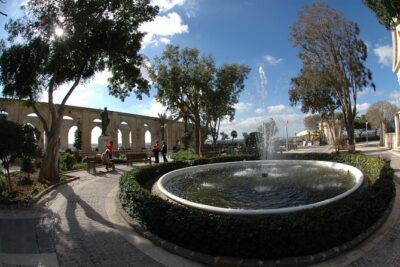
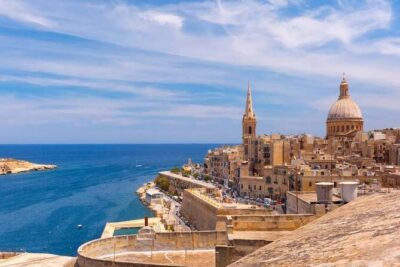
Upper Barracca Garden offers some of the best views on the route. You look over Valletta Harbor and the surrounding fortifications, gaining the geographic picture that maps often fail to provide.
I particularly like this stop because it combines scenery with military logic. From above, the harbors and defensive walls make more sense. You can see why ships, batteries, and fortified towns mattered so much to Malta’s survival.
The garden also contains statues of Winston Churchill and other prominent figures. Then the route reaches the Siege Bell Memorial, built in 1992 to honor the roughly 7,000 people who died during the Siege of Malta.
The bell overlooks the Great Harbor, making it one of the most memorable final outdoor stops. The setting is peaceful now, but the memorial asks you to connect that calm view with years of bombing, hunger, and fear. Bring a moment of quiet attention here. It is not just a photo stop.
Lascaris War Rooms and the road to Sicily
The underground Lascaris War Rooms show how the defense of Malta was organized. This was the command center for air defense and for major Mediterranean naval operations.
The rooms also have a wider Allied connection. General Eisenhower and senior commanders including Admiral Cunningham, Field Marshal Montgomery, and Air Marshal Tedder used this command structure while directing the 1943 invasion of Sicily.
That connection gives the site real importance. Malta was not simply a place that endured attacks. It was also a working Allied headquarters where decisions affecting the next stage of the war were made.
The drawback is again the schedule. One guest found the tunnel guide very informative but saw only two areas before having to leave. You should expect an introduction rather than a full examination of the underground complex.
The Malta War Museum finale
The day includes a ticket to the Malta War Museum, and the tour ends with time at the museum. This is a useful finish because you can gather together the military details introduced throughout the day.
The museum portion is self-guided rather than a continued talk by your main guide. That gives you freedom to move at your own pace, but it also means the final interpretation depends on how much time remains and how much reading you want to do.
One guest considered the museum well worth visiting. Another felt the whole day offered more general attractions than detailed WWII coverage. Both impressions can be true. The museum may satisfy you if you want displays to follow up on the day’s main themes, but the guided portion itself does not spend equal time on every wartime subject.
Plan your energy accordingly. If you are hoping to study every exhibit, you may want to return on another visit.
Is $71 a fair price?
At $71 per person, the tour offers reasonable value for a full seven-hour day. The price includes hotel or nearby pickup and drop-off, a licensed local guide, the air raid shelter ticket, and the Malta War Museum ticket. The tour description also includes visits to Fort St Elmo and the underground wartime sites.
You are paying for structure as much as admission. Malta’s wartime sights are spread across Vittoriosa and Valletta, and the guided route saves you from arranging the day site by site. That is useful if you are new to Malta, staying in a resort, or not confident traveling outside your immediate area.
Lunch is not included. You should allow time and money for food, but do not expect a long restaurant break. One guest found that stopping at a café meant rushing the meal because the day continued.
The value is weaker if you already know Valletta well and are comfortable arranging your own visits. In that case, independent sightseeing may give you longer inside the tunnels and fort. The tour earns its price through convenience, transport, and the guide’s overall explanation.
Who should book this walking tour?
I would recommend it to first-time visitors who want a clear introduction to Malta’s World War II story. It also suits solo visitors and anyone who would rather have transport and a guide than manage several historic sites alone.
History fans should book with one qualification: expect breadth, not exhaustive detail. You will visit important places, but the schedule may leave you wishing for more time at the shelters, Fort St Elmo, and Lascaris War Rooms.
The tour is not a good choice if you have mobility limitations. It includes substantial walking and underground sites, and the operator specifically says it is unsuitable for people with mobility impairments.
English is the tour language, and cancellation is free up to 24 hours before departure. You can also reserve and pay later, which helps if your Malta plans are still shifting.
Should you book it?
Book this tour if you want the main WWII story in one organized day, with air raid shelters, memorials, harbor views, Fort St Elmo, and the Malta War Museum all connected by a guide. The most praised elements are the informative guiding, the shelter visit, and the strong overall introduction to Malta’s wartime experience.
Skip it if you prefer slow museum visits or already have the confidence to arrange Valletta’s sights yourself. You may see fewer areas than you would independently, but you will gain a useful framework for understanding why Malta mattered so much in the Mediterranean war.
For most first-time visitors, $71 is a sensible price for the access and orientation. Just wear good shoes, stay close enough to hear the guide, and save a return visit for whichever site leaves you wanting more.
FAQ
How long does the World War II Malta Full-Day Walking Tour last?
The tour lasts seven hours.
What sites are visited?
The route includes Vittoriosa and Valletta, the air raid shelters, Fort St Elmo, Valletta war memorials, Upper Barracca Garden, the Siege Bell, Lascaris War Rooms, and the Malta War Museum.
Are entrance tickets included?
The air raid shelter ticket and Malta War Museum ticket are included. The tour information also lists an entrance to Fort St Elmo.
Is hotel pickup available?
Yes. Pickup and drop-off are provided from your hotel or the nearest convenient point.
Is lunch included?
No. Lunch is not included, so you should plan to buy food during the day.
What language is the tour in?
The live guided tour is conducted in English.
Is the tour suitable for people with mobility impairments?
No. The tour is listed as unsuitable for people with mobility impairments. Comfortable shoes are recommended for the walking and underground portions.
Just added in Valletta
- Malta: 5 hr Vintage Bus Tour – Mdina & Blue Grotto inc. food★ 5.0 · 22 reviews
- Valletta: Private Walking Tour With A Guide ( Private Tour )★ 5.0 · 1 review
- Valletta: Private Maltese Cuisine Walking Tour★ 4.8 · 8 reviews
- Valletta Private Walking Tour★ 5.0 · 1 review
- Afternoon Harbours Cruise with Guide and Roundtrip Transfers★ 3.4 · 11 reviews
- Valletta & Mdina: Private Tour★ 4.5 · 16 reviews
- Valletta: Guided Walking Tour★ 3.8 · 5 reviews
- Valletta : Highlights & Hidden Gems Walking Tour★ 3.1 · 5 reviews
Walking Tours in Valletta, compared.


Browse the lists this tour appears in