
Review · WALKING TOURS IN MDINA AND RABAT
Malta: Mdina and Rabat Walking Tour with Catacombs
Malta’s past is written in stone. This $29 walking tour links Mdina’s medieval lanes with Rabat’s underground catacombs, St. Paul’s Grotto, and World War II shelters. I like the way it combines famous sights with places that are easy to miss on your own, and I especially like that entrance fees are included rather than added at the end.
The guides are another strong point. Mario, known to some groups as the history teacher, Carmel, Matthew, Dylan, and Allysia have all been praised for clear explanations, humor, and patience with questions. The main drawback is physical: this is a walking tour with plenty of standing, steps, and underground passages, so it may not suit people with mobility difficulties or anyone uneasy in airless spaces.
In This Review
- Key points to know before booking
- Why Mdina makes a fine starting point
- From Mdina Gate to Greeks Gate
- Palazzos, chapels, and the baroque cathedral
- The bastion walls and Malta’s wide views
- Crossing into Rabat for a different side of Malta
- Entering the catacombs and St. Paul’s Grotto
- WWII shelters and the human side of the tour
- How the guides shape the experience
- Timing, comfort, and practical planning
- Is $29 a fair price?
- Who should book this Mdina and Rabat walk?
- FAQ
- Where does the Mdina and Rabat walking tour meet?
- How long does the tour last?
- What language is the tour conducted in?
- Are the catacombs and other Rabat entrances included?
- Does the tour include hotel transportation?
- What should I bring?
- Is the tour suitable for wheelchair users?
- Should you book it?
Key points to know before booking
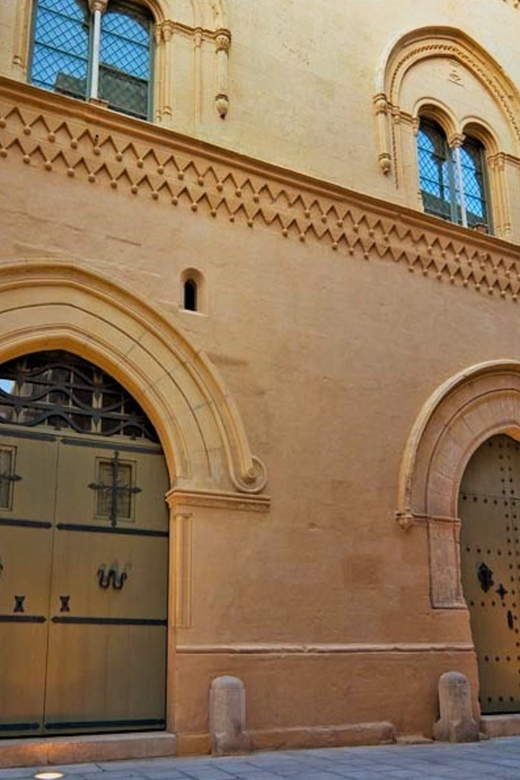
- Mdina’s narrow streets: Walk through the former capital, where medieval planning and later baroque rebuilding meet behind quiet stone walls.
- Catacombs and WWII shelters included: Your ticket covers the underground sights in Rabat, giving the tour more substance than a simple city stroll.
- Excellent local storytelling: Guides such as Mario, Carmel, Matthew, and Dylan are praised for making Maltese history easy to follow.
- Bastion views: Mdina’s walls provide wide views across central Malta and help explain why this plateau mattered for centuries.
- A packed 2.5-hour route: Some groups finish closer to three hours, but the schedule still moves at a steady walking pace.
Why Mdina makes a fine starting point
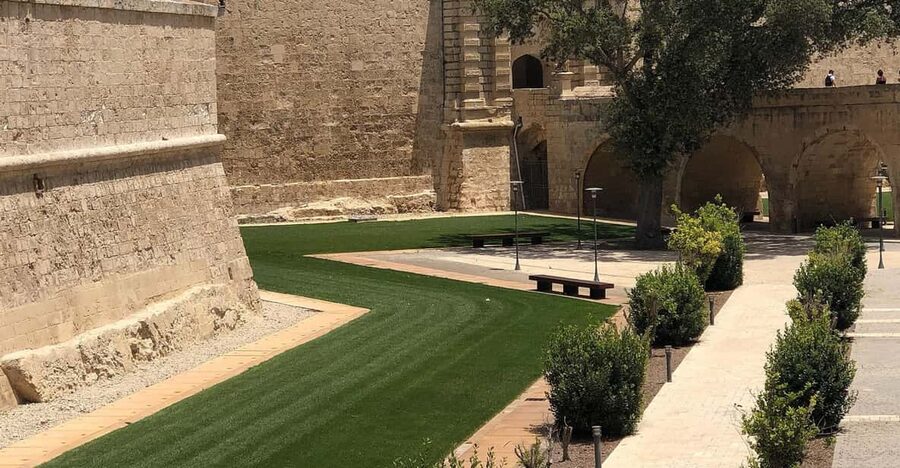
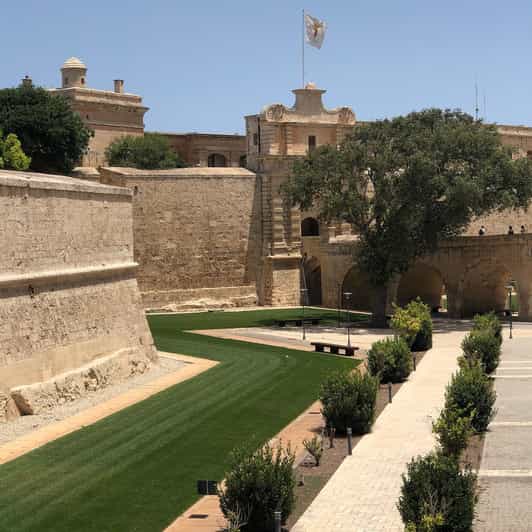
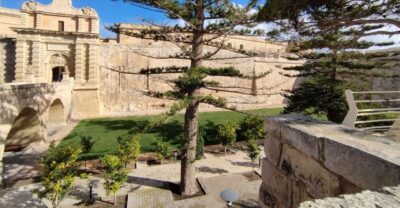
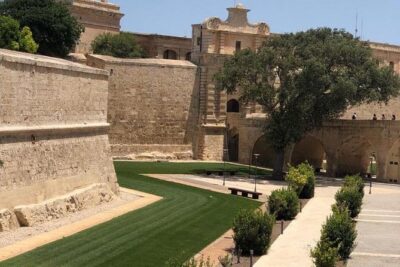
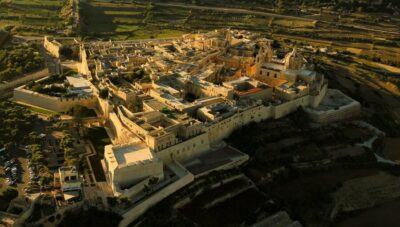
Mdina was once Malta’s capital, and its position on a central plateau explains much of its character. From the outside, its bastions and cathedral dominate the surrounding countryside. Inside, the streets narrow quickly, and the city feels more like a fortified neighborhood than a modern town.
That contrast is the chief pleasure of the walk. You move from broad defensive walls into lanes that have changed little in their basic shape over many centuries. The stone buildings, palazzos, chapels, and shaded corners make more sense when your guide explains how Mdina developed under Phoenician, Roman, Arab, Norman, and later Maltese rule.
The city has carried several names, but Città Notabile, meaning noble city, suits it well. It was not simply a pretty old town. Its high position made it a place of power, administration, and defense long before Valletta took over as Malta’s main capital.
I would not visit Mdina without a guide if this is your first time in Malta. The streets are attractive enough for a pleasant wander, but the details can blur together. A guide gives you the reasons behind the walls, the buildings, and the city’s changing importance.
More Walking Tours in Mdina and Rabat
- Mdina and Rabat: Guided City Walking Tour
★ 4.8 · 549 reviews - Mdina and Rabat Walking Tour inc. Catacombs and St. Paul’s Grotto
★ 5.0 · 341 reviews - Mdina and Rabat – City Walking Tour
★ 5.0 · 215 reviews
From Mdina Gate to Greeks Gate
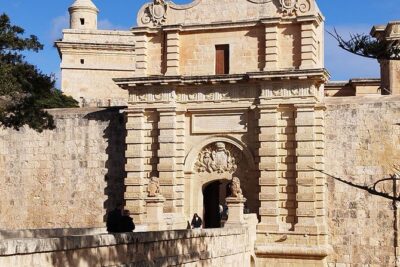
The meeting point is outside Mdina Gate, beside the playing field. That is useful to know because you should not expect a hotel pick-up. You need to make your own way to Mdina, and it is wise to arrive with a little time to find the guide.
The route includes Greeks Gate, one of the city’s notable entrances. A gate is easy to glance at and pass through, but here it becomes part of the larger story of who could enter the city and how Mdina controlled movement across the island.
The guide’s commentary is a major part of the value. Several guides have been praised for explaining difficult periods in simple terms, answering questions without losing the group, and adding local details. Mario’s background as a history teacher comes through in the way he builds a story. Carmel is frequently described as warm and humorous, while Matthew is praised for keeping the pace comfortable and responding thoughtfully to questions.
You may also hear personal or cultural details that are not found on a standard signboard. One guide connected the city’s past with family history, and another added Game of Thrones information for the group. Those touches are useful when they support the place rather than distract from it.
Palazzos, chapels, and the baroque cathedral
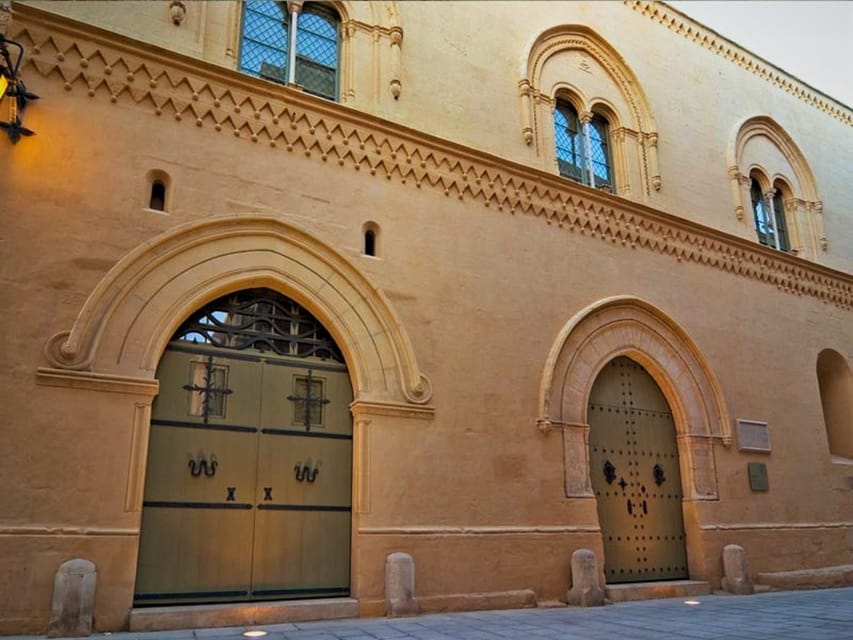
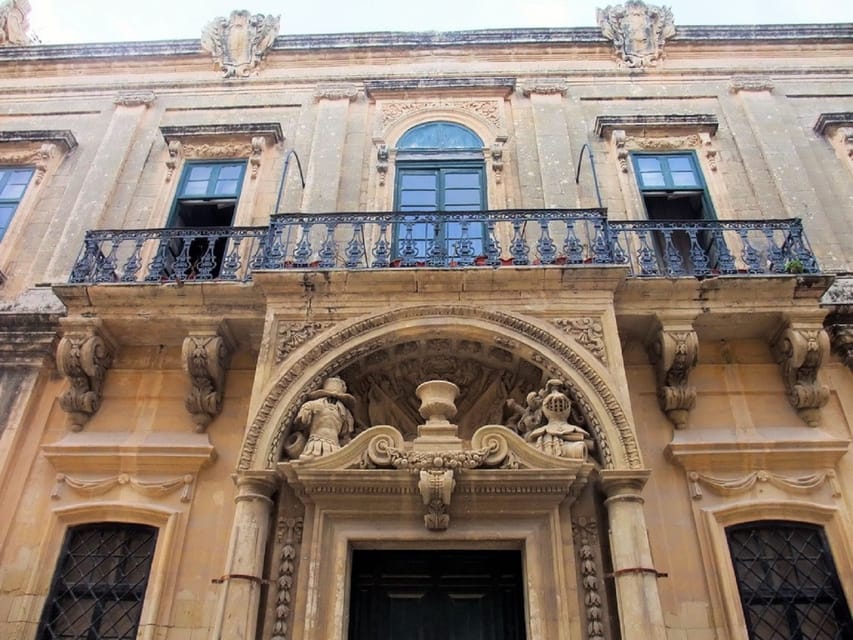
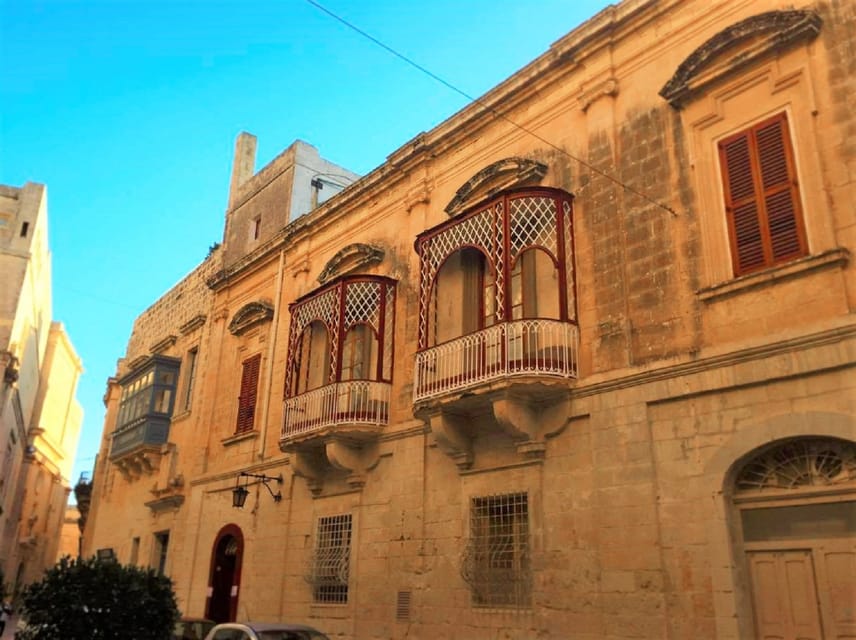
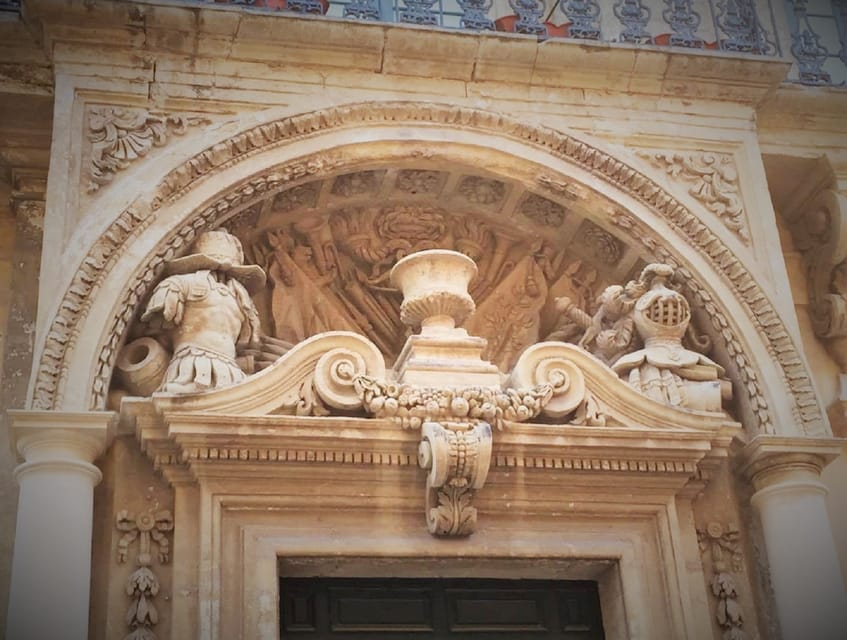
Mdina’s architecture reflects several periods rather than one clean design. Medieval streets sit beside baroque facades, and grand residences appear in a city that can feel surprisingly quiet. The walk passes Vilhena Palace, Palazzo Falson, St. Agatha’s Chapel, the Banca Giuratale, and other major sites.
Palazzo Falson is especially interesting because it helps you picture Mdina as a city of private homes and noble families, not only churches and fortifications. The tour does not treat the city as a collection of photo stops. Instead, these buildings help show how Malta’s ruling and religious life operated within a confined fortified center.
St. Agatha’s Chapel and the Banca Giuratale add different pieces to the story. One represents devotional life, while the other points to civic administration. The value of seeing them together is that you get a fuller sense of how the city worked.
The Mdina Cathedral is the grand visual centerpiece. Its baroque form reflects the rebuilding that followed the 1693 earthquake, a major event that reshaped much of the city. The cathedral is not just an attractive church on the route. It marks the period when Mdina recovered and renewed itself after disaster.
I would pay attention to the transition between medieval elements and baroque rebuilding. That change is one of the best lessons of the tour. Mdina did not remain frozen in a single age. It was altered, repaired, and given new religious and civic buildings, yet it kept its old street plan and fortified identity.
The bastion walls and Malta’s wide views
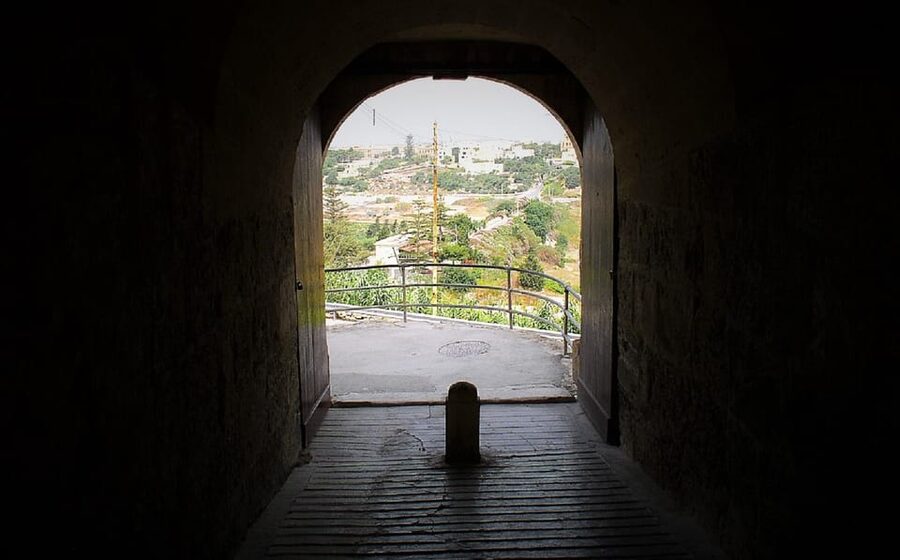
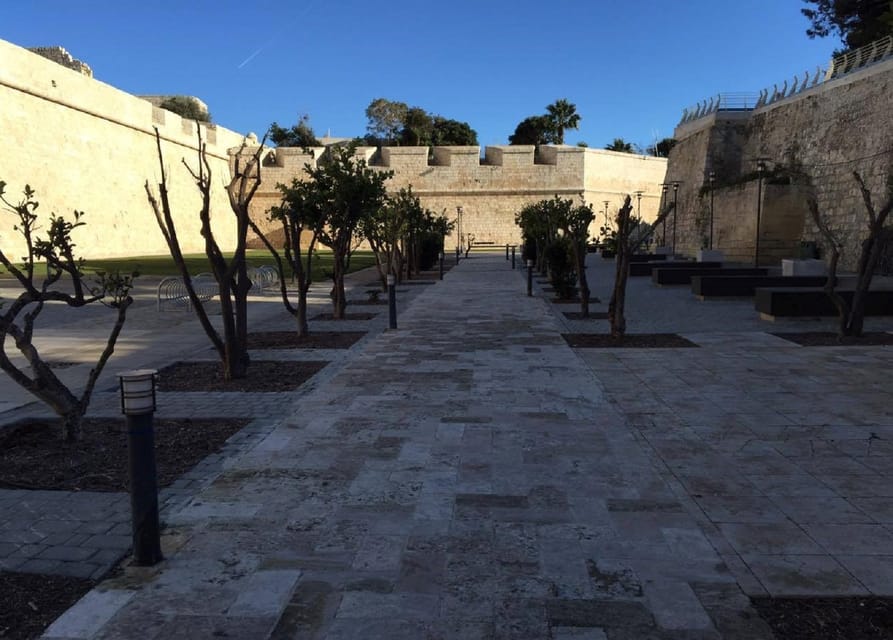
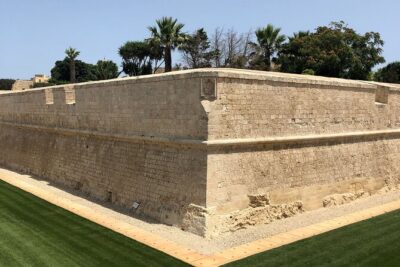
The bastion walls offer a welcome change from the narrow lanes. From up high, you can look across central Malta and understand the practical reason Mdina was built on this plateau.
The views are part scenery, part geography lesson. Your guide can connect the city’s height and defenses with its role as Malta’s former capital. After spending time among close-set stone buildings, the open outlook also gives you a chance to pause and take photographs.
Bring water, sunscreen, and a hat, especially in warmer weather. The tour information specifically recommends sun protection, comfortable clothing, and sturdy walking shoes. Even if the route feels manageable, Malta’s sun can make a short exposed section feel much longer.
The pace appears to be one of the tour’s better features. Carmel was praised for keeping the walk neither too fast nor too slow, and other guides were credited with not rushing the group. Still, this is not a leisurely café crawl. You should expect regular walking and standing throughout.
More Mdina and Rabat tours:
- Malta: Highlights of Malta & Mdina Full Day Tour with Lunch
★ 4.4 · 2,688 reviews - Malta: Mdina, Dingli Cliffs and San Anton Botanical Gardens
★ 4.3 · 991 reviews - Mdina and Rabat Insider’s Tour
★ 5.0 · 528 reviews - Valletta: Vintage Bus to Valletta, Sliema, Rabat & Mdina
★ 4.1 · 433 reviews
Crossing into Rabat for a different side of Malta
The move from Mdina into Rabat gives the tour a useful change of mood. Mdina is the fortified former capital, while Rabat brings you closer to the town’s religious and underground past.
The itinerary includes the Wignacourt Museum, where the entrance ticket covers the WWII shelters, catacombs, and St. Paul’s Grotto. This part gives the tour more range than a standard Mdina walk. Instead of stopping once you have seen the cathedral and bastions, you continue into places connected with burial, faith, and wartime survival.
Rabat is also a good place to hear how the two communities fit together. The tour does not treat Mdina and Rabat as unrelated stops. Guides explain their shared setting and different roles, helping you understand why the pair is usually visited together.
I like this balance. Mdina supplies the grand streets and architecture. Rabat supplies quieter, more physical evidence of how people lived, worshipped, buried their dead, and protected themselves during war.
Entering the catacombs and St. Paul’s Grotto
The catacombs are likely to be the most unusual part of the experience. You leave the bright stone streets and enter an underground setting connected with Malta’s early burial traditions and Christian past.
The supplied information does not promise a particular catacomb layout or a long visit inside each section, so you should think of this as a guided introduction rather than an independent archaeological study. The guide’s explanation matters here because underground spaces can look like a series of rooms and passages without context.
One useful point is that the catacombs were not described as especially frightening or intensely claustrophobic by one participant. Another person did find the lower section airless and suggested that some people prone to claustrophobia may prefer not to go all the way down.
That is fair warning. You do not need to be frightened of enclosed places to find the air uncomfortable. If you dislike underground rooms, tell the guide before descending. The route may still be worthwhile, but you should know that the catacombs are a real part of the tour, not a quick display beside the entrance.
St. Paul’s Grotto adds a religious layer to the Rabat visit. Its importance comes from Malta’s long association with St. Paul and early Christianity. The site is best appreciated with the surrounding explanation, since its meaning is tied to tradition, belief, and the development of Christian Malta.
WWII shelters and the human side of the tour

The World War II shelters bring the story into a much more recent period. Malta’s stone towns can sometimes make the past feel remote, but the shelters show how ordinary people dealt with danger in living memory.
This is where the tour becomes particularly useful for understanding Malta beyond its palaces and churches. The shelters are not simply another underground attraction. They show how the island’s residents used protected spaces during wartime and how conflict shaped daily life.
Several guides have been praised for explaining Malta’s wartime history in a clear and engaging way. One participant specifically described the war material as a highlight. If you are interested in military history, this section may be one of the strongest reasons to choose this tour rather than a Mdina-only walk.
The underground visit can feel airless, so keep your expectations practical. You are not walking into a polished museum gallery at every point. You are seeing spaces where the physical setting is part of the lesson.
How the guides shape the experience
At $29, the guide is the main thing you are paying for. The buildings and streets are free to see, but a good guide turns them into a connected story. This tour appears to do that well.
The strongest praise goes to the guides’ ability to combine facts with personality. Mario is repeatedly described as engaging and full of interesting stories. Carmel is praised for humor, warmth, and detailed explanations of history, art, culture, and trade. Matthew is credited with a steady pace and thoughtful answers. Dylan is described as funny and clear, while Allysia is praised for being fluent, courteous, and engaging.
Names and spelling may vary by departure, so you should not book solely to receive one specific guide. Still, the repeated quality of the guiding is encouraging. The group format also gives you a chance to ask questions, which is valuable in a place where dates, rulers, religious traditions, and architectural periods can become tangled.
The tour runs in English with a live guide. If you enjoy learning through conversation rather than reading plaques, this is a strong match. If you prefer to stop for long periods and explore at your own speed, the fixed route may feel restrictive.
Timing, comfort, and practical planning
The advertised duration is 2.5 hours, though some people found the experience closer to three hours. Plan for the longer end so you are not rushing to a later appointment.
An earlier departure may be the better choice. One person advised going early because Mdina can feel quite deserted later in the day. That quiet can be atmospheric, but it may also mean fewer open places nearby after the walk. An early start gives you more time to continue exploring or find lunch in Rabat and Mdina afterward.
Wear comfortable shoes. The route includes streets, standing, and underground areas, and the advice to bring water, food, sunscreen, a hat, and comfortable clothes is sensible. Food and drinks are not included, so carry water and plan your own meal.
Weather can affect the outing. One group walked through rain, and the guide adjusted the route to provide shelter during the heaviest wet periods. That is reassuring, but you should still bring suitable protection or buy a rain poncho near the meeting point if conditions are poor.
The published information calls the activity wheelchair accessible, but it also says it is not suitable for wheelchair users or people with mobility impairments. Because those statements conflict, contact the provider before booking if accessibility is important to you. The walking, underground sections, and possible steps may make the route difficult.
Is $29 a fair price?
I consider $29 good value if you want a broad introduction to Mdina and Rabat. The price includes a licensed professional guide and entrance fees to the catacombs, WWII shelters, and St. Paul’s Grotto.
That combination matters. A self-guided walk through Mdina costs less in guiding fees, but you would not receive the same explanation, and the underground admissions would still need to be arranged separately. The tour also saves you from deciding which Rabat sites fit together.
The value is strongest for first-time visitors. A guide can give you enough background to return later to the streets, cathedral, museums, or lunch spots with a better sense of place. One guide also offered suggestions for local food, sweets, and museums after the walk, which can help you use the rest of the day.
The value is weaker if you have already studied Mdina closely or want to spend most of your time photographing architecture. The itinerary is packed, and the group must keep moving. You are buying orientation, stories, and access to several major stops, not a slow private tour.
Who should book this Mdina and Rabat walk?
I would recommend it to first-time visitors who want Malta’s history explained in plain language. It also suits people who enjoy churches, old streets, fortified towns, wartime sites, and archaeology in one outing.
Families with very young children may find the amount of standing and information difficult. One family-oriented comment specifically warned that small children may not have the patience for the full route. Older children who enjoy stories and underground sites could respond differently, but the tour is not designed as a children’s activity.
You should also think carefully about heat, mobility, and enclosed spaces. Comfortable shoes are essential, and anyone sensitive to airless catacombs should speak with the guide before going below ground.
The tour has a rating of 4.8 from 1,126 reviews, with especially strong praise for the guides’ history knowledge, humor, pacing, and willingness to answer questions. That pattern matters more than one isolated compliment. It suggests the experience succeeds mainly because the guides make the places understandable.
FAQ
Where does the Mdina and Rabat walking tour meet?
Meet your guide outside the Mdina Gate, next to the playing field.
How long does the tour last?
The advertised duration is 2.5 hours. Some participants found that it lasted closer to three hours, so allow extra time if you have later plans.
What language is the tour conducted in?
The tour is conducted in English with a live guide.
Are the catacombs and other Rabat entrances included?
Yes. The price includes entrance to the catacombs, World War II shelters, and St. Paul’s Grotto at the Wignacourt Museum.
Does the tour include hotel transportation?
No. Hotel pick-up and drop-off are not included. You need to reach the Mdina Gate meeting point yourself.
What should I bring?
Bring comfortable shoes, water, sunscreen, a sun hat, food, and comfortable clothing. A rain poncho may also be useful in wet weather.
Is the tour suitable for wheelchair users?
The activity information gives conflicting accessibility details. It is marked wheelchair accessible in one section but also says it is not suitable for wheelchair users or people with mobility impairments. Contact ColourMyTravel before booking if you need step-free access.
Should you book it?
Book this tour if you want Mdina and Rabat to make sense as part of Malta’s wider story. For $29, you receive a guided route through the former capital, major architectural sights, bastion views, and three included underground attractions.
Skip it if you want a private, slow-paced walk, dislike enclosed spaces, or have mobility limits that make steps and standing difficult. For most first-time visitors who can manage a steady walking route, this is a well-priced way to meet Mdina, Rabat, and the layers of Maltese history beneath their streets.
Just added in Mdina and Rabat
- Malta: 5 hr Vintage Bus Tour – Mdina & Blue Grotto inc. food★ 5.0 · 22 reviews
- Valletta & Mdina: Private Tour★ 4.5 · 16 reviews
- Shore Excursion: Private Full-Day Tour of Valletta & Mdina★ 5.0 · 4 reviews
- Private Tour in Malta Prehistoric Temples & Mdina★ 5.0 · 4 reviews
- Private Tour in Valletta and Mdina★ 5.0 · 1 review
- Rabat Mdina and San Anton Gardens Group Tour with St. Paul’s Catacombs★ 3.5 · 16 reviews
- Valletta, Mosta and Mdina Night Tour★ 3.5 · 15 reviews
- Malta Shore Excursion: Private tour of Valletta and Mdina★ 4.5 · 8 reviews
Walking Tours in Mdina and Rabat, compared.
Mdina and Rabat Walking Tour inc. Catacombs and St. Paul’s Grotto
Read our review →
Private Historical City Walking Tour with Rabat Town
Read our review →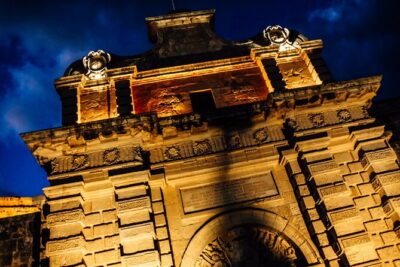

Browse the lists this tour appears in