
Review · WORKSHOPS
Malta Surf School, Beginner Surf Lessons
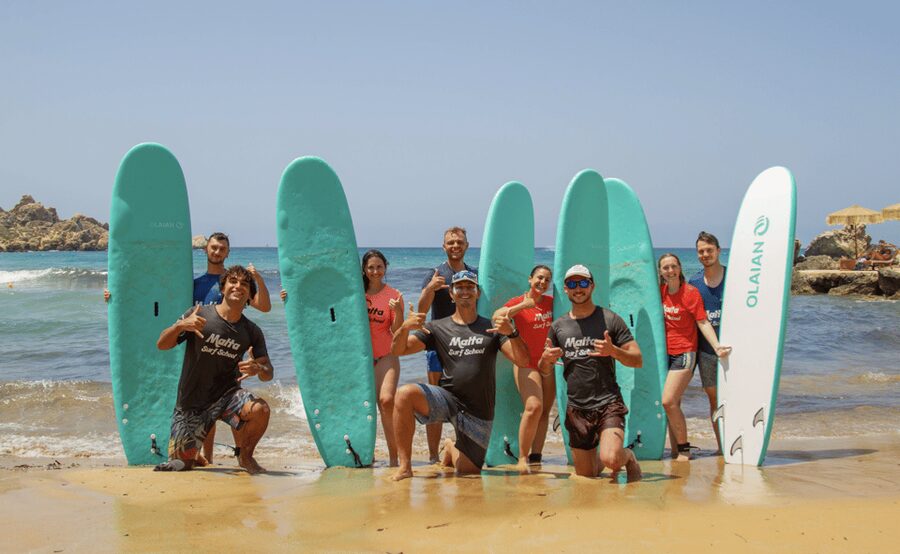
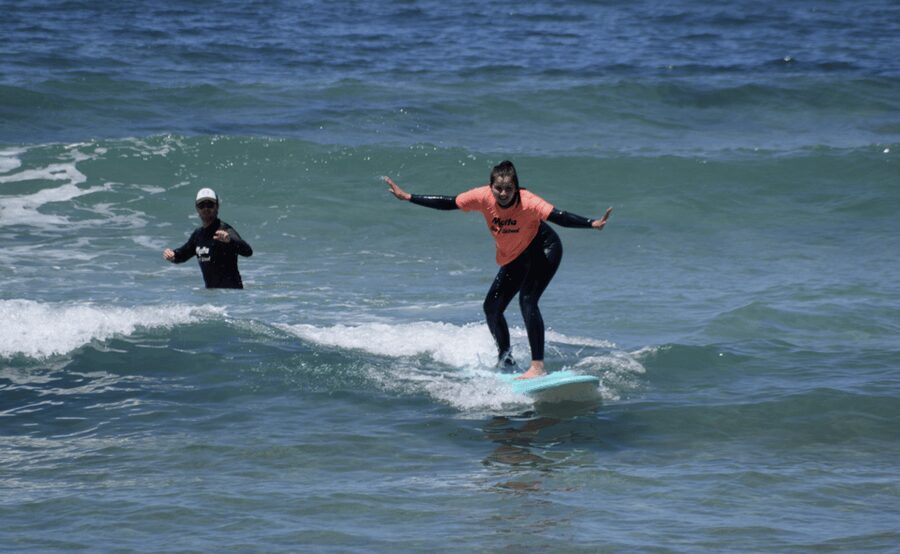
First waves can happen in Malta. This one-hour lesson makes learning to surf approachable with beach practice, chest-high water, and close help from instructors. I like the small groups of up to six and the friendly, step-by-step coaching. I also like that the surfboard and wetsuit are included, so you do not need to arrange gear before reaching the beach.
The main catch is the weather. Surfing depends on suitable waves, and Malta does not promise them on every booking date. One cancellation caused some confusion because an update was not sent promptly, although the booking was later cancelled with a full refund. Keep your plans flexible and treat the alternative activities as part of the practical safety net.
In This Review
- Key points to know before booking
- What the one-hour Malta surf lesson is really like
- Beach practice gives beginners a useful head start
- Chest-high water keeps the first session manageable
- Equipment and what to wear
- Is €60 good value for one hour?
- Weather is the main thing to watch
- Getting to the beach from Malta’s main visitor areas
- Who should book this lesson?
- Cancellation, languages, and planning tips
- Should you book Malta Surf School?
- FAQ
- How long is the beginner surf lesson?
- How many people are in each group?
- Is equipment included?
- Where is the meeting point?
- What should I bring?
- What should I wear?
- Do I need to arrive early?
- What happens if there are no waves?
- Is the lesson suitable for everyone?
Key points to know before booking
- One hour from sand practice to real waves: You learn the take-off on the beach, then paddle and catch waves in chest-high water.
- Small class, maximum six people: The format gives instructors time to correct your stance and help you catch waves.
- Equipment is included: The €60 price includes a surfboard and wetsuit. The experience is listed at about $71 per person.
- Meet by the blue flag near Singita kiosk: The school is at the end of the steps on the beach, beside the kiosk.
- Weather controls the day: If there are no suitable waves, alternatives may include stand-up paddleboarding, wakeboarding, or a boat tour.
- Best for confident swimmers aged 16 and older: The lesson is not suitable for non-swimmers, pregnant women, people with mobility impairments, or children under 16.
What the one-hour Malta surf lesson is really like
This is a first lesson, not a long surf camp. In 60 minutes, the school aims to give you a clear introduction to the board, the water, and the basic movement needed to stand up. That makes it a good choice if you want to try surfing without giving up half a day of sightseeing.
You should arrive 15 minutes early. That extra time matters because you need to check in, get changed, and attend the first briefing. Arriving at the official start time would leave you rushing into the water, which is not the best way to begin a sport that depends on balance and calm instructions.
The meeting point is easy to identify once you reach the beach. Walk to the end of the steps near the Singita kiosk and look for the school’s blue flag. The location is practical rather than grand, but the clear marker should help you avoid wandering along the shore looking for a reception desk.
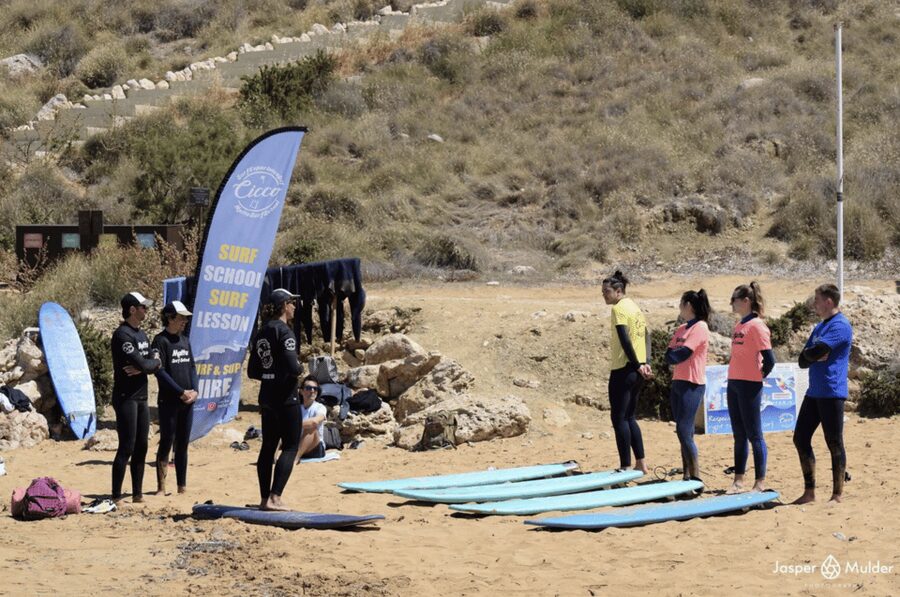
Your lesson begins on land. The instructor explains the surfboard and the conditions at the surf spot, then shows you how to position yourself and perform the take-off. You practice standing on the board while still on the sand, which may feel basic, but it is useful. The first attempt to stand on a moving board is much easier when your feet and hands already know the sequence.
The lesson then moves into chest-high water. The instructors guide you as you paddle, choose a wave, and try to catch it. The supplied information does not promise a certain number of rides or a particular type of board, so keep your expectations sensible. Your main result is a foundation in surfing, with the possibility of riding several small waves if conditions and timing cooperate.
The water section is where the small group becomes valuable. With no more than six participants, the instructors can watch your attempts and offer direct corrections. A large class can leave beginners waiting and guessing what went wrong. Here, the stated goal is not just to put you in the sea, but to help you paddle, catch waves, and stay safe while doing so.
Other trips worth a look in Mgarr:
- Malta: Comino, Gozo, Blue & Crystal Lagoon, and Caves Cruise
★ 4.7 · 1,408 reviews - Malta: Blue Lagoon, Comino, Gozo & Crystal Lagoon Sea Caves
★ 4.7 · 453 reviews - Cirkewwa/Mgarr: Blue and Crystal Lagoon Private Boat Charter
★ 4.8 · 65 reviews
Beach practice gives beginners a useful head start
The sand briefing covers more than a quick safety speech. You learn about the surfboard, the surf spot, and the correct way to rise from lying down to standing. That preparation gives the hour a sensible order: understand the equipment, rehearse the movement, then try it in water.
I especially like this approach for people who have never surfed. Beginners often focus so hard on standing that they forget where to place their hands or feet. Practicing first on the beach lets you concentrate on the sequence without waves moving the board underneath you.
The exact teaching style will depend on your instructor, but the school offers English, Italian, and Spanish instruction. That language choice can make a real difference when you are learning safety points and body movements. A friendly tone also helps. The supplied feedback praises the instructors for being clear, helpful, and willing to spend time assisting each person.
One instructor named in the feedback is Valerio. He was praised for following students step by step and explaining the basic surfing movements clearly. The same account described two first-time surfers catching waves several times, which gives you a useful sense of what may be possible in good conditions. It is not a promise, but it shows that the lesson can produce more than a dry-land demonstration.
Chest-high water keeps the first session manageable
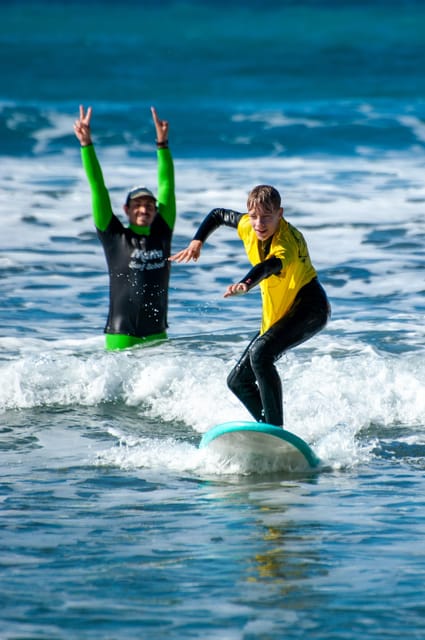
The school takes beginners into chest-high water rather than sending them straight into difficult conditions. That depth is intended to let you work on paddling and wave-catching while remaining within the supervised lesson area.
Still, chest-high water is not shallow water for everyone. You need to be comfortable in the sea and able to swim. Non-swimmers are specifically excluded, so do not book this as a way to learn swimming and surfing at the same time.
The instructors remain with the group and offer safety guidance and tips for catching waves. Helpers may also assist participants, giving advice or a hand when needed. One especially positive account praised the instructor’s clear, friendly teaching and the helpers’ willingness to step in.
You should expect some waiting between attempts. Waves do not arrive on command, and six people may take turns receiving help. That is normal for a group lesson, not a flaw. The maximum group size keeps the wait more reasonable than it would be in a big class, but the total one-hour period still passes quickly.
The experience is built around fun as much as technique. You will laugh, try to balance, and probably fall at least once. That relaxed setting is useful because beginners improve faster when they are willing to make mistakes instead of treating every attempt like a test.
Equipment and what to wear
The €60 price includes the surfboard and wetsuit. The booking information also lists the experience at about $71 per person, so check the final currency and amount at the time you reserve. Since the equipment is provided, you do not need to rent a board separately or carry one to the beach.
For a winter session, wear a swimsuit or board shorts under the wetsuit. In summer, the instructions refer to wearing swimwear under the school’s branded T-shirt. Bring sunscreen, water, a towel, and a change of clothes.
A towel and dry clothes are practical necessities after an hour in the sea. Sunscreen matters too, even when the air feels mild. Bring water because the physical work of paddling and repeatedly getting back on the board can leave you thirsty.
Alcohol and drugs are not allowed. This is both a stated rule and a sensible one for any activity involving boards, waves, and group safety.
A completely different kind of day:
- Comino Blue Lagoon: Private Boat Charter (2 Hours)
★ 4.6 · 27 reviews - Prehistoric Temples and Highlights of the South Full-Day Tour
★ 4.0 · 26 reviews - Mgarr/Cirkewwa: Comino, Gozo & Blue Lagoon Private Boat Trip
★ 4.9 · 18 reviews - Fisher’s Trek: Cominotto Island, Prime Fishing Spots & Gozo
★ 5.0 · 6 reviews
Is €60 good value for one hour?
At €60 per person, the lesson is not a budget beach activity. You are paying for instruction, a small group, board use, a wetsuit, and supervision rather than simply borrowing equipment and trying to figure things out alone.
The price looks better if you value personal help. A first attempt often goes badly because the beginner does not know how to position the body or when to paddle. Having an instructor watch those details can save time and reduce frustration.
The short duration is both a benefit and a limitation. One hour fits neatly into a Malta sightseeing day, especially if you are staying around Sliema, St. Julian’s, Valletta, or Bugibba. It also means you should not expect mastery. This is a taste of surfing and a chance to learn the basic motions, not a complete course.
The best value comes when the sea provides workable waves. If there are no waves, the school may offer stand-up paddleboarding, wakeboarding, or a boat tour instead. That gives you a backup, but it changes the activity you originally chose. Check the weather close to your date and avoid making surfing the only fixed plan of the day.
Weather is the main thing to watch
All Malta Surf School activities depend on weather and sea conditions. Surfing requires waves, and the school may not run the lesson if the conditions are unsuitable.
This policy protects you from being sent into poor conditions, but it can make planning awkward. One booking experience involved uncertainty about whether the class would run, followed by a cancellation and full refund. The customer service was considered good after the issue was recognised, but the lack of an early update was a clear inconvenience.
My practical advice is simple: keep the day flexible. Do not schedule a non-refundable dinner, airport transfer, or major excursion immediately after the surf lesson. Check your messages and contact the school if the forecast looks doubtful and you have not received a clear update.
If the surf is cancelled, alternatives may include stand-up paddleboarding, wakeboarding, or a boat tour. These options help protect the value of your time, but they are not identical substitutes. If your heart is set on standing on a surfboard and catching a wave, you may prefer to book early in your Malta stay, leaving room to reschedule if needed.
Getting to the beach from Malta’s main visitor areas
The school is accessible by bus from several common bases:
- From Sliema or St. Julian’s, take bus 225.
- From Valletta, take bus 44.
- From Bugibba or St. Paul’s Bay, take bus 223.
Bus fares and travel times are not included in the activity price, and no exact journey length is provided. Allow extra time for the ride and the final walk to the beach. You need to arrive 15 minutes before the lesson, so do not plan to step off the bus at the exact start time.
Once at the beach, look for the Singita kiosk and the blue flag at the end of the steps. That landmark is more useful than relying on a street address, since the actual meeting point is on the beach.
Who should book this lesson?
This lesson suits a first-time surfer who can swim, feels reasonably comfortable in the sea, and wants friendly instruction without committing to a longer program. The small group is particularly helpful if you want direct advice instead of a quick safety talk followed by an instructor disappearing into the crowd.
It also works for couples and friends. The feedback from one couple described catching waves during their first session, while other comments praised the friendly teaching and hands-on help. You can expect an active hour with plenty of attempts, though your results will depend on the sea and your balance.
The activity is not suitable for children under 16, pregnant women, non-swimmers, or people with mobility impairments. If any of those conditions apply, ask the provider about a different option before booking rather than assuming the backup activities will be appropriate.
Experienced surfers may find the lesson too basic. The focus is paddling, the take-off, standing, and catching beginner-friendly waves. It is designed to get you started, not refine advanced turns or surf technique.
Cancellation, languages, and planning tips
You can cancel up to 24 hours before the activity for a full refund. You can also reserve now and pay later, which helps if your Malta schedule depends on the weather.
Instruction is available in English, Italian, and Spanish. That is worth checking when you book if language support matters to you.
Plan to arrive 15 minutes early with swimwear already under your clothes. Bring sunscreen, water, a towel, and dry clothes. Most important, leave room in your schedule for weather changes and possible activity substitutions.
Should you book Malta Surf School?
Book it if you want a short, friendly introduction to surfing and you are comfortable accepting that the sea controls the final result. The small groups, included equipment, and step-by-step instruction give the €60 price reasonable value, especially for a first attempt.
I would book early in your Malta stay rather than on your final day. That gives you a better chance to move the lesson if waves fail, and it prevents a weather cancellation from wiping out your only chance to surf.
If you need a guaranteed activity at a fixed time, this may frustrate you. If you can stay flexible, swim confidently, and enjoy a few laughs while learning the basics, Malta Surf School offers a practical way to try surfing along Malta’s coast.
FAQ
How long is the beginner surf lesson?
The lesson lasts one hour, or 60 minutes.
How many people are in each group?
The group is limited to a maximum of six participants.
Is equipment included?
Yes. The €60 per person lesson includes a surfboard and wetsuit.
Where is the meeting point?
Meet at the end of the steps on the beach beside the Singita kiosk. Look for the school’s blue flag.
What should I bring?
Bring sunscreen, water, swimwear, a towel, and a change of clothes.
What should I wear?
In winter, wear a swimsuit or board shorts under the wetsuit. In summer, wear swimwear under the school’s branded T-shirt.
Do I need to arrive early?
Yes. Arrive 15 minutes before the lesson for the initial briefing and time to get changed.
What happens if there are no waves?
The activity is weather-dependent. If there are no suitable waves, the school may offer stand-up paddleboarding, wakeboarding, or a boat tour instead.
Is the lesson suitable for everyone?
No. It is not suitable for non-swimmers, pregnant women, people with mobility impairments, or children under 16.
Just added in Mgarr
- Entry Ticket for The Limestone Heritage Park and Gardens★ 5.0 · 1 review
- Half Day Tour in Marsaxlokk Village, Market, Blue Grotto & Qrendi★ 4.5 · 3 reviews
- Prehistoric Temples and Highlights of the South Full-Day Tour★ 4.0 · 26 reviews
- Buskett Woodlands and Dingli Cliffs Nature Walking Private Tour★ 5.0 · 2 reviews
- Malta: Good Friday Afternoon Procession Including Transport★ 5.0 · 2 reviews
- Sunday: Ghajn Tuffieha (Riviera) Beach Yoga Class★ 5.0 · 3 reviews
- Party Prowl: Crystal Lagoon, Gozo, Santa Maria Caves, Malta★ 4.6 · 4 reviews
- Photo Shoots Adventure – Trips in Lovers Cave, Gozo & Comino★ 5.0 · 3 reviews
Workshops, compared.
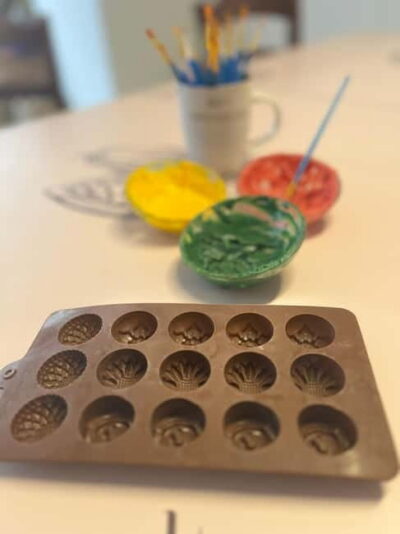




Maltese Tile – Souvenir painting workshop with local
Read our review →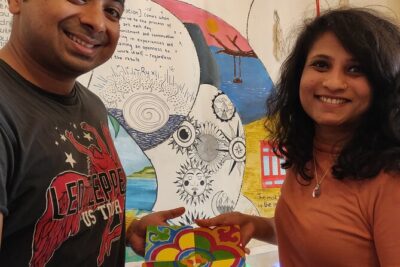
Workshop: Maltese Souvenir Tile Design Experience
Read our review →
Browse the lists this tour appears in