
Review · WALKING TOURS IN MDINA AND RABAT
Mdina and Rabat Private Walking Tour with local pastizzi
Mdina keeps its secrets behind stone walls. This private walk pairs Malta’s Silent City with the older streets of Rabat, giving you a clear introduction to both places without rushing from one sight to the next. I like the personal format, and I like that the tour ends with a local pastizzi rather than another generic café stop. The main consideration is cost: at $324 for up to four people, it works best for a small group that values a private guide.
The route covers Mdina’s main squares, palaces, gates, and bastion views before continuing into Rabat. I also appreciate the choice of languages, with tours offered in English, French, German, Italian, and Spanish. Your meeting time is confirmed by email, though it can change with guide availability, so keep your plans flexible.
In This Review
- Key points at a glance
- Starting at Mdina’s Main Gate
- Palazzo De Vilhena and Mdina’s grand facades
- Main Street and Cathedral Square
- Bastions with views across Malta
- Mesquita Square, Greeks Gate, and the quieter lanes
- Crossing into Rabat and Saint Paul’s Square
- Optional museums, catacombs, and Saint Paul’s Grotto
- What the private format adds
- Timing, meeting details, and practical planning
- Who will enjoy this Mdina and Rabat walk?
- Should you book it?
- FAQ
- How long does the Mdina and Rabat tour last?
- What is the tour price?
- Where does the tour begin?
- Does the tour include transport?
- Is pastizzi included?
- Which languages are available?
- Are entrance fees included?
Key points at a glance
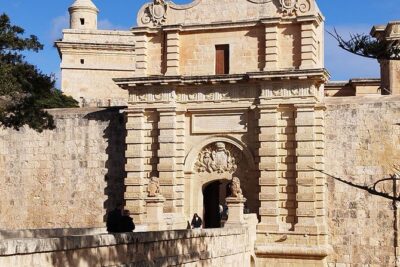
- Mdina’s Main Gate sets the scene: Meet your guide along the bridge, then begin with the city’s long story before entering the Silent City.
- The route covers the big Mdina sights: Expect Palazzo De Vilhena, Xara Palace, Council’s Square, Cathedral Square, Mesquita Square, Greeks Gate, and the main street.
- Bastion views are a major payoff: The high walls offer wide views across roughly two thirds of Malta.
- Rabat adds a more local street feel: The tour moves beyond Mdina’s formal palaces into Rabat’s typical streets and squares.
- Pastizzi makes a fine finish: You stop at a local coffee shop to try Malta’s best-known savory snack.
- Optional sites can expand the walk: The Wignacourt Museum, Roman catacombs, and Saint Paul’s Grotto may be added if you want more time indoors.
Starting at Mdina’s Main Gate

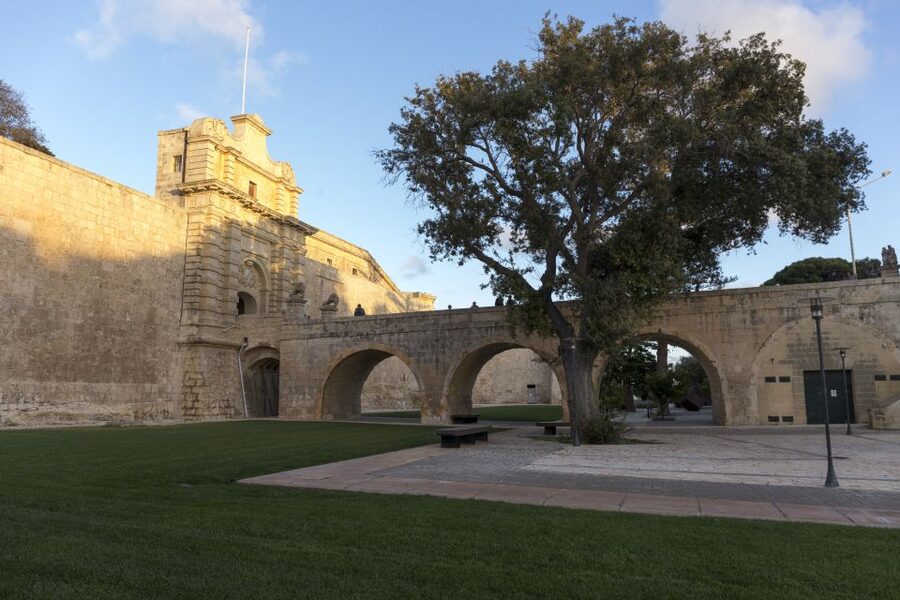
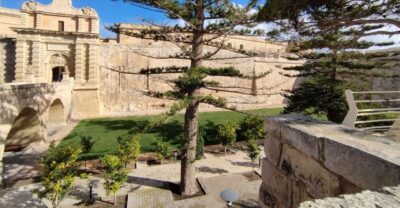
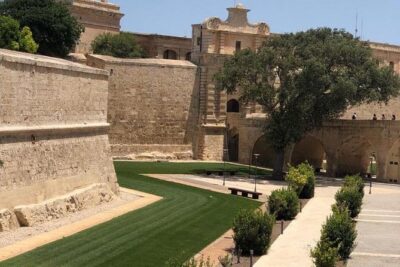
Your meeting point is along the bridge at Mdina’s Main Gate. This is a sensible place to begin because the approach lets you see the city as it was meant to be seen, a fortified town set apart from the modern streets around it.
The guide starts with a short introduction to Mdina’s past. That opening matters. Without it, the stone facades and narrow lanes can blur into one attractive old-town stroll. With a guide, you get a framework for understanding why the city has such a quiet character and why its buildings are arranged as they are.
Mdina is known as Malta’s Silent City, and the name helps set expectations. This is not a fast, crowded sightseeing circuit built around constant commentary. The experience is centered on walking, looking up at old buildings, and pausing at squares and viewpoints.
I would arrive ready for a relaxed pace, but not a completely effortless one. The tour lasts 2.5 hours and is conducted on foot, so comfortable shoes are a practical choice. The tour is wheelchair accessible, which makes it more useful for visitors who need an accessible route, though the exact path and any optional indoor visits should be confirmed with the guide ahead of time.
More Walking Tours in Mdina and Rabat
- Malta: Mdina and Rabat Walking Tour with Catacombs
★ 4.8 · 1,126 reviews - Mdina and Rabat: Guided City Walking Tour
★ 4.8 · 549 reviews - Mdina and Rabat Walking Tour inc. Catacombs and St. Paul’s Grotto
★ 5.0 · 341 reviews
Palazzo De Vilhena and Mdina’s grand facades

One of the first major buildings on the route is Palazzo De Vilhena. The palace helps show the formal side of Mdina, where large residences and civic buildings give the narrow streets a sense of importance.
A guide is especially useful here because you are not simply looking at an old facade. You can ask about the building’s role, its design, and how it fits into Mdina’s wider story. The tour is private, so you can ask for more explanation when a detail catches your eye instead of waiting for a group to move on.
The walk continues past Xara Palace and Council’s Square. These stops bring together two sides of the city: grand architecture and public space. Council’s Square is a useful place to pause and take in how the surrounding buildings frame the street.
I like this part of the itinerary because it gives Mdina shape. You are not only seeing isolated sights. You are following a route through the old center, where palaces, squares, and lanes connect into one fortified town.
Main Street and Cathedral Square
Mdina’s main street provides a straightforward way to read the city. It links several of the best-known sights, and the guide points out the buildings that line this central route.
Cathedral Square is another key stop. The square gives you room to appreciate Mdina’s formal public face after the tighter lanes. The cathedral itself may be viewed from outside as part of the walk, but entrance fees are not included. If you want to go inside a church or museum, you should plan for an additional charge.
That detail is worth keeping in mind when you compare the tour price. The guide fee and pastizzi are included, but not paid admissions. The tour is designed mainly as an outdoor walking experience, which suits you if you want history, streets, and views rather than a long series of interior visits.
The guide can also help you decide how much time to give each sight. On a self-guided walk, it is easy to spend too long taking photos at the first square and then hurry through the rest. A private guide gives the route a natural rhythm.
Bastions with views across Malta
The bastions are among the strongest parts of the walk. From these elevated walls, you get a broad view across about two thirds of the island.
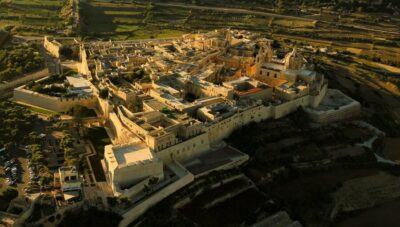
This is where Mdina’s position becomes clear. The city is not only an attractive cluster of old streets. Its walls and height explain its defensive importance. Looking outward from the bastions also gives you a useful sense of Malta beyond the old center.
I would give this stop time for photographs, but I would also listen closely to the guide’s explanation. A wide view can be impressive without being very informative. The value here comes from connecting the view to Mdina’s position, walls, and past.
The tour description does not promise a specific length of time at the bastions, so the exact pause may depend on your interests and the pace of the day. Since the group is private, you can ask to linger if the view is a priority.
More Mdina and Rabat tours:
- Malta: Highlights of Malta & Mdina Full Day Tour with Lunch
★ 4.4 · 2,688 reviews - Malta: Mdina, Dingli Cliffs and San Anton Botanical Gardens
★ 4.3 · 991 reviews - Mdina and Rabat Insider’s Tour
★ 5.0 · 528 reviews - Valletta: Vintage Bus to Valletta, Sliema, Rabat & Mdina
★ 4.1 · 433 reviews
Mesquita Square, Greeks Gate, and the quieter lanes
The route continues through Mesquita Square and toward Greeks Gate. These stops take you away from the best-known postcard angles and into the details of Mdina’s street plan.
Mesquita Square offers another chance to see how small public spaces work within the walled city. Greeks Gate adds one more important point in the fortifications. The guide’s role here is not just to name the gate, but to explain why it matters within the city’s layout.
I like that the itinerary includes these less obvious points. A short visit that only covers the main square and cathedral can leave you with a pleasant but thin impression of Mdina. This route gives you a fuller walk through the city’s core.
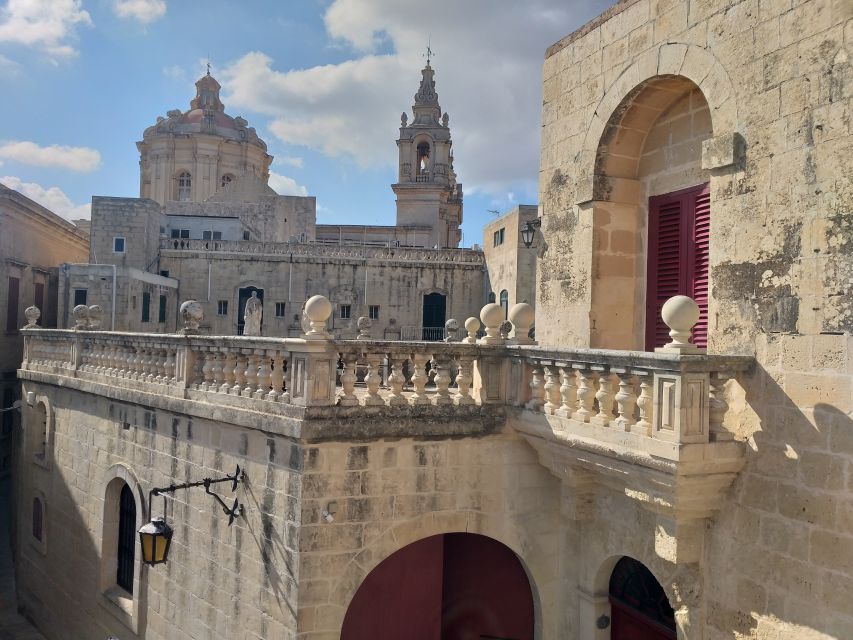
The narrow streets also reward a slower pace. Look at doorways, balconies, stonework, and the way the buildings close in around the road. The tour does not promise a special photo stop or a private entrance, so the appeal is in the setting and the stories attached to it.
Crossing into Rabat and Saint Paul’s Square
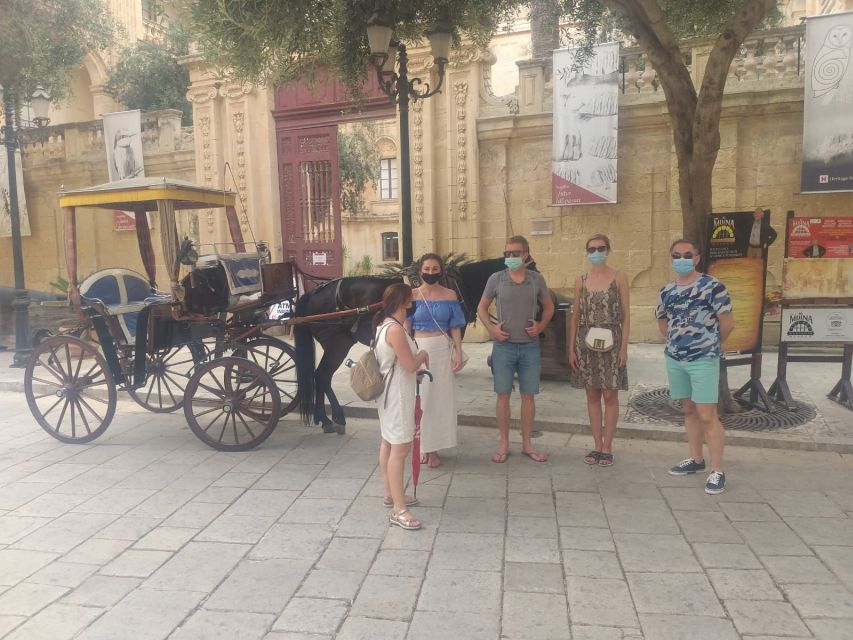
After Mdina, the walk continues into Rabat. The change is useful. Mdina gives you fortified streets and formal palaces, while Rabat brings a more ordinary town setting with its own old lanes and squares.
The route includes a typical Rabat street and the Square of the Conversion of Saint Paul. This makes the experience feel broader than a single-city tour. You get to compare the polished, enclosed character of Mdina with Rabat’s more lived-in town atmosphere.
Rabat is also where the tour becomes more food-focused. Before reaching the core of the town, you stop at a local coffee shop for pastizzi, Malta’s familiar traditional snack.
Pastizzi are a simple pleasure, but they matter on a walking tour. A small local food stop gives you a taste of everyday Malta and breaks up the architecture and history. It also keeps the tour from feeling like a lecture delivered while marching from one monument to another.
The information provided does not specify the pastizzi filling or the exact coffee shop. You should treat it as a local snack stop, not a full meal. If you need lunch, plan another meal before or after the tour.
Optional museums, catacombs, and Saint Paul’s Grotto
If you want more than an outdoor walk, the guide may include a visit to the Wignacourt Museum, Roman catacombs, and Saint Paul’s Grotto.
These additions can change the character of the experience. The basic route is a street-and-view walking tour. Adding indoor or underground sites gives you more context, but it also means you should allow time for entrance visits and possible extra fees.
No entrance fees are included in the tour price. Ask before the day begins which additions are possible, how much time they require, and what you will pay at each site.
I would choose the optional stops based on your interests. The main walk is enough for a first look at Mdina and Rabat. If you already enjoy archaeology, religious sites, or underground history, the catacombs and Saint Paul’s Grotto may make the tour more worthwhile. If you prefer open-air sightseeing, keep the focus on the streets, squares, and bastions.
What the private format adds
The price is $324 for a group of up to four people. Split four ways, that comes to $81 per person. For two people, the cost is $162 each, so the value depends heavily on group size and how much you want personal attention.
A private group gives you several practical benefits. You can ask questions freely, adjust the pace, and request more detail at places that interest you. You are also not tied to the needs of a large mixed group.
The tour is led by a fully licensed guide, and the available languages are English, French, German, Italian, and Spanish. Past feedback has praised the guides for being well organized, attentive, and clear. One guide named Angéle received especially warm praise for punctuality and careful organization, while another guide was described as engaging and responsive to questions.
Those comments point to the tour’s main strength: the guide. Mdina is easy enough to wander through on your own, but a good explanation can make the old buildings feel connected rather than decorative. The private format gives that explanation room to breathe.
The drawback is that you are paying a premium for that attention. If you are comfortable reading signs and following a map, a self-guided walk will cost much less. This tour makes better financial sense for a family or group of four, especially if you want a guide in a particular language.
Timing, meeting details, and practical planning
The stated duration is 2.5 hours. That is long enough to cover both Mdina and Rabat at a comfortable sightseeing pace, but not long enough to guarantee a detailed visit inside every optional site.
Your guide waits along the bridge at Mdina’s Main Gate. The meeting time is confirmed by email and may change based on guide availability. Check that message before setting up transport or booking another activity close to the tour.
Transport is not included. You need to arrange your own way to Mdina and away from Rabat after the walk. Since the tour ends in Rabat, do not assume you will finish at the original meeting point.
The tour offers free cancellation up to 24 hours in advance, with a full refund, and you can reserve now and pay later. Those terms are helpful if your Malta schedule is still shifting. They do not remove the need to check the confirmed meeting time.
The route is wheelchair accessible, and the tour is private. If you need a specific route adjustment or plan to add a church, museum, or catacombs, discuss that before booking so the guide can set realistic expectations.
Who will enjoy this Mdina and Rabat walk?
I would recommend this tour to first-time visitors who want a clear introduction to Mdina without rushing. It also suits families, couples, and small groups who prefer asking questions as they go.
It is a good choice if you care about architecture, old city planning, fortified walls, and local food. The combination of Mdina’s palaces and bastions with Rabat’s streets makes the outing more varied than a short city-center circuit.
You should think twice if you dislike walking or want a full day of museum visits. The core experience is outdoors, and the price is high for one or two people. You also need to budget for any entrance fees and your own transport.
The tour is particularly appealing if you need a French, German, Italian, or Spanish guide. Having the explanation in a language you understand well can make a major difference when the subject is architectural detail and centuries of history.
Should you book it?
Book this Mdina and Rabat walk if you are a group of up to four and want a personal, well-organized introduction to Malta’s old center. The bastion views, full Mdina route, Rabat extension, and pastizzi stop give you a satisfying 2.5-hour visit.
For a couple, the price is harder to justify unless you value private guiding or need a particular language. If you mainly want to see the streets and take photographs, you can explore on your own for less.
For most small groups, I like the balance of major sights and local detail. Just confirm the meeting time, remember that the tour ends in Rabat, and ask in advance about extra admissions if you want the museum, catacombs, or Saint Paul’s Grotto.
FAQ
How long does the Mdina and Rabat tour last?
The walking tour lasts 2.5 hours.
What is the tour price?
The price is $324 for a private group of up to four people.
Where does the tour begin?
You meet the guide along the bridge at the Main Gate of Mdina.
Does the tour include transport?
No. Transport is not included, so you need to arrange your own way to the meeting point and from the end of the tour in Rabat.
Is pastizzi included?
Yes. A local pastizzi snack is included at a coffee shop in Rabat.
Which languages are available?
The tour is available in English, French, German, Italian, and Spanish.
Are entrance fees included?
No. Entrance fees for churches, museums, or optional sites are not included. The Wignacourt Museum, Roman catacombs, and Saint Paul’s Grotto may be added to the tour if arranged.
Just added in Mdina and Rabat
- Malta: 5 hr Vintage Bus Tour – Mdina & Blue Grotto inc. food★ 5.0 · 22 reviews
- Valletta & Mdina: Private Tour★ 4.5 · 16 reviews
- Shore Excursion: Private Full-Day Tour of Valletta & Mdina★ 5.0 · 4 reviews
- Private Tour in Malta Prehistoric Temples & Mdina★ 5.0 · 4 reviews
- Private Tour in Valletta and Mdina★ 5.0 · 1 review
- Rabat Mdina and San Anton Gardens Group Tour with St. Paul’s Catacombs★ 3.5 · 16 reviews
- Valletta, Mosta and Mdina Night Tour★ 3.5 · 15 reviews
- Malta Shore Excursion: Private tour of Valletta and Mdina★ 4.5 · 8 reviews
Walking Tours in Mdina and Rabat, compared.
Mdina and Rabat Walking Tour inc. Catacombs and St. Paul’s Grotto
Read our review →
Private Historical City Walking Tour with Rabat Town
Read our review →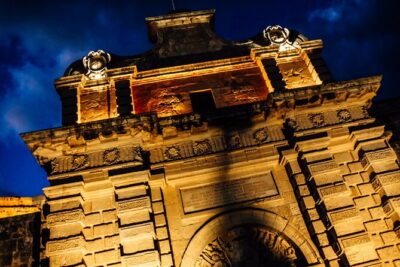

Browse the lists this tour appears in