
Review · MDINA AND RABAT TOURS
Mdina: The Mdina Experience Audio-Visual Show (Open Ticket)
Mdina’s story fits neatly into half an hour. The Mdina Experience turns the Silent City’s long past into a 30-minute audio-visual show, using panoramic projections and surround sound to cover 7,000 years of change. I like the clear mix of education and entertainment, and I like the flexible open ticket, which lets you choose a show time during your visit. The main consideration is that this is a theatre presentation, not a guided walk through Mdina itself.
The show also earns points for its 12-language audio commentary, including Maltese, Japanese, Greek, and Turkish alongside the more expected European languages. I appreciate that the ticket costs only $7, making it an easy addition to a day in Mdina. Still, visitors with hearing loss should know that the experience is not considered suitable for hearing-impaired people.
In This Review
- Key points to know before you go
- Why Mdina’s past works well in a short show
- Arriving at the Mdina Experience theatre
- The 30-minute presentation and its visual style
- From the mother goddess to the shipwreck of St. Paul
- The earthquake, destruction, and rebuilding of Mdina
- What you can do after the screening
- Is $7 good value?
- Who will enjoy this experience most?
- Booking, timing, and cancellation advice
- Should you book the Mdina Experience?
- FAQ
- How long does the Mdina Experience show last?
- How much does admission cost?
- Is the ticket valid on one specific date?
- How often are shows scheduled?
- Is the Mdina Experience open every day?
- Which languages are available for the audio commentary?
- Is a live tour guide included?
- Are food and drinks included?
- Can I enter the theatre more than once with one ticket?
Key points to know before you go

- A 30-minute trip through 7,000 years: The show covers Mdina from the cult of the mother goddess to the rebuilding that followed a devastating earthquake.
- Flexible open entry: Use the ticket on any day during the theatre’s opening hours and available show times.
- Hourly screenings: Shows run every hour from 11:00 a.m. through the 5:00 p.m. final screening.
- Twelve audio languages: Choose from English, German, French, Dutch, Spanish, Italian, Russian, Turkish, Greek, Swedish, Japanese, and Maltese.
- Modern theatre technology: High-resolution projection, a large screen, and headset-based surround sound create a polished presentation.
- A tavern stop afterward: Food and drinks are available at the medieval tavern, but they cost extra.
Why Mdina’s past works well in a short show
Mdina is not just an old walled town with handsome streets. It was Malta’s former capital, and its story reaches back thousands of years. A walking visit can show you stone walls, narrow lanes, and grand buildings, but it cannot always explain how the city changed across such a long span of time.
That is where this presentation helps. You get a chronological account rather than a handful of disconnected facts. The show covers triumphs and disasters, religious beliefs, major events, and reconstruction. For a first visit, that wider frame can make the city’s streets easier to understand afterward.
I especially like the choice to include both ordinary historical development and dramatic turning points. The cult of the mother goddess gives the story an early, almost mysterious beginning. The shipwreck of St. Paul brings in one of Malta’s most important Christian traditions. The earthquake and rebuilding show that Mdina is not a frozen relic. It has been damaged, altered, and reshaped.
The 30-minute length is part of the attraction. You get enough background to make the city more meaningful without giving up most of your day. If you are visiting Mdina with children, older relatives, or anyone who prefers a seated activity, this format may be easier than starting with a long walk.
At the same time, you should keep your expectations in check. This is a presentation about Mdina, not an archaeological excavation, museum collection, or live historical performance. The value comes from the combination of images, sound, and storytelling.
More Mdina and Rabat tours:
- Malta: Highlights of Malta & Mdina Full Day Tour with Lunch
★ 4.4 · 2,688 reviews - Malta: Mdina and Rabat Walking Tour with Catacombs
★ 4.8 · 1,126 reviews - Malta: Mdina, Dingli Cliffs and San Anton Botanical Gardens
★ 4.3 · 991 reviews
Arriving at the Mdina Experience theatre
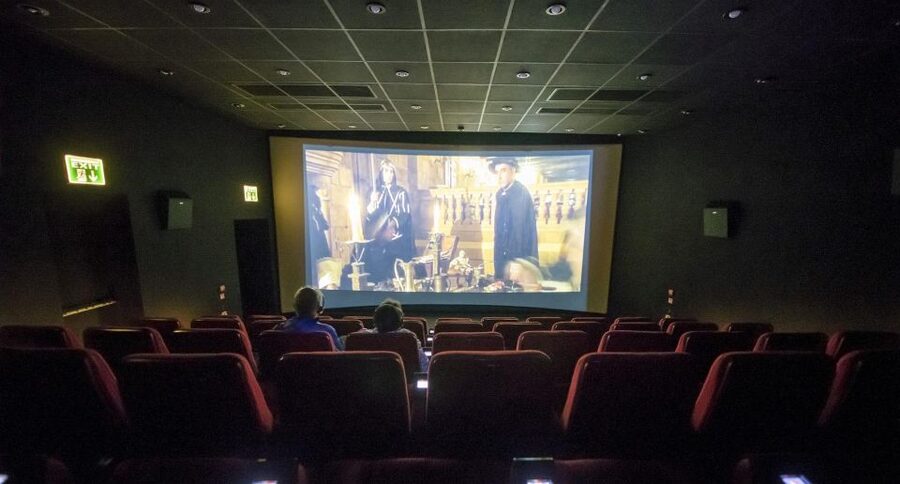
Your visit begins at the front door of the Mdina Experience. After entering, check in at the theatre’s reception area. The open-ticket setup gives you useful freedom, since you do not have to commit to one fixed day in advance.
The theatre is open every day of the week throughout the year, except Christmas Day, December 25. Shows are scheduled hourly from 11:00 a.m. until 5:00 p.m., with the 5:00 p.m. screening listed as the last one.
That schedule makes it easy to fit the show around a wider Mdina visit. You might watch before exploring the city, using the presentation as an introduction. Or you might walk through Mdina first, then return to the theatre once you have seen the streets and walls for yourself.
Because the ticket is open, you can use it on any day within the theatre’s opening hours and available time slots. This is helpful if your Malta plans change. The ticket allows one entry only, however, and there is no re-entry. Check in with enough time to handle the reception process and find your seat before the presentation begins.
Opening hours can change, so confirm them with the service provider during your stay if the timing matters to you. The available starting times should also be checked before you go.
The 30-minute presentation and its visual style
Once the show begins, the main attraction is the combination of projected images and headset audio. The theatre uses multi-controlled, high-resolution projection systems with a large screen. The stated aim is sharp panoramic imagery, supported by modern surround sound.
That equipment matters because Mdina’s story depends on scale. The city’s past includes long periods of development, religious change, destruction, and rebuilding. Large images can give those events more impact than a short spoken explanation alone.
The audio comes through a headset-based system with simultaneous language tracks. You receive commentary in one of 12 languages:
- English
- German
- French
- Dutch
- Spanish
- Italian
- Russian
- Turkish
- Greek
- Swedish
- Japanese
- Maltese
The host or greeter speaks English, but the recorded commentary gives you a much wider choice once the show starts. If you are visiting with family or friends who prefer different languages, this setup may be particularly useful.
The technology is also a good reason to choose this experience over a basic introductory film. The large-format projections and surround sound are designed to make the history feel more immediate. Do not expect a live guide to react to questions or tailor the story to your interests. The presentation follows its own fixed format, but the polished sound and image systems add a sense of occasion.
One practical point is important: the experience is not suitable for hearing-impaired people. Since the show depends heavily on an audio track and surround sound, this is not a minor detail.
From the mother goddess to the shipwreck of St. Paul
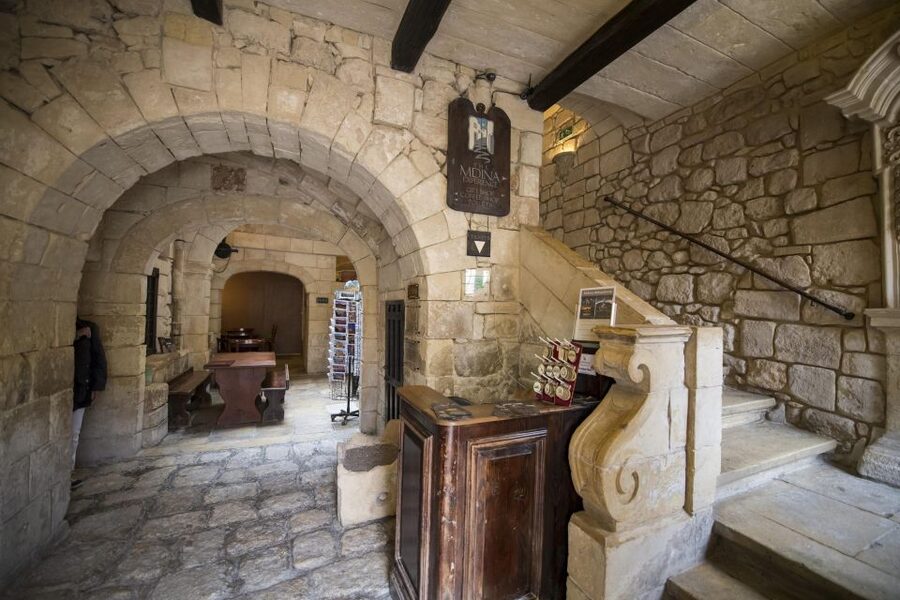
The earliest part of the show looks at Mdina’s very old roots, including the cult of the mother goddess. This gives you a glimpse of Malta before the city became known through medieval walls, Christian traditions, and later political power.
The subject is useful because it pushes the story beyond the familiar image of Mdina as a silent medieval town. The city’s timeline begins much earlier. You are encouraged to think about the beliefs and communities that shaped Malta before the periods most visitors recognize.
The presentation then moves through later chapters, including the shipwreck of St. Paul. This event has a major place in Malta’s religious and cultural story. Including it shows how Mdina’s identity developed through more than politics and architecture. Faith, legend, and historical memory all matter here.
I like this broad approach because it gives the city several layers. You are not simply told that Mdina is old. You see how different eras gave it different meanings. That can make a later walk through the Silent City feel less like a tour of pretty stone and more like a visit to a place repeatedly claimed, altered, and remembered.
The show’s purpose is not to examine every date or settle every historical question. Instead, it selects major themes and events that help you follow Mdina’s long story. For $7, that is a sensible tradeoff, especially if you want a general introduction rather than specialist detail.
More Self-Guided Tours in Mdina and Rabat:
- 30-Minute Mdina Experience Audio-Visual Show Ticket (Open Ticket)
★ 4.5 · 4 reviews - Valletta: “The Malta Experience” Audio-Visual Show Ticket
★ 4.4 · 468 reviews - Maltese Islands History Audio-Visual Show and La Sacra Infermeria Tour
★ 4.0 · 344 reviews - Valletta: Self-Guided Historical Walking Tour (Audio Guide)
★ 3.7 · 251 reviews
The earthquake, destruction, and rebuilding of Mdina
One of the strongest sections concerns the devastating earthquake that destroyed half of the city. The event gives the presentation a clear dramatic turn. Mdina’s survival was not automatic. A major part of the city had to be rebuilt before it could continue its story.
This is valuable context for your walk. When you see Mdina’s restored or reconstructed buildings, you will know that the city’s appearance reflects both age and renewal. Old cities are often presented as if they have simply remained unchanged for centuries. Mdina’s story is more complicated.
The rebuilding also explains the show’s focus on triumphs and tribulations. The city did not only experience growth and prestige. It endured disaster, then recovered. That rise and fall pattern gives the presentation a human quality, even though the subject is a city.
The visual format should work well here. Destruction and rebuilding are easier to picture when the screen can show a broad view of the city and move between different historical moments. The surround sound adds atmosphere, while the narration keeps the sequence understandable.
Still, the emotional effect will depend on how much you enjoy screen-based attractions. If you prefer to read original documents, examine artifacts, or listen to a guide explain details in person, you may find the show less satisfying. If you want a short orientation with strong visual support, it is a better fit.
What you can do after the screening
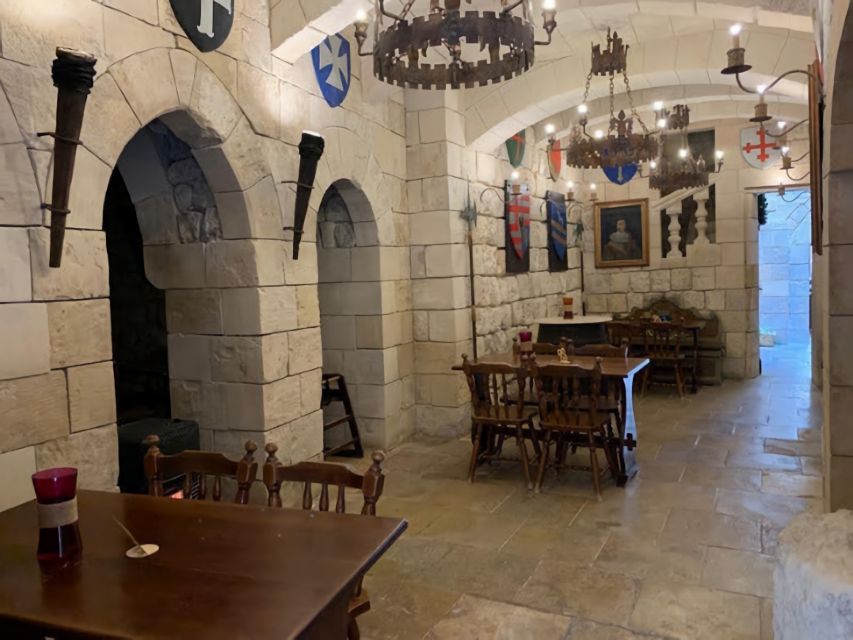
After the presentation, you can visit the medieval tavern connected with the attraction. It offers freshly prepared food and drinks, giving you a place to pause after the show or continue the historical mood.
Food and drinks are not included in the $7 ticket. Treat the tavern as an optional add-on, not part of the admission price. That makes the ticket easy to understand: you pay for the theatre show, then decide for yourself if you want to spend more on refreshments.
The tavern may suit you if you want to sit down before continuing around Mdina. It is also a practical choice if your visit falls near a meal or if you want a themed stop rather than a quick snack elsewhere. The available information does not specify a menu or prices, so I would not plan your entire meal around it without checking on the day.
The most useful way to combine the two is to treat the screening as a starting point and the tavern as optional. You can watch the show, take in the city with its history fresh in mind, then decide if you want food afterward.
Is $7 good value?
At $7 per person, the Mdina Experience is priced as a low-cost cultural stop rather than a major day attraction. The screening lasts 30 minutes, so the price works out well if you value a clear introduction to Mdina and want to add structure to your visit.
The strongest value comes from the amount of time covered. You receive an account of 7,000 years, including religious traditions, the arrival of Christian history through St. Paul’s shipwreck, a major earthquake, and the city’s rebuilding. A live walking tour would usually require more time and might cover a different level of detail.
The open ticket adds value because you can fit the show around the rest of your Malta plans. You are not locked into one date, and hourly screenings give you several chances each day. The tradeoff is that one ticket means one entry, so you cannot come back later to watch again.
The ticket also includes the full audio commentary in 12 languages. That is useful for international groups and for anyone who understands a language other than English more comfortably. The host or greeter speaks English, but the recorded narration gives you a wider choice.
I would call the price fair, especially for first-time visitors, families, and anyone who wants a short indoor activity. It is less compelling if you already know Mdina’s history well or if you have very limited time and want to spend every minute walking outdoors.
Who will enjoy this experience most?
I would recommend the show to you if you want historical background without committing to a long tour. It suits first-time visitors who want a quick introduction before exploring the city’s streets.
Families may also find the format practical. The combination of images, sound, and a 30-minute running time is easier to manage than a lengthy lecture. The subject includes dramatic events, but the presentation is designed to balance education and entertainment and is described as suitable for all ages.
It also works for visitors who speak one of the 12 listed audio languages. The multilingual soundtrack lets you follow the story in a language that feels comfortable, even though the on-site host or greeter speaks English.
You should think twice if you need accessible audio alternatives, since the experience is not suitable for hearing-impaired people. You may also prefer a different activity if you want a personal guide, live questions, or a detailed examination of buildings and artifacts.
Pets are not allowed. Hotel pickup and drop-off are not included, and there is no tour guide as part of the ticket, so plan your own way to Mdina and around the rest of your day.
Booking, timing, and cancellation advice
The open ticket gives you flexibility. You can use it on any day within the theatre’s opening hours and available time slots, rather than being tied to one fixed date.
You can reserve now and pay later, which helps if you are arranging several Malta activities at once. If your plans change, you can cancel up to 24 hours in advance for a full refund.
For the smoothest visit, check the show times before setting your Mdina schedule. The standard timetable runs hourly from 11:00 a.m. to 5:00 p.m., but opening hours are subject to change. Go to the reception area when you arrive, and remember that the ticket is valid for one entry only.
Should you book the Mdina Experience?
I would book it if you want a reasonably priced, easy-to-fit introduction to Mdina’s long story. The 30-minute format, strong projection system, surround sound, open ticket, and 12 language choices make it useful before or after a walk through the Silent City.
I would skip it if you want a live guide, a museum-style collection, or a fully outdoor experience. The show cannot replace seeing Mdina in person, but it can give those streets more meaning. At $7, it is a sensible extra for most first-time visitors, provided the audio-based format suits you.
FAQ
How long does the Mdina Experience show last?
The audio-visual show lasts 30 minutes.
How much does admission cost?
The listed price is $7 per person.
Is the ticket valid on one specific date?
No. It is an open ticket that can be used on any day within the theatre’s opening hours and available time slots.
How often are shows scheduled?
Shows are scheduled every hour from 11:00 a.m. through 5:00 p.m., with the 5:00 p.m. show listed as the last screening.
Is the Mdina Experience open every day?
Yes. The theatre is open from Monday through Sunday all year, except Christmas Day on December 25. Opening hours may change, so confirm them during your stay.
Which languages are available for the audio commentary?
Audio commentary is available in English, German, French, Dutch, Spanish, Italian, Russian, Turkish, Greek, Swedish, Japanese, and Maltese.
Is a live tour guide included?
No. The ticket includes entry to the audio-visual show and recorded commentary, but not a tour guide.
Are food and drinks included?
No. Food and drinks at the medieval tavern are available separately and are not included in the admission price.
Can I enter the theatre more than once with one ticket?
No. The ticket is valid for one-time entry only, and re-entry is not allowed.
Just added in Mdina and Rabat
- Malta: 5 hr Vintage Bus Tour – Mdina & Blue Grotto inc. food★ 5.0 · 22 reviews
- Valletta & Mdina: Private Tour★ 4.5 · 16 reviews
- Shore Excursion: Private Full-Day Tour of Valletta & Mdina★ 5.0 · 4 reviews
- Private Tour in Malta Prehistoric Temples & Mdina★ 5.0 · 4 reviews
- Private Tour in Valletta and Mdina★ 5.0 · 1 review
- Rabat Mdina and San Anton Gardens Group Tour with St. Paul’s Catacombs★ 3.5 · 16 reviews
- Valletta, Mosta and Mdina Night Tour★ 3.5 · 15 reviews
- Malta Shore Excursion: Private tour of Valletta and Mdina★ 4.5 · 8 reviews
Mdina and Rabat Tours, compared.

Highlights of Malta & Mdina Full Day Tour with Lunch
Read our review →
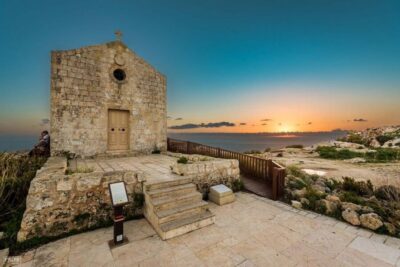
Mdina, Dingli Cliffs and San Anton Botanical Gardens
Read our review →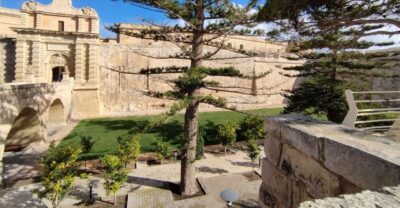



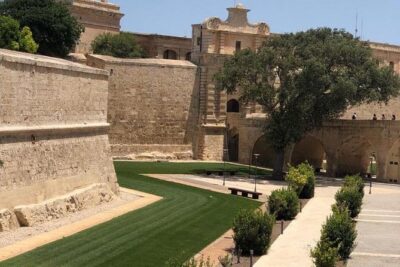
Mdina and Rabat Walking Tour inc. Catacombs and St. Paul’s Grotto
Read our review →Browse the lists this tour appears in