
Review · HISTORICAL TOURS
The Limestone Heritage Park and Gardens (Entry Ticket)
Malta’s story is carved in limestone. The Limestone Heritage Park and Gardens turns that familiar building material into a hands-on look at 7,000 years of island life, with an audio-visual presentation, museum displays, gardens, farm animals, and live stonework.
I like the 17-language audio experience, which lets you move at your own pace without needing to join a fixed guided group. I also like the mix of serious history and simple family fun: one minute you are examining geology or a Punic tomb, and the next you are watching a craftsman shape stone or meeting animals at the farm.
The main consideration is scale. One recent booking described the park as smaller than expected, though still very enjoyable. At $11 per person, it offers good value if you appreciate local culture and hands-on exhibits, but you should not expect a huge theme park or a full-day museum complex.
In This Review
- Key points before you go
- Why limestone matters so much in Malta
- Start with the audio-visual presentation
- Take the self-guided walk through the park
- See the geology section and museum hall
- Visit the Punic tomb dating from 400 B.C.
- Watch live stone sculpting
- Slow down in the citrus garden
- Meet the animals at the farm park
- Finish with local food or a Maltese souvenir
- Is the $11 ticket good value?
- Plan your visit around the opening hours
- Who will enjoy the Limestone Heritage Park?
- Should you book it?
- FAQ
- How much does entry to the Limestone Heritage Park and Gardens cost?
- How long is the ticket valid?
- What are the opening hours?
- Is an audio guide included?
- Which languages are available for the audio guide?
- What is included with admission?
- Is the park wheelchair accessible?
Key points before you go

- 7,000 years of Maltese history: Learn how limestone shaped Malta’s buildings, crafts, culture, and daily life.
- Audio in 17 languages: Choose Maltese, English, French, German, Italian, Dutch, Russian, Spanish, Greek, Portuguese, Swedish, Danish, Finnish, Norwegian, Polish, Chinese, or Japanese.
- A real Punic tomb: See a burial site dating from around 400 B.C.
- Stonework in action: Live sculpting demonstrations show how local stone is worked by hand.
- More than a museum: The ticket also includes citrus gardens, a geology section, a farm animal park, and outdoor areas.
- A small hands-on extra: You can make your own limestone piece for €5, according to one recent visit.
Why limestone matters so much in Malta
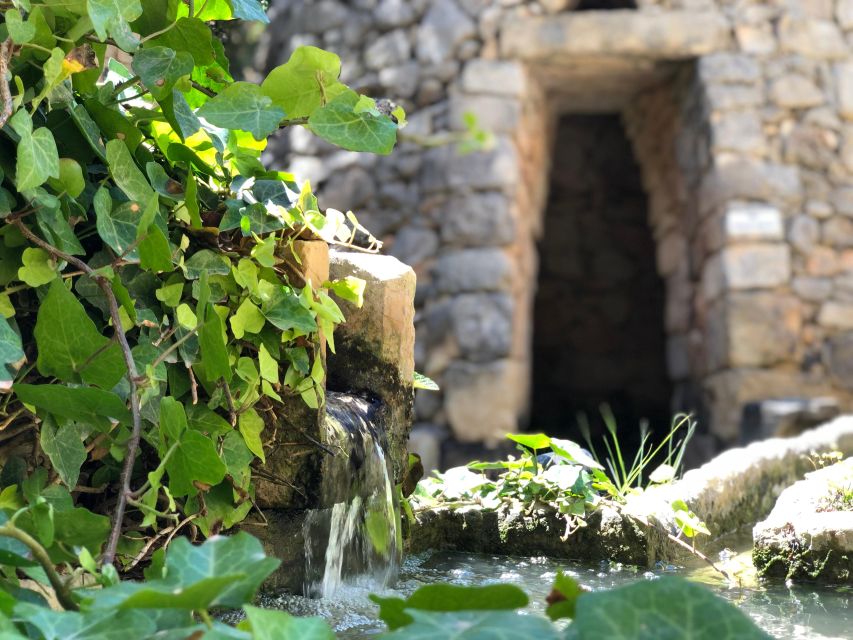
Malta is famous for honey-colored stone, and this park gives you a practical way to understand why. Limestone is not just a geological sample here. It is part of the island’s towns, churches, walls, tombs, houses, and decorative art.
The attraction is located in Siġġiewi, a traditional Maltese village. That setting helps the subject feel connected to real Malta rather than sealed inside a formal city museum. You are looking at the material that helped shape the country around you.
The 7,000-year time span also gives the visit a useful sense of scale. The park links geology with human history, showing how people used what was under their feet. This is especially helpful if you are visiting Malta’s megalithic sites, old churches, historic towns, or rural villages and want a better idea of the stonework you are seeing elsewhere.
I would not treat this as a replacement for Malta’s major archaeological museums or ancient temples. Instead, it works as a compact introduction. It explains the material side of the island’s past in a way that younger visitors can follow too.
More History Tours in Malta:
- Malta: Prehistoric Temples, Limestone Heritage & Blue Grotto
★ 4.2 · 412 reviews - Maltese Islands History Audio-Visual Show and La Sacra Infermeria Tour
★ 4.0 · 344 reviews - Valletta: Self-Guided Historical Walking Tour (Audio Guide)
★ 3.7 · 251 reviews
Start with the audio-visual presentation
Your visit begins with an audio-visual presentation about Malta and its past. It is available in 17 languages, making it easy for families and mixed-language groups to follow together.
This presentation is useful because it gives you a framework before you walk through the rest of the site. Rather than seeing a tomb, a block of stone, or a museum object as an isolated item, you begin to understand how geology, building, burial customs, and local traditions connect.
The format should suit you if you prefer a clear introduction instead of reading long museum panels. It also helps children stay involved, since moving images and sound can make a broad subject easier to grasp.
The trade-off is that an audio-visual presentation is a shared introduction, not a personal conversation with a historian. If you want detailed answers to specialist questions, you may find the format limited. Still, for a short cultural attraction, it does a good job of setting the scene.
Take the self-guided walk through the park

Next comes the audio-guided walkthrough. You can listen in your chosen language and move through the attraction at your own speed.
I like this arrangement for a few reasons. You are not tied to a group’s walking pace, and you can spend longer at the sections that interest you most. Families can spread out a little, while solo visitors can take their time without feeling rushed.
The audio guide is offered in the same 17 languages as the presentation. The choices include English, Maltese, French, German, Italian, Dutch, Russian, Spanish, Greek, Portuguese, Swedish, Danish, Finnish, Norwegian, Polish, Chinese, and Japanese.
The ticket allows entry at any hour during the booked day and opening hours. That flexibility matters if you are combining the park with other stops around Siġġiewi. You do need to plan carefully, though, because this is a one-time entry. You cannot leave and return on the same ticket.
There is no included personal guide, and the listed host or greeter language is English. The audio system handles the main interpretation, so you should not book this expecting a long, live guided tour led entirely by a staff member.
See the geology section and museum hall
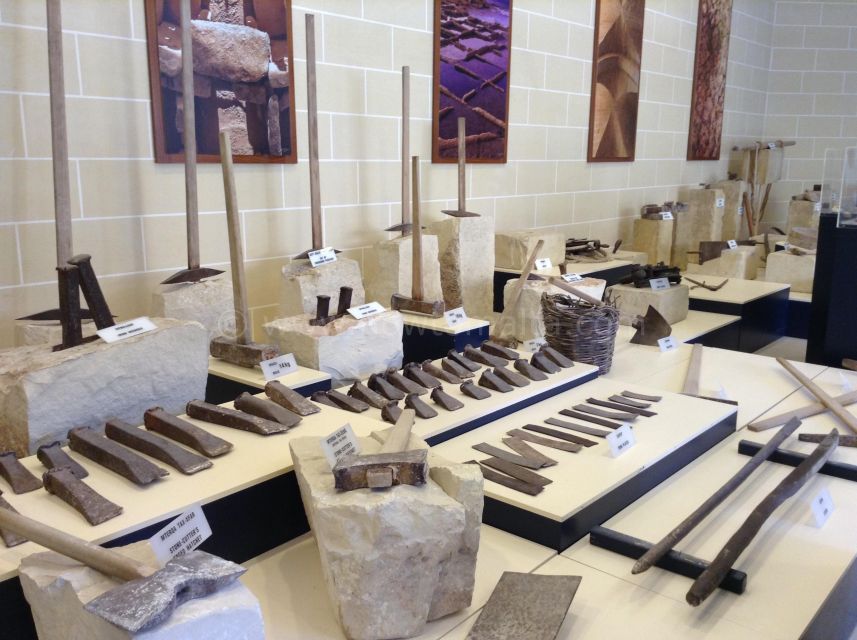
The geology section explains the physical side of Malta’s stone. This is where you can focus on the material itself, rather than only on the buildings and objects made from it.
That distinction is important. Limestone can look simple when you see it in a wall, but the geological section helps you notice its texture, formation, and practical use. It gives more meaning to the pale stone that appears throughout Maltese villages and historic sites.
The museum hall adds a cultural layer. Together, these spaces make the park more than an outdoor garden with a few stone displays. You get a basic introduction to how the island’s natural resources affected work, construction, art, and everyday life.
The displays are likely to appeal most to visitors who enjoy local museums but prefer a relaxed outdoor setting. If you want rows of rare objects and long academic labels, this may feel modest. The attraction works best when you treat it as a clear, accessible explanation rather than a major national collection.
A few more options to weigh up in Malta
- St Paul’s Bay: Malta National Aquarium Entry Ticket
★ 4.4 · 2,532 reviews - Mellieha: Popeye Village Entry Ticket
★ 4.6 · 2,070 reviews - Mellieha: Popeye Village Malta Filmset Entry Ticket
★ 4.6 · 1,802 reviews - Malta National Aquarium Entrance Ticket
★ 4.0 · 643 reviews
Visit the Punic tomb dating from 400 B.C.
One of the most important stops is the Punic tomb, dated to around 400 B.C. This gives the visit a direct link to Malta’s ancient past.
A tomb is more than an old stone chamber. It shows how earlier communities treated the dead and used underground spaces. Seeing one within a wider attraction about limestone also helps you connect burial architecture with the material available on the islands.
This section may be brief, but it adds real historical weight. The park is not only about modern stone carving and garden paths. It also includes a surviving ancient feature that reaches back to the Punic period.
You should keep expectations in check. The information provided does not suggest a large archaeological complex or a series of tombs. Think of it as a focused historical stop within a broader park visit.
Watch live stone sculpting
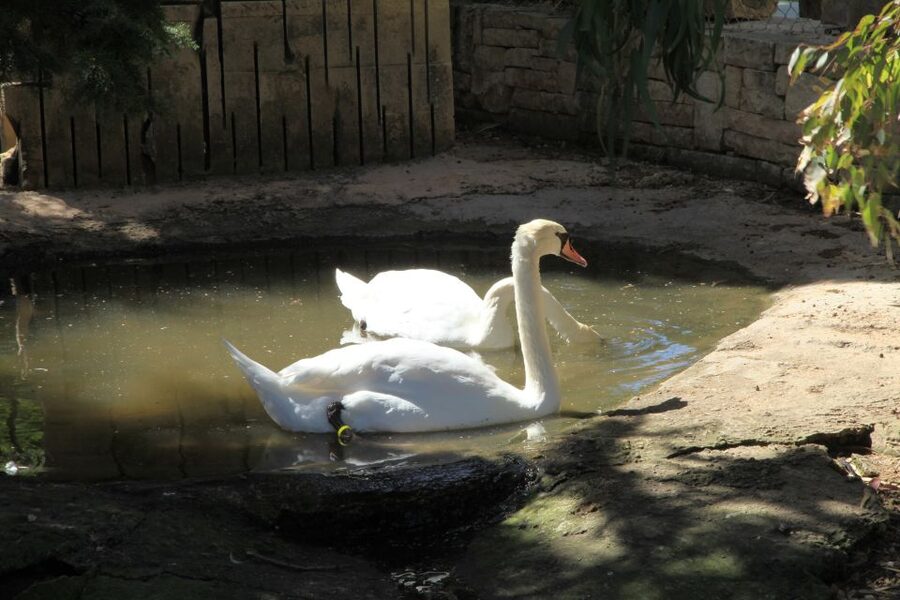
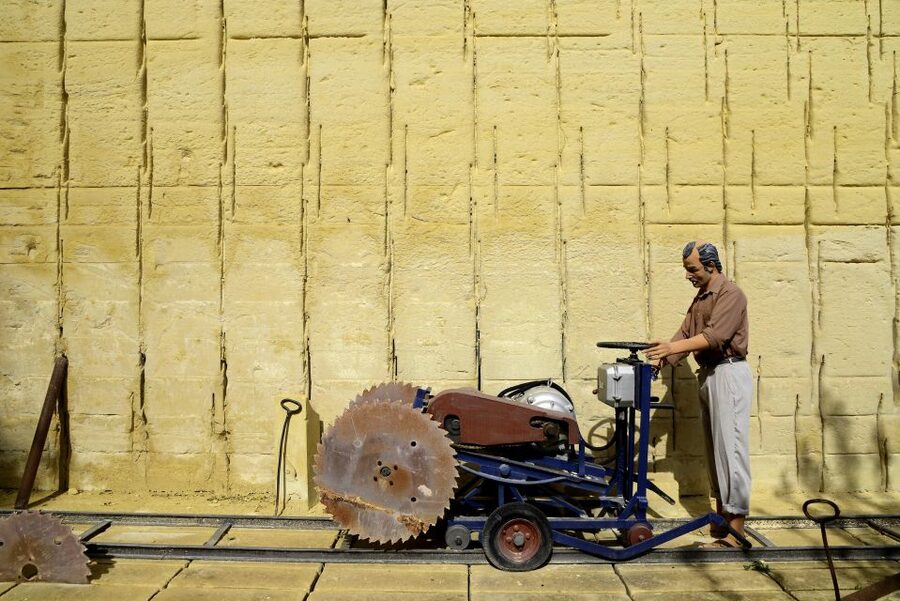
The live stonework demonstration is likely to be one of the most memorable parts of the experience. Watching stone being shaped gives you a better idea of the patience and skill behind Malta’s carved details.
A finished sculpture can look effortless. The demonstration shows the work behind it, including the transformation of a rough block into something with form and purpose. It also makes the park’s central subject feel practical rather than abstract.
This is a strong feature for families. Children can see a craft happening in front of them, and adults get a closer look at a traditional skill connected to Maltese buildings and decoration.
The timing of demonstrations may affect your visit, since the available details do not provide a fixed schedule. Ask at the entrance about the next demonstration so you do not miss it. If you want a souvenir with a personal connection to the craft, the shop also sells stone items and genuine Maltese goods.
One recent visitor highlighted a €5 option to create a personal limestone piece and spend time refining it. That small activity may be ideal if you want more than a quick look. It is not included in the $11 admission, so bring this extra cost into your plan.
Slow down in the citrus garden
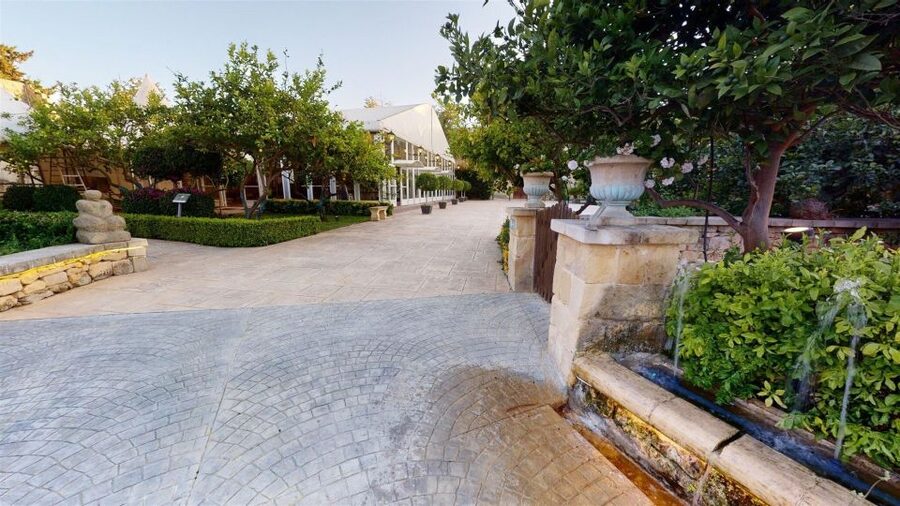
After the museum and stone displays, the citrus garden gives you a quieter change of pace. This is one of the reasons I see the park as more than a standard indoor attraction.
The garden lets you pause between information-heavy sections. You can take in the countryside setting, enjoy the greenery, and give children room to reset before the next stop. The peaceful surroundings also make the park suitable for a slower morning rather than a quick, rushed visit.
The garden is not likely to satisfy you if you are searching for a major botanical collection. Its value is in the atmosphere and contrast. Malta’s stone story feels more complete when you can move between quarries, museum spaces, and living plants.
Food and drinks are not included, but the site serves tea, coffee, snacks, a Maltese platter, and Maltese tuna ftira. These give you a chance to try local flavors without leaving the attraction, though you should budget separately for anything you order.
Meet the animals at the farm park
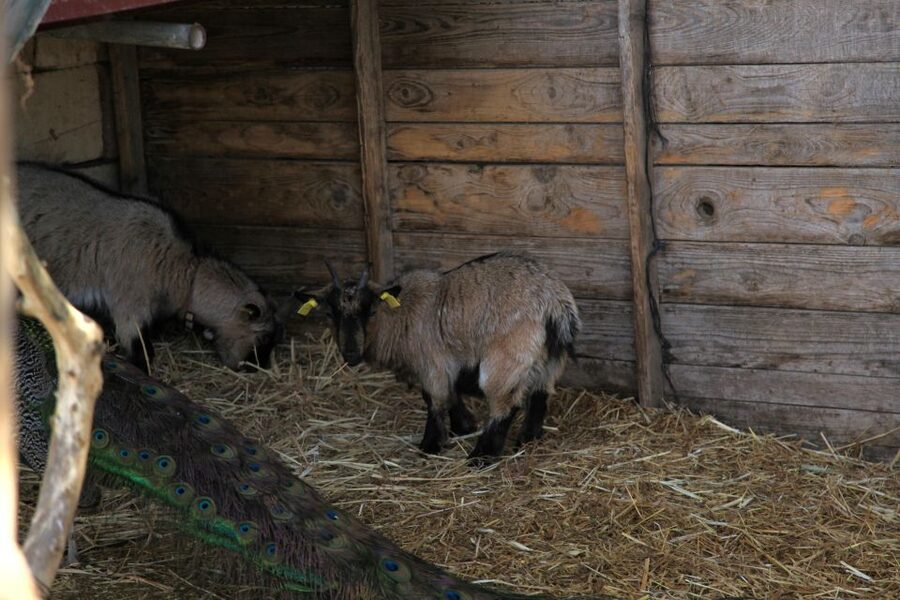
The farm animal area adds an easygoing family element. It is a useful stop if your group includes children who may not want a history lesson from start to finish.
The animals also reinforce the park’s rural setting. After learning about stone, tombs, and geology, you get a more ordinary picture of life in the countryside. That mix keeps the visit from feeling too formal.
The available details do not list the species or describe animal-handling activities, so I would not assume that feeding or petting is included. Treat it as an animal area to visit, with the exact interaction depending on the park’s rules on the day.
For adults traveling without children, this section may be less important than the tomb, geology displays, and stone demonstration. For families, it can make the whole outing feel more varied and worthwhile.
Finish with local food or a Maltese souvenir
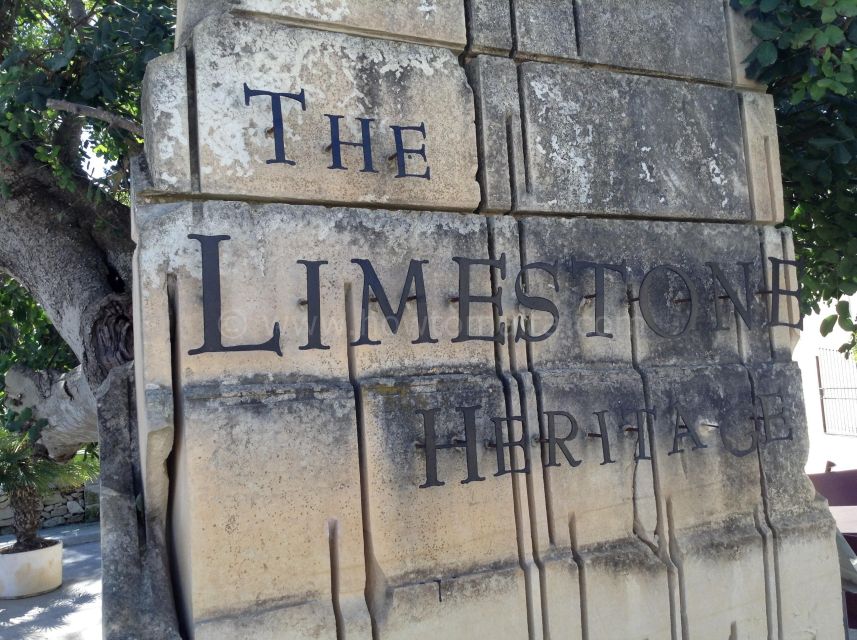
The café area gives you a chance to sit with a tea or coffee and try local snacks. The Maltese platter and tuna ftira are especially useful choices if you want a light taste of the country without arranging a separate restaurant visit.
The food is not part of the admission price. That is fair, since it lets you choose whether to spend more, but remember that the $11 ticket covers the attraction only.
The shop sells genuine Maltese goods and exclusive stone souvenirs. You are not required to buy anything, and the shop is best treated as an optional final stop. A small stone item may be a more fitting keepsake than a generic souvenir, especially after watching the carving demonstration.
Is the $11 ticket good value?
At $11 per person, the ticket is reasonably priced for a cultural attraction that combines several types of activity. You receive access to the presentation, audio-guided walk, museum hall, geology section, Punic tomb, citrus garden, animal park, and live stonework demonstrations.
The value improves if you take your time. The ticket is valid for the booked day, and you can arrive at any hour during opening hours. One recent visitor also noted that you can stay as long as you want to work on the optional €5 limestone project.
The price is less attractive if you only want a major archaeological site or a large museum. The park is compact, and one recent booking found it smaller than expected. You are paying for variety and a clear introduction, not for an enormous collection.
I would consider it good value for families, first-time visitors to Malta, and anyone interested in how local stone shaped the island. It is also a sensible choice on a day when you want something educational but not exhausting.
Plan your visit around the opening hours
The park is open Monday through Friday from 9:00 a.m. to 4:00 p.m. On Saturday, it opens from 9:00 a.m. to 12:00 p.m. It is closed on Sundays and Maltese public holidays.
Last entry is 30 minutes before closing, so do not arrive at the final moment. Saturday is particularly tight, with only a morning window. If you want time for the full walk, garden, farm, food, and stone demonstration, a weekday gives you more breathing room.
Public holidays include January 1, February 10, March 19, March 31, May 1, June 7, June 29, August 15, September 8, September 21, December 8, December 13, and December 25, along with Good Friday, whose date changes each year.
Opening hours can change, so confirm them with the activity provider during your stay. The venue is wheelchair accessible, which is useful for visitors who need step-free access, though the available information does not give detailed descriptions of every surface or route.
There is no hotel pick-up or drop-off. You will need to arrange your own way to Siġġiewi. Food, drinks, and a personal guide are also separate.
Who will enjoy the Limestone Heritage Park?
I would recommend this attraction most strongly to:
- Families looking for history, animals, gardens, and a craft demonstration in one stop.
- Visitors curious about Malta’s building stone and traditional workmanship.
- People who prefer self-guided sightseeing to a fixed group tour.
- Anyone who wants a short cultural outing in a village setting.
- Visitors who appreciate audio interpretation in a wide choice of languages.
- Travelers building a flexible day around Siġġiewi and the surrounding countryside.
You may want to skip it if your schedule is very tight or if you only want Malta’s most famous archaeological monuments. The park is compact, and the experience depends on your interest in stone, local culture, and smaller attractions.
Should you book it?
Book the Limestone Heritage Park and Gardens if you want a pleasant, family-friendly introduction to Malta’s stone culture at a modest price. The best parts are the flexible audio walk, the ancient Punic tomb, the live stonework, and the chance to add a hands-on €5 limestone project.
Set your expectations correctly. This is a small attraction, not an all-day blockbuster. Give yourself enough time to enjoy the museum, garden, farm, and café, and it becomes a thoughtful addition to a Malta itinerary rather than a rushed photo stop.
FAQ
How much does entry to the Limestone Heritage Park and Gardens cost?
The entry ticket costs $11 per person. Food, drinks, and the optional limestone activity are not included.
How long is the ticket valid?
The ticket is valid for one day, on the booked date. You may enter at any hour during the park’s opening times, but the ticket allows one entry only and does not permit re-entry.
What are the opening hours?
The park is open Monday through Friday from 9:00 a.m. to 4:00 p.m. On Saturday, it is open from 9:00 a.m. to 12:00 p.m. It is closed on Sundays and Maltese public holidays. Last entry is 30 minutes before closing.
Is an audio guide included?
Yes. The audio-visual presentation and audio-guided walkthrough are included in the ticket and are available in 17 languages.
Which languages are available for the audio guide?
The audio guide is available in Maltese, English, French, German, Italian, Dutch, Russian, Spanish, Greek, Portuguese, Swedish, Danish, Finnish, Norwegian, Polish, Chinese, and Japanese.
What is included with admission?
Admission includes the audio-visual presentation, audio-guided walkthrough, live stonework demonstrations, museum hall, geology section, Punic tomb, citrus garden, and farm animal park.
Is the park wheelchair accessible?
Yes, the Limestone Heritage Park and Gardens is listed as wheelchair accessible.
Just added in Malta
- Wakeboarding Adventure in Malta: Learn to Ride★ 5.0 · 4 reviews
- Gozo: Wine Tasting and Paired Dinner Experience★ 4.9 · 43 reviews
- Victoria, Gozo: Sunset Walking Food and Drink Tour★ 5.0 · 6 reviews
- World War II Malta Full-Day Walking Tour★ 4.3 · 18 reviews
- Malta: 5 hr Vintage Bus Tour – Mdina & Blue Grotto inc. food★ 5.0 · 22 reviews
- Valletta: Private Massage from a world renowned masseuse★ 4.6 · 9 reviews
- Valletta Street Food & History Tour With Private Transfers★ 4.5 · 15 reviews
- Valletta: Private Walking Tour With A Guide ( Private Tour )★ 5.0 · 1 review
Historical Tours, compared.

Prehistoric Temples, Limestone Heritage & Blue Grotto
Read our review →
Maltese Islands History Audio-Visual Show and La Sacra Infermeria Tour
Read our review →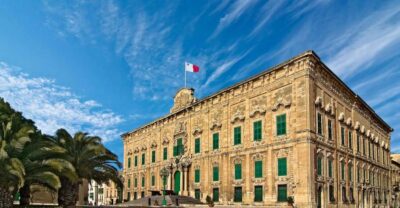
Self-Guided Historical Walking Tour (Audio Guide)
Read our review →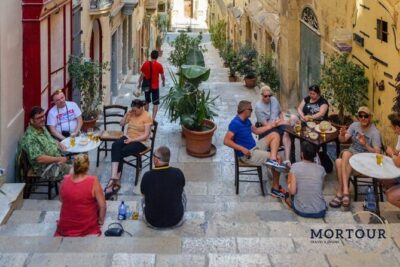
Wonderful Valletta, gastronomy, art, and history in the Mediterranean
Read our review →

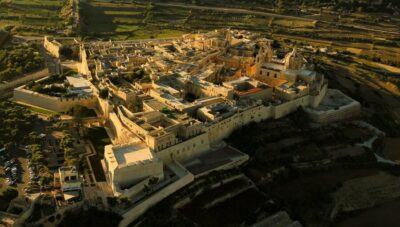
Private Historical City Walking Tour with Rabat Town
Read our review →
Browse the lists this tour appears in