
Review · WALKING TOURS IN VALLETTA
Valletta: 3-Hour Walking Tour
Valletta rewards anyone willing to walk slowly. This three-hour tour gives you Grand Harbour views from Upper Barrakka Gardens and a clear introduction to the capital’s Baroque streets, palaces, churches, and wartime landmarks. I also like that a licensed local guide connects the buildings to Malta’s long story instead of simply pointing them out.
The $25 price is good value if you want orientation before exploring alone, especially since the route covers a large part of central Valletta. The main consideration is the pace and language: you will be on foot for three hours, and the tour is offered in English, so it may not suit anyone with weak English or difficulty walking on historic streets.
In This Review
- Five useful things to know before you go
- Starting at Valletta City Gate and Parliament
- Auberge de Castille and Pjazza Jean de Valette
- Church of Our Lady of Victory and Upper Barrakka Gardens
- Palazzo Parisio and St. John’s Co-Cathedral
- Republic Street and the Courts of Justice
- St. George’s Square to Fort St. Elmo
- Finishing at Lower Barrakka Gardens
- What the $25 price really covers
- How demanding is the three-hour walk?
- The guides make the difference
- Who should book this Valletta walk?
- FAQ
- How long does the Valletta walking tour last?
- Where does the tour start?
- Where does the tour finish?
- Is a guide included?
- What language is the tour offered in?
- Are entrance fees included?
- What should I wear?
- Should you book this tour?
Five useful things to know before you go
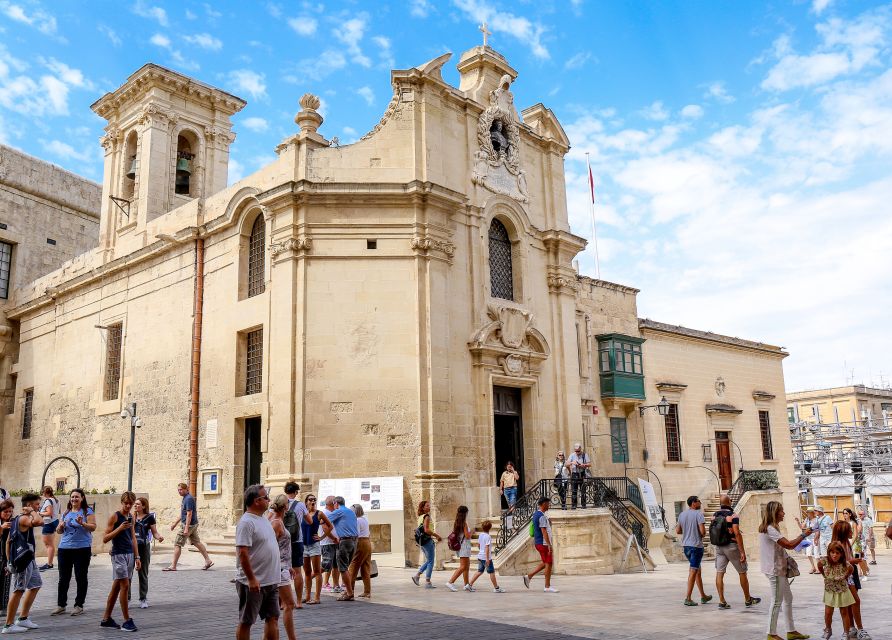
- Start beside Parliament: Meet your guide at the bottom of the steps next to the Parliament of Malta, near Valletta City Gate.
- Expect a history-heavy walk: The guide explains the Knights of St. John, Grand Master Jean de Valette, Malta’s architecture, and later military history.
- Upper Barrakka is a highlight: This stop provides one of the tour’s best views over the Grand Harbour and includes a short break.
- Most sights are viewed from outside: Entrance fees are not included, so plan separate visits if you want to go inside St. John’s Co-Cathedral or other attractions.
- Wear proper shoes: Three hours on foot through Valletta’s old streets calls for comfortable, sturdy footwear.
- English guides vary by departure: Guides praised for clear explanations include Matthew, Carmel, Marija, Julia, Giulia, Maria, Mario, and Carmen.
Starting at Valletta City Gate and Parliament
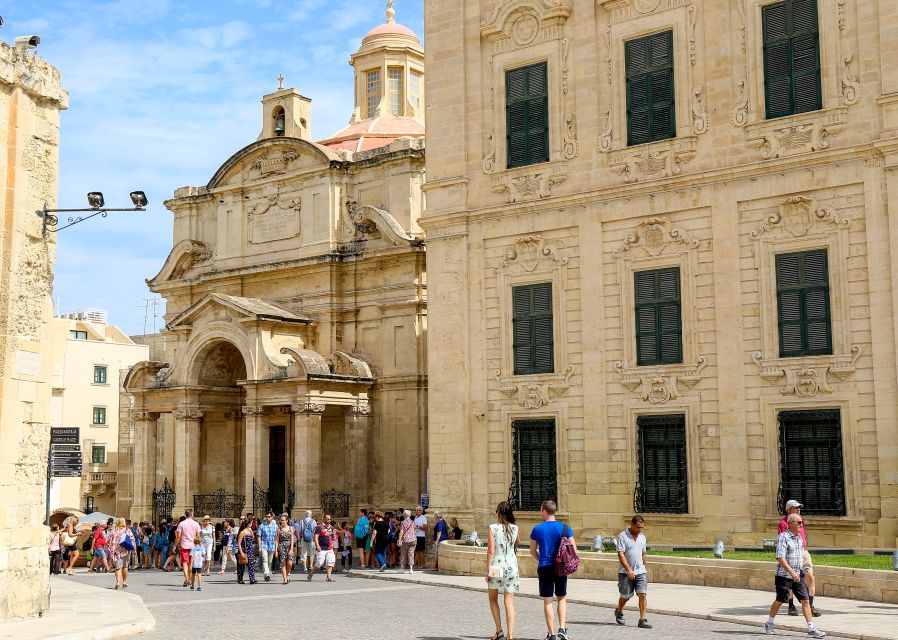
The meeting point is easy to understand: find the bottom of the steps beside the Parliament of Malta, close to the city gate. This places you right at the edge between modern Valletta and the older fortified city, which is a useful setting for the tour’s first theme.
Valletta is not a city you fully understand by looking only at its grand churches. Its streets reflect different periods of construction, rebuilding, government, religion, and war. The guide helps connect those layers as you walk, so the city feels less like a collection of impressive façades and more like a place shaped by changing needs.
The group first looks at the Parliament of Malta and the Royal Opera House. Renzo Piano’s Parliament building is a particularly interesting opening point because its modern design caused plenty of debate. You get a quick lesson in how Malta balances its old stone architecture with newer public buildings.
The Royal Opera House adds another layer. It is part of the city’s modern civic face, while the surrounding streets lead you toward buildings connected with the Knights of St. John. That contrast is one of the tour’s strengths. You are not shown only the prettiest corners. You are also encouraged to notice how Valletta has changed.
More Walking Tours in Valletta
- The Original Valletta Walking Tour
★ 5.0 · 2,719 reviews - Valletta: Guided City Walking Tour
★ 4.8 · 1,256 reviews - Valletta: Street Food and Culture Walking Tour
★ 4.8 · 1,251 reviews
Auberge de Castille and Pjazza Jean de Valette
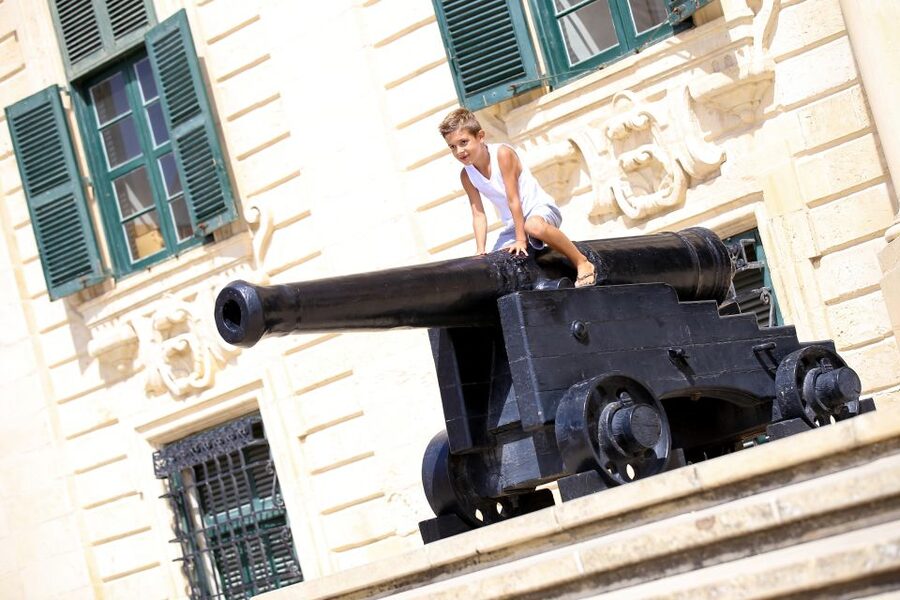
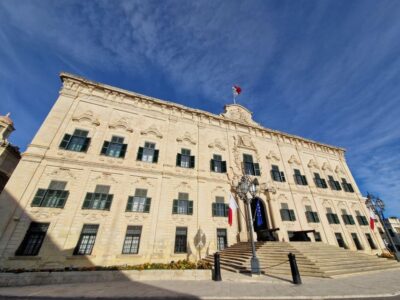
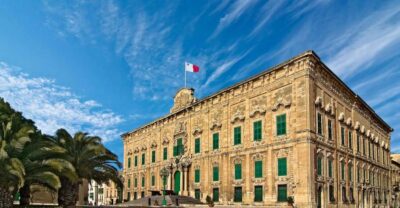
From the entrance area, the walk continues toward Auberge de Castille. This is one of Valletta’s major landmarks and an important stop for understanding the city’s connection with the Knights of St. John and the Grand Masters.
Your guide explains how the different auberges served the order’s national or regional groups. Even if you are new to Maltese history, this helps make sense of Valletta’s formal layout and oversized public buildings. The city was planned with purpose, not formed by accident over many centuries.
Pjazza Jean de Valette offers another chance to connect the capital with its founder. The square is a useful pause in the walk because the guide can place Jean de Valette within the wider story of Malta’s development. The focus is not only on one famous figure, but on why Valletta was created and how its role changed.
I would pay close attention here if you are visiting Malta for the first time. Names such as Jean de Valette, the Knights of St. John, and the Grand Master appear repeatedly in museums and monuments across the island. Learning the basic outline early makes later sightseeing much easier.
Church of Our Lady of Victory and Upper Barrakka Gardens
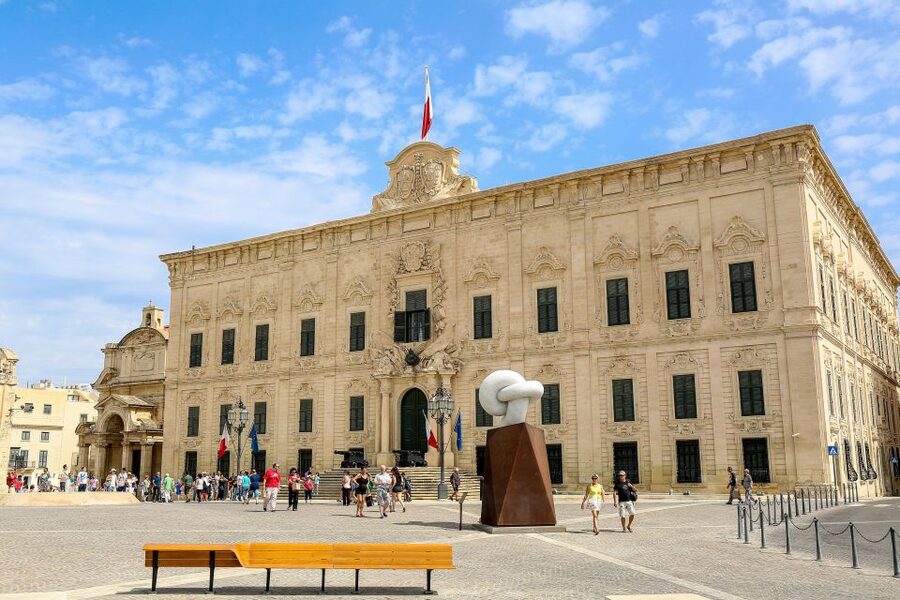
The Church of Our Lady of Victory brings the walk into Valletta’s religious and ceremonial side. The guide discusses the church as part of the city’s early development and points out details you might otherwise pass without noticing.
This is a walking tour rather than an indoor church visit, so do not expect an included entrance. Entrance fees are not part of the $25 price. If you want to explore religious buildings in more detail, you will need to return separately and pay any applicable admission.
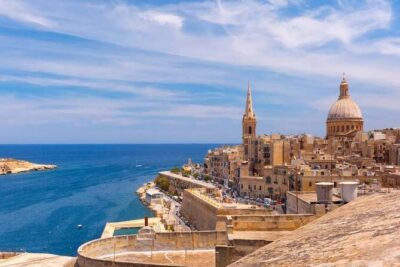
Upper Barrakka Gardens is the natural pause point. You get time to look across the Grand Harbour, one of the most memorable views in Valletta. The garden also gives you a break from the close walls and narrow streets of the city center.
I like this stop because it changes the scale of the tour. Until then, much of the experience is about streets, doorways, stonework, and façades. From Upper Barrakka, you can see the harbor setting that helped make Malta so important. The view gives the city’s fortifications and historic buildings a practical purpose.
The stop includes a break, guided sightseeing, and scenic views. Still, the timing of the break can depend on the guide and group. Bring water, especially in warm weather, since the tour takes place outdoors and continues for several more stops.
Palazzo Parisio and St. John’s Co-Cathedral
After Upper Barrakka Gardens, the group continues to Palazzo Parisio. Valletta’s palaces are a major part of its appeal, and this stop gives the guide another chance to explain how the city’s powerful institutions and residents shaped its appearance.
Do not expect a full palace visit as part of the tour. The itinerary describes guided sightseeing and walking, while entrance fees are excluded. The value here is the explanation of the building and its place among Valletta’s grand civic and religious architecture.
St. John’s Co-Cathedral is one of the major highlights. The tour includes a look at the façade and an explanation of its importance. Even from outside, the building shows the confidence of the Knights of St. John and the wealth they directed into Valletta.
The name can confuse first-time visitors. Despite being called a co-cathedral, it is one of Malta’s most important churches and a central Valletta sight. This tour does not include admission, so you should set aside another visit if you want to see the interior and its artwork.
That limitation is worth weighing. For $25, the walk covers a lot of ground and gives context to the major buildings. But if your main aim is to spend time inside St. John’s Co-Cathedral, you will need both this tour and a separate ticket. The guide’s explanation can help you decide which interiors deserve your time afterward.
A completely different kind of day:
- From Malta: Full-Day Gozo UTV Tour with Lunch and Boat Ride
★ 4.6 · 4,408 reviews - From Malta: Full-Day Gozo Quad Tour with Lunch and Boat Ride
★ 4.8 · 1,419 reviews - Gozo Full-Day Jeep Tour with Private Boat to Gozo & return
★ 4.5 · 1,048 reviews - Valletta: City Walking Tour in a Small Group
★ 4.9 · 957 reviews
Republic Street and the Courts of Justice
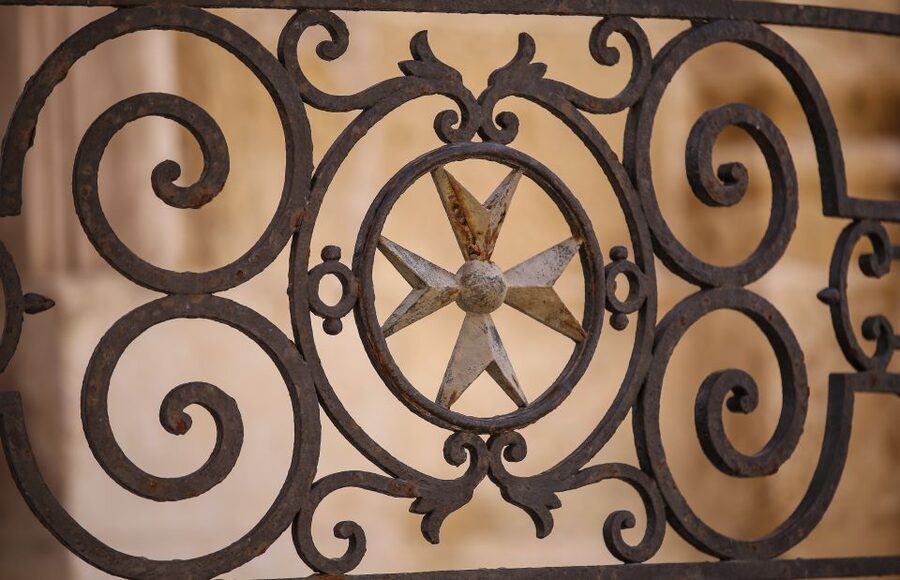
The group passes along Republic Street, Valletta’s main artery. This is not a long dedicated stop, but it helps you see how the city’s grand central route links many of its key buildings.
Republic Street can feel busy compared with the quieter side streets. That makes it a useful part of the walk rather than a distraction. You see the main public face of Valletta, then return to more focused stops where the guide can explain architectural and historical details.
The Courts of Justice building gives the route another civic landmark. As with Parliament and the Royal Opera House, this stop shows that Valletta is not simply an old town preserved for sightseeing. It remains Malta’s capital, with government and public institutions operating among historic buildings.
The tour’s strongest guides appear to be those who explain these connections clearly. Matthew is repeatedly praised for being friendly, clear, and easy to understand. Carmel is described as pleasant and well informed, while Maria is praised for bringing buildings to life and explaining how they relate to Malta’s past. Those qualities matter on a city walk, where a good explanation can turn an ordinary-looking façade into a meaningful stop.
St. George’s Square to Fort St. Elmo
St. George’s Square provides another open public space and a chance to take in Valletta’s formal design. The stop includes sightseeing and walking, with the guide continuing to explain the city’s architecture and history.
The route then passes the National War Museum at Fort St. Elmo. You do not enter the museum on this tour, but seeing the fort area helps widen the story beyond Baroque churches and palaces.
Malta’s military past is central to its identity, and Fort St. Elmo is a useful reminder that Valletta was built for defense as well as ceremony. The guide links the city’s fortifications and wartime sites to the wider development of Malta. If military history interests you, mark the National War Museum for a separate visit.
This is also where the three-hour length becomes important. The walk covers many major sights, but some stops are brief. You will get an overview and useful context, not a long museum lecture at every location. I see that as a benefit if you want a first look at Valletta, but less so if you prefer slow photography or extended time inside each building.
Finishing at Lower Barrakka Gardens
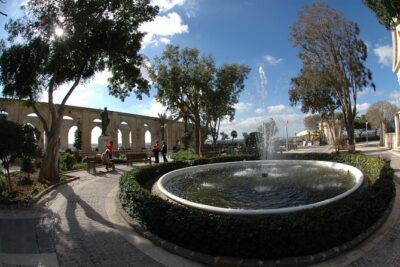
The walk finishes at Lower Barrakka Gardens, another scenic point with views toward the harbor and Valletta’s fortifications. It is a satisfying final stop because the route has moved from the city gate through the civic center, religious quarter, central streets, and military district.
There is a small practical detail to confirm when booking. The route information names Lower Barrakka Gardens as the finish, while the activity details also say the tour ends back at the meeting point. Ask the operator or guide where you will actually finish on your chosen departure. The two locations are within central Valletta, but they are not the same spot.
The ending also gives you a good choice. If the tour finishes at Lower Barrakka Gardens, you can continue sightseeing nearby or walk back toward the city center. If it returns to the start, you will be close to the city gate and the main route through Valletta.
What the $25 price really covers
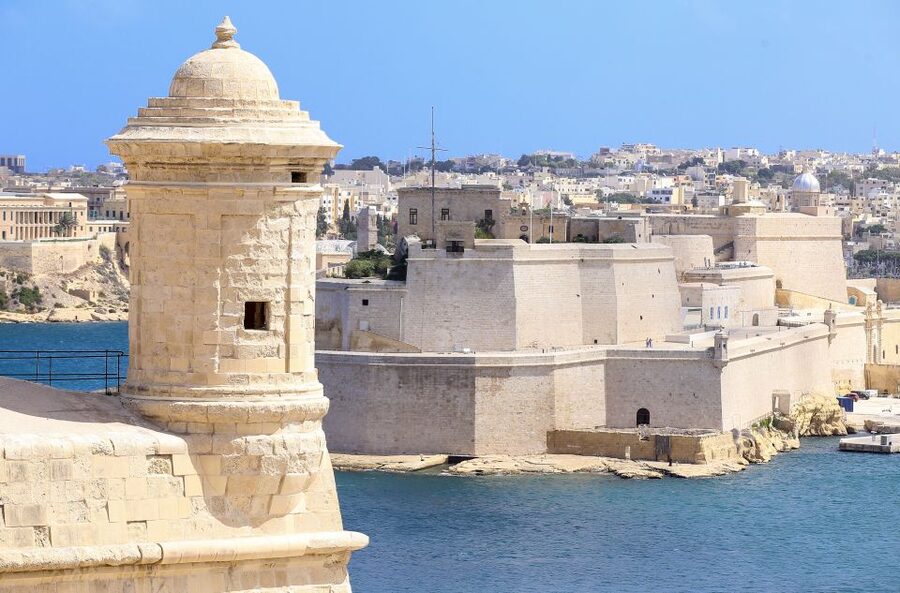
At $25 per person, this is a reasonably priced introduction to Valletta. You are paying for three hours with a licensed guide who covers architecture, political history, religious buildings, public squares, and military landmarks.
The value is strongest if you arrive without a plan. In three hours, you see places that could otherwise take much longer to organize, and you learn which buildings deserve a second visit. A guide can also point out details that are easy to miss when you are walking alone.
The price does not include admission fees, food, hotel pickup, or hotel drop-off. You need to reach Valletta City Gate yourself and budget separately for any indoor attractions. That is normal for a walking tour, but it matters if you are comparing the cost with an attraction pass or a private tour.
The tour has a 4.7 rating from 1,605 ratings, which supports the idea that the basic format works well. The most praised feature is not a single landmark. It is the quality of the guides, especially their ability to explain Malta’s past clearly, answer questions, keep a steady pace, and make the architecture easier to understand.
How demanding is the three-hour walk?
You need comfortable shoes. That is not a throwaway tip. Valletta’s historic streets require steady walking, and the tour lasts three hours with stops rather than long periods of sitting.
The pace appears to be manageable for many people. Several guides are praised for pacing the walk well, making regular stops, and explaining points of interest without rushing. Still, the tour is not designed for someone who wants to avoid walking.
Bring water and dress for outdoor sightseeing. The tour includes gardens, streets, squares, and viewpoints, so you will spend most of the time outside. The information provided does not specify group size, shaded seating, or accessibility arrangements, so ask the operator if those points are important to you.
English is the only stated tour language. The guide may explain complex historical subjects, including the Knights of St. John and Malta’s political and military past. If you are not comfortable listening to English for three hours, this may be frustrating. One direct comment specifically noted that the tour was less suitable for someone with weak English.
The guides make the difference
A city walk depends heavily on the person holding the microphone, or simply leading the conversation. The strongest guide comments focus on clear storytelling, local knowledge, patience, and an ability to answer questions.
Matthew receives praise for being friendly, clear, and well informed. Carmel is described as kind, pleasant, and able to explain the monuments in a straightforward way. Marija is praised for presenting Malta’s past in a way that brings different events together.
Julia and Giulia are also singled out for engaging explanations of Malta’s history and culture. Maria receives especially warm praise for making buildings come alive and giving the walk a good pace. Mario is praised for explaining Malta’s history, while Carmen is described as charming, informative, and good at managing the group.
Guide assignments can change, so you should not book on the assumption that one named guide will lead your departure. Still, the repeated praise for several different guides suggests a strong standard across the team.
Who should book this Valletta walk?
I would recommend it to a first-time visitor who wants a clear introduction before choosing which museums and churches to visit. It also suits cruise passengers or anyone with only part of a day in Valletta, provided the starting time fits your schedule.
It is a good choice if you enjoy architecture, public squares, local stories, and military history. The route includes enough major sights to give you a strong sense of the capital without requiring a full-day commitment.
You may want a different option if you prefer a private guide, a slower pace, a tour in another language, or extensive interior visits. Since admission fees are excluded, this experience works best as an orientation walk rather than a complete sightseeing package.
FAQ
How long does the Valletta walking tour last?
The tour lasts three hours. Check availability for the departure times offered on your chosen date.
Where does the tour start?
Meet the guide at the bottom of the steps next to the Parliament of Malta, near the Valletta City Gate.
Where does the tour finish?
The route information names Lower Barrakka Gardens as the finish. The activity details also state that it ends back at the meeting point, so confirm the exact finishing location for your departure.
Is a guide included?
Yes. A licensed live tour guide is included.
What language is the tour offered in?
The tour is offered in English.
Are entrance fees included?
No. Entrance fees are not included in the tour price.
What should I wear?
Wear comfortable shoes suitable for a three-hour walking tour. The route includes historic streets, gardens, squares, and outdoor viewpoints.
Should you book this tour?
Book it if you want a practical first look at Valletta with a guide who can connect its churches, palaces, squares, and fortifications. The $25 price is fair for three hours, and the harbor views at Upper Barrakka Gardens add real value.
I would book it early in your stay, then use the guide’s explanations to plan return visits to St. John’s Co-Cathedral, the National War Museum, or other interiors. Skip it only if you need another language, cannot comfortably walk for three hours, or want a private tour with more time inside each attraction.
Just added in Valletta
- World War II Malta Full-Day Walking Tour★ 4.3 · 18 reviews
- Malta: 5 hr Vintage Bus Tour – Mdina & Blue Grotto inc. food★ 5.0 · 22 reviews
- Valletta: Private Walking Tour With A Guide ( Private Tour )★ 5.0 · 1 review
- Valletta: Private Maltese Cuisine Walking Tour★ 4.8 · 8 reviews
- Valletta Private Walking Tour★ 5.0 · 1 review
- Afternoon Harbours Cruise with Guide and Roundtrip Transfers★ 3.4 · 11 reviews
- Valletta & Mdina: Private Tour★ 4.5 · 16 reviews
- Valletta: Guided Walking Tour★ 3.8 · 5 reviews
Walking Tours in Valletta, compared.

Self-Guided Historical Walking Tour (Audio Guide)
Read our review →Browse the lists this tour appears in