
Review · WALKING TOURS IN VALLETTA
Valletta Private Walking Tour
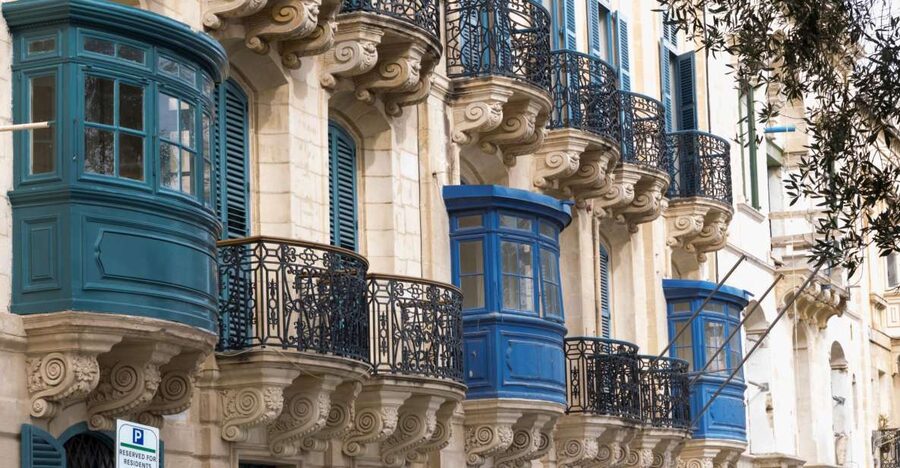
Valletta rewards a slow, curious walk. I like the private guide and the way the tour links Palace Square, St. John’s Co-Cathedral, Republic Street, and the city’s wartime story. I also like the chance to hear local legends instead of simply ticking off grand buildings. The main drawback is time: 90 minutes passes quickly, and entrance fees are not included.
This is a good introduction to Malta’s compact capital, especially if you want a clear sense of how the Knights of St. John shaped the city. You will cover several major sights, but the short schedule means you should expect a guided overview rather than a long interior visit at every stop.
In This Review
- Key points to know before booking
- Starting in Palace Square with the Knights
- Palace Square and the power of the Grand Masters
- St. John’s Co-Cathedral and the Knights’ faith
- Republic Street, Valletta’s main walking route
- City Gate and the changing face of Valletta
- Hastings Gardens and views across the harbor
- Manoel Theatre and Valletta’s cultural life
- Wartime Valletta and stories of survival
- Local legends, crusades, and cloak-and-dagger tales
- What the $294 price really means
- Who should book this Valletta walk?
- Final verdict: a useful first look at Valletta
- FAQ
- Where does the Valletta Private Walking Tour meet?
- How long does the walking tour last?
- How much does the tour cost?
- Is this a private tour?
- What language is the tour conducted in?
- Is St. John’s Co-Cathedral admission included?
- What sights are included in the walk?
- Does the tour discuss the Second World War?
- Can the tour be customized?
- Can I cancel for a full refund?
Key points to know before booking
- The tour begins in Palace Square: Meet by the music fountain in the Grandmaster Palace Courtyard.
- The group is private: One local professional guide leads only your party, with space for up to 15 people.
- The focus is historical storytelling: Expect stories about the Knights of St. John, crusades, local legends, and wartime Valletta.
- St. John’s Co-Cathedral is not included in the price: Any entrance fees must be paid separately.
- Hastings Gardens adds a strong view: You can look toward Floriana, Msida, Sliema, and Manoel Island.
- The tour is conducted in English: No other guide language is listed.
Starting in Palace Square with the Knights
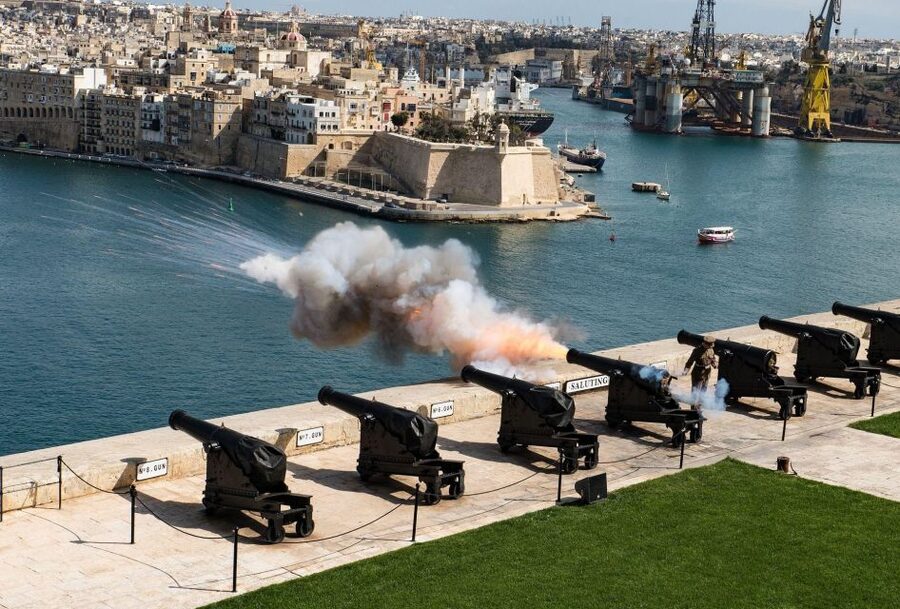
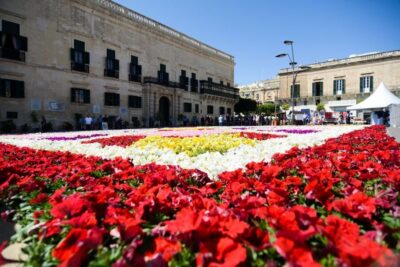
The tour starts in Palace Square, beside the music fountain in the Grandmaster Palace Courtyard. This is a useful meeting point because it places you right in the heart of Valletta, among the buildings connected with the city’s ruling order.
The square also gives you an early taste of local Malta. Traditional horse-drawn carriages, known as karozzin, may be present here. They are part of Valletta’s old street life, and their presence adds a human touch to what could otherwise feel like a formal architectural stop.
Your guide’s job here is to set the scene. Valletta was founded by the Knights of St. John, and the city was built with defense, government, religion, and daily life closely packed together. That tight arrangement is one reason the capital works so well as a walking destination. You do not need a bus between the main sights.
The opening stop should help you understand why Valletta can feel both elegant and severe. Its grand squares and stone facades reflect the power of the Knights, while its streets also tell a story of military planning and survival.
More Walking Tours in Valletta
- The Original Valletta Walking Tour
★ 5.0 · 2,719 reviews - Valletta: 3-Hour Walking Tour
★ 4.7 · 1,605 reviews - Valletta: Guided City Walking Tour
★ 4.8 · 1,256 reviews
Palace Square and the power of the Grand Masters
Palace Square is not just a place to gather. It introduces the political center of Valletta and the influence of the Grand Masters of the Order of St. John.
The tour description places emphasis on the city as a place built by gentlemen for gentlemen. That idea gives your guide plenty to explain: who controlled Malta, why the order needed such a strong capital, and how European powers affected the island’s future.
I would pay close attention to the stories here rather than rushing toward the next landmark. The value of a private tour is the chance to ask questions when a detail catches your interest. If you want more explanation about the Knights’ military role, Malta’s position in the Mediterranean, or the city’s later changes, this is the moment to ask.
The square is also a reminder that Valletta is not a museum frozen in time. The fountain, horse carriages, government buildings, pedestrians, and visitors all share the same space. That mix helps you picture how the capital functions today.
St. John’s Co-Cathedral and the Knights’ faith
St. John’s Co-Cathedral is one of the key stops, and it is likely to be the point where an entrance fee matters most. The tour price does not include admission, so you should check the current fee before deciding how much time and money you want to devote to the interior.
The building dates to the 16th century and was constructed by the Knights of Malta. Its outside character is described as closer to a military fort than a conventional church. That contrast is part of what makes it important. Valletta’s religious buildings were also tied to the order’s identity, wealth, and military mission.
A guide can make the cathedral easier to understand than a quick solo visit. You will hear how the Knights connected religious duty with the defense of Malta, along with stories about their ceremonies, rivalries, and strict social world.
Because the entire walk lasts only 1.5 hours, ask your guide how the cathedral visit will be handled. The stated itinerary includes discovering the cathedral, but it does not promise a long interior visit. If seeing the inside is a priority, allow extra time and budget for the admission fee.
This is one of the tour’s practical limits. The guide can provide context, but the schedule cannot offer an extended look at every major site. I would treat the tour as a framework, then return to the cathedral afterward if you want a slower visit.
Republic Street, Valletta’s main walking route
From the formal spaces around the Grandmaster’s Palace, the tour continues along Republic Street, the city’s main pedestrian area. This is where Valletta’s public life becomes easier to read.
The street links important parts of the capital and gives you a sense of how compact the historic center is. Rather than seeing isolated monuments, you move through a connected urban setting. The guide can point out how different nations influenced Malta’s destiny, a useful theme in an island shaped by outside powers and competing interests.
Republic Street is also a good place to think about daily life. The tour is not limited to crusades and grand masters. It promises discussion of ordinary life in Valletta, and that balance matters. A city becomes easier to remember when you understand not only who ruled it, but how people used its streets.
You should expect walking through a pedestrian area rather than a formal sightseeing avenue. Wear comfortable shoes, since the tour covers several historic areas on foot. The supplied details do not state the route’s accessibility or the exact street conditions, so anyone with mobility concerns should ask the provider before booking.
A completely different kind of day:
- From Malta: Full-Day Gozo UTV Tour with Lunch and Boat Ride
★ 4.6 · 4,408 reviews - From Malta: Full-Day Gozo Quad Tour with Lunch and Boat Ride
★ 4.8 · 1,419 reviews - Valletta: Street Food and Culture Walking Tour
★ 4.8 · 1,251 reviews - Gozo Full-Day Jeep Tour with Private Boat to Gozo & return
★ 4.5 · 1,048 reviews
City Gate and the changing face of Valletta
The walk passes the City Gate, identified as a UNESCO World Heritage site in the tour information. This is an important transition point between the historic center and the wider urban area.
City gates often tell a city’s story in miniature. They mark entry, defense, control, and change. At Valletta, the gate also helps you understand how the capital has adapted over time while remaining tied to its original fortified plan.
The guide’s explanation of UNESCO status should help put the whole city in context. Valletta is recognized as one of the world’s most concentrated historic areas, which is a useful description for a short walking tour. Several layers of history sit within a small space, so you can see why a local guide adds value.
Do not expect the gate alone to explain everything. Its importance comes from the surrounding story: the Knights’ foundation of the city, Malta’s international connections, and the damage and rebuilding that followed the Second World War.
Hastings Gardens and views across the harbor
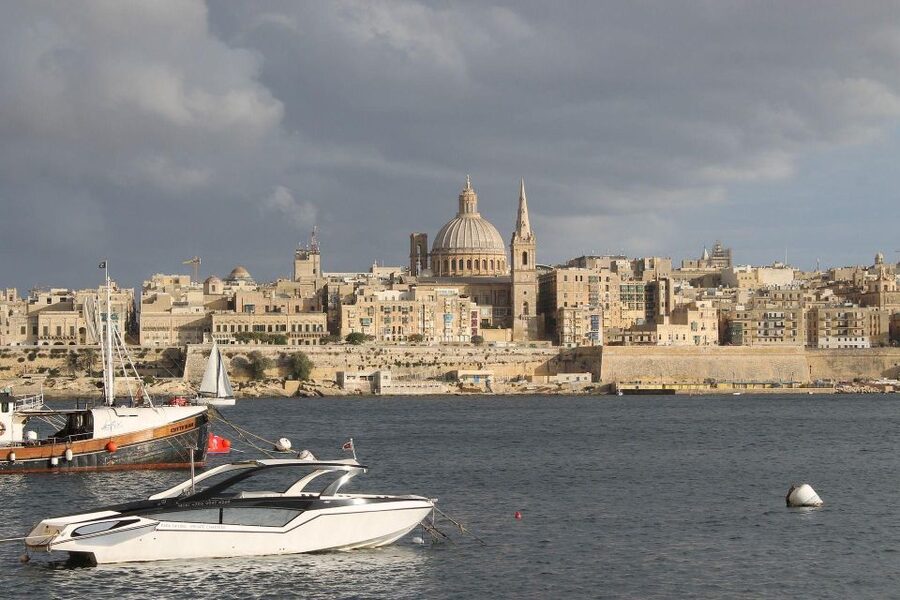
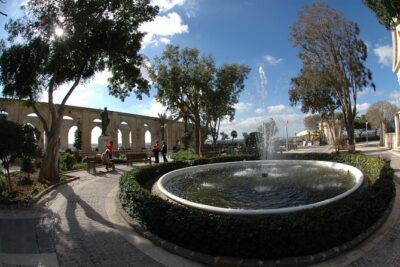
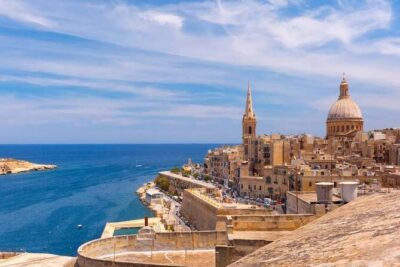
Hastings Gardens provides a change of pace from the close streets and heavy stone buildings. Here, you can look out toward Floriana, Msida, Sliema, and Manoel Island.
This viewpoint is valuable because Valletta can be hard to understand from street level. The gardens let you see the relationship between the capital and the surrounding areas. You gain a broader picture of Malta’s urban setting instead of viewing each fortification or street as a separate piece.
The stop also offers a quieter moment in a tightly scheduled tour. Use it to ask your guide about the places in view. The tour specifically includes a panoramic look across these areas, but it does not promise a long rest break or extended photography time. If you want detailed photos, keep an eye on the clock.
The gardens are especially useful near the end of a short introduction. After walking through squares, churches, and pedestrian streets, the view gives you a chance to connect the city’s parts.
Manoel Theatre and Valletta’s cultural life
The itinerary includes a stop at Manoel Theatre, described as Europe’s third-oldest working theatre. That detail adds welcome variety to a tour otherwise centered on fortifications, religious buildings, and political history.
A theater tells a different story about a capital. It points to music, performance, social gatherings, and the cultural life that developed alongside the Knights’ government and military concerns.
The information provided does not say that the tour includes an interior visit or a performance. Plan to see it as an exterior or contextual stop unless your guide tells you otherwise. If you want to attend a show or inspect the theater inside, you would need to arrange that separately.
Still, including the theater helps keep the tour from becoming a procession of stone walls. Valletta’s story includes entertainment and everyday culture, not only sieges and rulers.
Wartime Valletta and stories of survival
One of the strongest themes is the impact of Second World War bombings on Valletta. This gives the walk a modern historical layer and explains why the city’s story does not end with the Knights.
The guide is expected to discuss the damage caused by bombing and the city’s resilience afterward. That context matters because a historic capital can look perfectly preserved at first glance, while its buildings and communities may have endured major disruption.
You should listen for how the war changed daily life, not only for military facts. The tour promises insight into ordinary life in Valletta and how different nations shaped Malta’s destiny. That combination can help you see the island as a place caught between larger powers, rather than as a backdrop made only for sightseeing.
The exact wartime sites and the amount of time devoted to them are not specified. If this subject is your main reason for booking, tell the guide at the start. The private format allows possible customization on the spot, and this is one of the best ways to make the short walk suit your interests.
Local legends, crusades, and cloak-and-dagger tales
The tour also leans into stories of crusades, knights, local legends, and cloak-and-dagger intrigue. That style of storytelling can make Valletta easier to remember, provided the guide keeps the tales connected to real places.
I like this approach for a first visit. Dates and titles are useful, but a legend linked to a square or street gives you a reason to look around. It also turns the route into a sequence of scenes rather than a lecture.
The private setting should help here. With only your group present, you can ask for clarification or request more stories about a particular building. The guide is listed as a local professional, but no individual guide’s name is provided, so you cannot choose a particular person in advance from the available information.
Keep your expectations sensible. In 90 minutes, the tour can introduce the main themes, but it cannot tell every story behind every stone. Think of the legends as a way into Valletta, not a complete account of its past.
What the $294 price really means
The price is $294 per group of up to 15 people. At the maximum group size, that works out to about $19.60 per person. For a full family group or a larger party of friends, that can be a fair price for a private guide.
For two people, the same total costs $147 per person. For four people, it is $73.50 each. That makes the value depend heavily on your group size and how much you care about having the guide to yourselves.
The private format is the main reason to consider the cost. You are not paying for transportation, a meal, or included admissions. You are paying for a local professional guide, a focused route, and the chance to adjust the tour on the spot.
St. John’s Co-Cathedral entrance fees are extra, and the information does not list any other included admissions. If you want a budget-friendly visit, compare the total price with a group tour or a self-guided walk. If you want personal attention and your party has several people, this option makes more financial sense.
You can reserve now and pay later, and free cancellation is available up to 24 hours in advance for a full refund. Those terms are useful if your Malta schedule may change, but they do not alter the basic value calculation: the bigger your group, the better the per-person price.
Who should book this Valletta walk?
I would recommend it for a first visit to Valletta, especially if you want the main historical structure explained quickly. It also suits families, couples, and groups of friends who prefer a guide dedicated to them rather than a fixed public group.
It is a good fit if you enjoy stories about the Knights of St. John, local legends, wartime history, and the way different nations shaped Malta. The view from Hastings Gardens and the stop at Manoel Theatre give the route some variety.
I would be more cautious if you want long interior visits, detailed art history, or a slow photography walk. The 1.5-hour schedule is tight, entrance fees are separate, and the available details do not promise entry into every site.
Final verdict: a useful first look at Valletta
Book this tour if you want a private, story-led introduction to Valletta and can gather enough people to make the group price work. Palace Square, St. John’s Co-Cathedral, Republic Street, City Gate, Hastings Gardens, and Manoel Theatre create a strong route through the capital’s main themes.
Skip it if you prefer to explore entirely at your own pace or want extensive time inside the cathedral and other buildings. For most first-time visitors, though, the tour offers a sensible orientation, clear historical context, and a practical way to understand why Valletta’s small center carries so much history.
FAQ
Where does the Valletta Private Walking Tour meet?
The meeting point is in Palace Square, by the music fountain, in the Grandmaster Palace Courtyard, Valletta, Malta.
How long does the walking tour last?
The tour lasts 1.5 hours.
How much does the tour cost?
The listed price is $294 per group of up to 15 people.
Is this a private tour?
Yes. It is a private group experience, and the guide will be with your group only.
What language is the tour conducted in?
The live tour guide speaks English. English is the only listed guide language.
Is St. John’s Co-Cathedral admission included?
No. Entrance fees are not included in the tour price.
What sights are included in the walk?
The route includes Palace Square, St. John’s Co-Cathedral, Republic Street, City Gate, Hastings Gardens, and Manoel Theatre.
Does the tour discuss the Second World War?
Yes. The tour includes discussion of the impact of Second World War bombings on Valletta and the city’s resilience.
Can the tour be customized?
Possible customization may be arranged with the local guide on the spot.
Can I cancel for a full refund?
Yes. You can cancel up to 24 hours in advance for a full refund.
Just added in Valletta
- World War II Malta Full-Day Walking Tour★ 4.3 · 18 reviews
- Malta: 5 hr Vintage Bus Tour – Mdina & Blue Grotto inc. food★ 5.0 · 22 reviews
- Valletta: Private Walking Tour With A Guide ( Private Tour )★ 5.0 · 1 review
- Valletta: Private Maltese Cuisine Walking Tour★ 4.8 · 8 reviews
- Afternoon Harbours Cruise with Guide and Roundtrip Transfers★ 3.4 · 11 reviews
- Valletta & Mdina: Private Tour★ 4.5 · 16 reviews
- Valletta: Guided Walking Tour★ 3.8 · 5 reviews
- Valletta : Highlights & Hidden Gems Walking Tour★ 3.1 · 5 reviews
Walking Tours in Valletta, compared.


Browse the lists this tour appears in