
Review · MDINA AND RABAT TOURS
Palazzo Falson Historic House Museum entrance ticket
Old Malta keeps its secrets well. Inside Palazzo Falson, you get a rare look at how an aristocratic Mdina residence worked, room by room, while also seeing the remarkable collection built by its last owner. I especially like the house’s genuine sense of place and the sheer variety of objects on display, from 17th-century paintings to silver, armour, rugs, and old books.
I also like that the $15 admission includes an audio guide in six languages and printed information in many more. The main drawback is that this is a quiet, self-guided museum rather than a lively tour with a named guide, so you need to bring your own curiosity and allow time to read, listen, and look closely.
In This Review
- Key things to know before entering Palazzo Falson
- Entering one of Mdina’s oldest homes
- From Michele Falson to the Knights of St. John
- Olof Gollcher’s collector’s house
- Seventeen rooms, forty-five collections
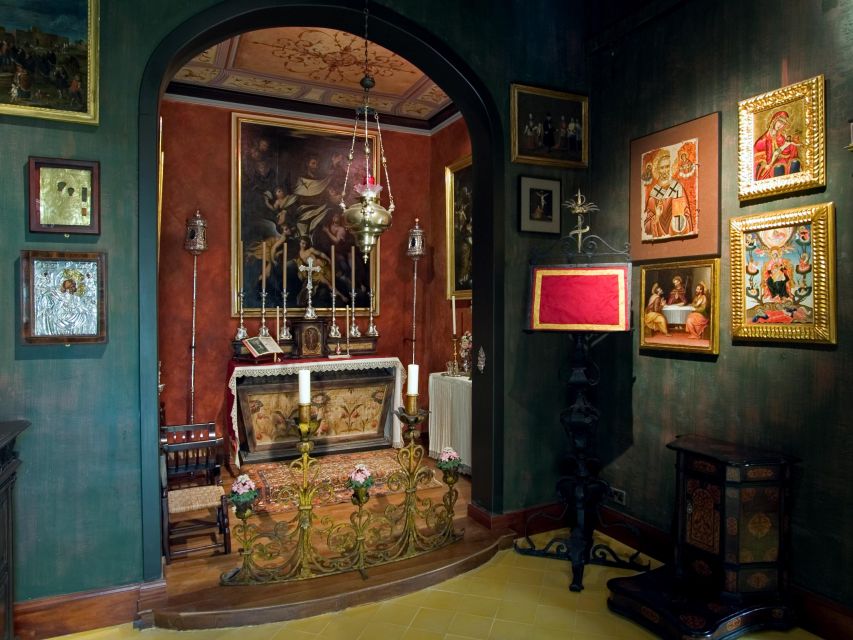
- Paintings with serious art value
- Silver, jewellery, and furniture
- Oriental rugs and armoury
- Books and manuscripts
- How the audio guide changes the visit
- The rooftop terrace and Mdina views
- Is $15 good value?
- Who will enjoy Palazzo Falson most?
- Practical advice for a better visit
- Should you book Palazzo Falson?
- FAQ
- How much does admission to Palazzo Falson cost?
- How long is the ticket valid?
- Is an audio guide included?
- Are printed materials available in other languages?
- How many rooms are open as part of the house museum?
- Can children visit Palazzo Falson?
- Can I cancel my booking for a refund?
Key things to know before entering Palazzo Falson
- Palazzo Falson is the second oldest building still standing in Mdina, with origins reaching back to the early 13th century.
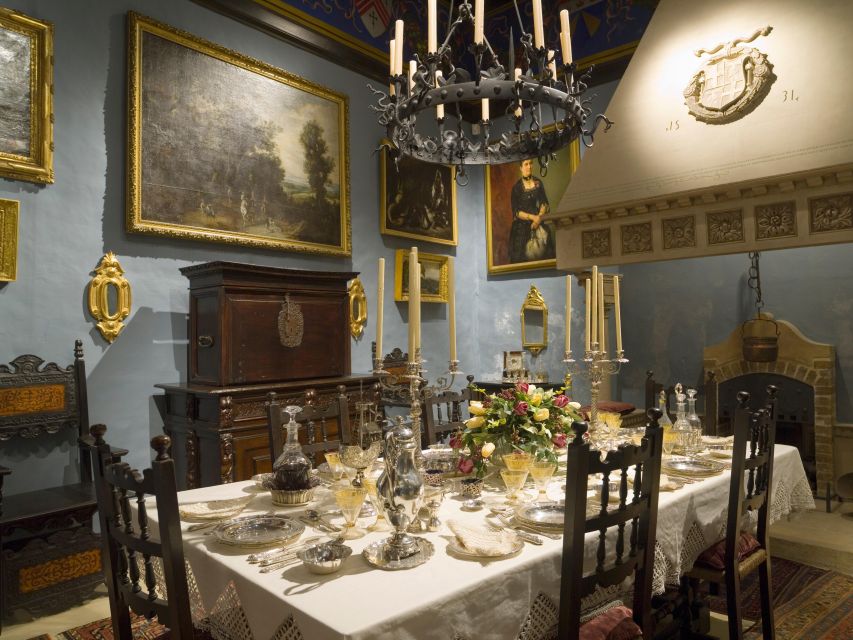
- Forty-five collections fill 17 rooms, giving you much more than a simple visit to an old house.
- More than 3,500 objects are displayed, including jewellery, furniture, silver, weapons, rugs, and paintings.
- The library contains over 4,500 books, along with valuable manuscripts.
- The upper-floor cafeteria terrace has broad views of Mdina and beyond, making it a pleasant place to pause after the house.
- Admission is valid for one day, and cancellation is free up to 24 hours before the visit.
Entering one of Mdina’s oldest homes
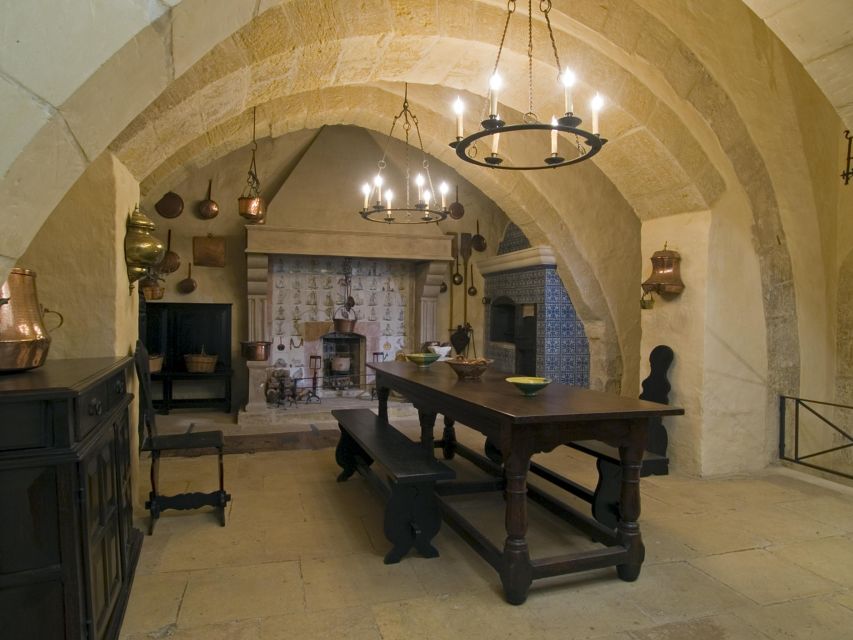
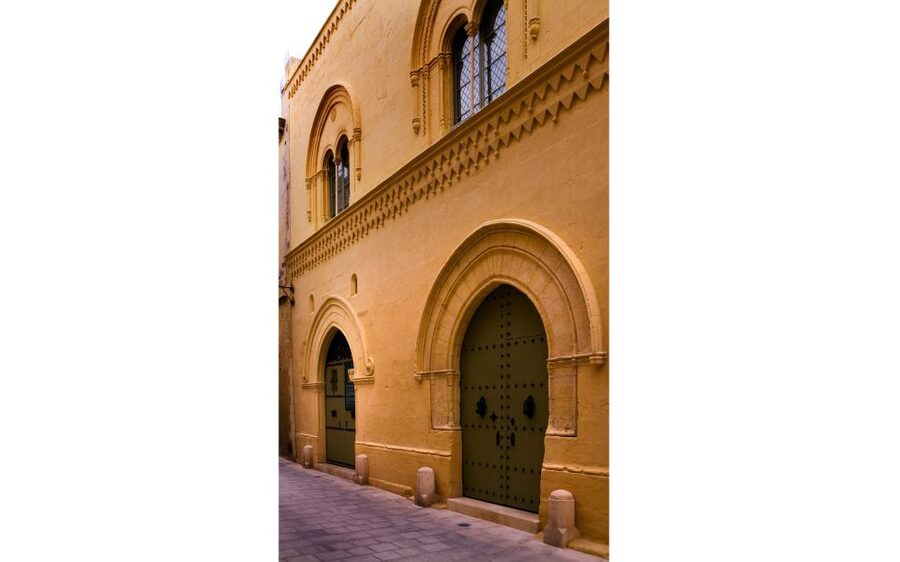
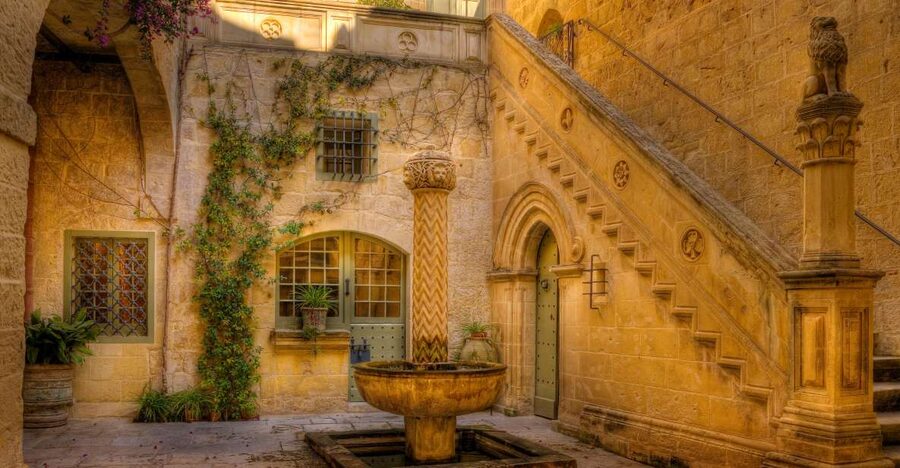
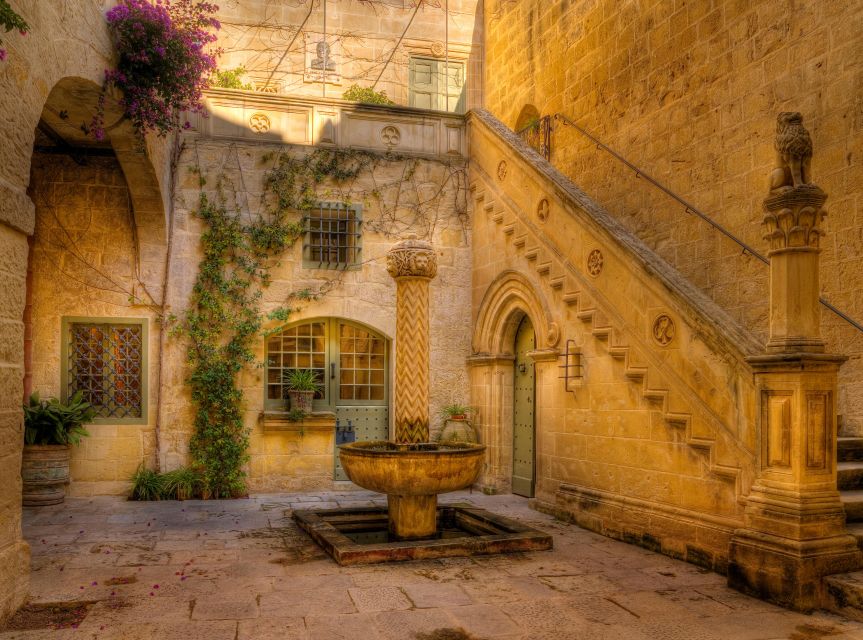
Palazzo Falson is not a grand palace in the sense of vast ceremonial halls and endless gardens. Its appeal is more intimate. This is a medieval urban home built around an internal courtyard, with rooms arranged for family life and daily use.
The building began in the early 13th century as a two-storey palace influenced by buildings in Sicily. Maltese noble families used this kind of residence as both a home and a marker of status. The architecture gives you a useful sense of how important families lived inside Mdina’s fortified walls.
As you move through the house, look at the way the rooms wrap around the courtyard. The rooms at the back are the oldest part of the building. The upper piano nobile, or noble floor, held the main living quarters. That arrangement helps you read the building as a home rather than as an empty historic shell.
I find this setting more rewarding than a museum where the objects have been removed from their original surroundings. Here, the furniture, paintings, books, and decorative pieces are shown inside the kind of residence they were meant to occupy.
The house was known by several names over time, including Palazzo Cumbo-Navarra, Casa dei Castelletti, and the Norman House. Those names reflect the layers of ownership and local history attached to the building. The present name comes from the Falson family, who inherited the property in the early 16th century.
More Mdina and Rabat tours:
- Malta: Highlights of Malta & Mdina Full Day Tour with Lunch
★ 4.4 · 2,688 reviews - Malta: Mdina and Rabat Walking Tour with Catacombs
★ 4.8 · 1,126 reviews - Malta: Mdina, Dingli Cliffs and San Anton Botanical Gardens
★ 4.3 · 991 reviews
From Michele Falson to the Knights of St. John
One of the most memorable historical details connected with the house is the role of Michele Falson. He was Vice Admiral and Head of Mdina’s Town Council when the property came into his family.
In 1530, Malta was handed to the Knights of the Order of St. John by Emperor Charles V. After the first Grand Master in Malta, Philippe Villiers de L’Isle Adam, formally took possession of Mdina on November 13, he was hosted by Maltese nobles at Palazzo Falson.
That small detail gives the building unusual importance. You are not simply walking through an old noble home. You are standing in a place connected with a major change in Malta’s political story.
The museum does not need to turn every room into a dramatic set piece. The building itself, combined with the audio guide, lets you connect the rooms to the people who lived there and the events that shaped Mdina.
Olof Gollcher’s collector’s house
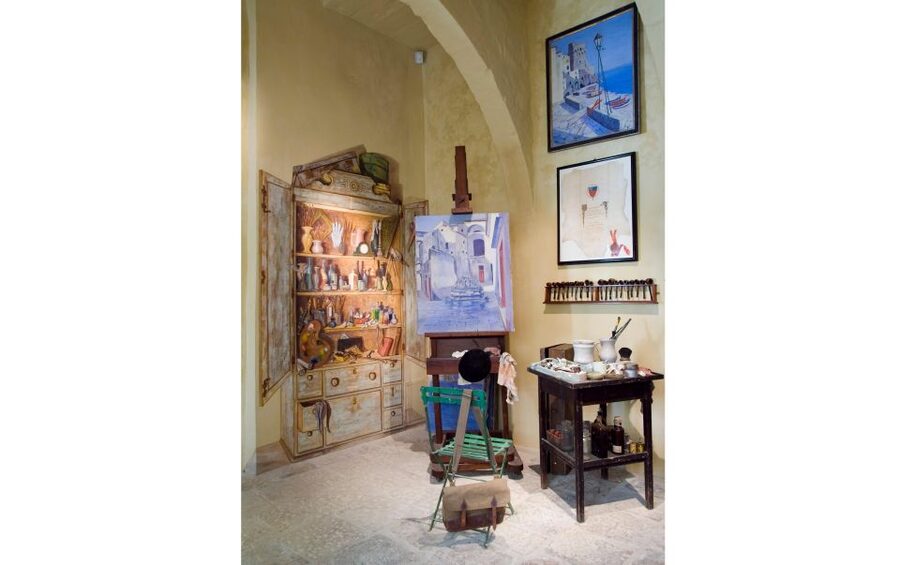
The person most responsible for the museum you see today was Captain Olof Frederick Gollcher, who lived from 1889 to 1962. He was of Swedish descent and was known as an artist, researcher, philanthropist, and collector.
Gollcher did not collect just one type of object. His interests ranged widely, which explains why Palazzo Falson feels like several museums in one. You move from fine art to silver, then to books, furniture, armoury, jewellery, Oriental rugs, and manuscripts.
I like this lack of uniformity. A single-focus museum can be easier to absorb, but Gollcher’s house gives you a more personal view of collecting. The objects tell you as much about the collector’s interests as they do about the periods in which they were made.
The collection includes over 3,500 objects divided into 45 specific groups across 17 rooms. That number matters because it changes how you should plan your visit. You can walk through quickly in under an hour, but you will miss much of what makes the museum special. If you enjoy old houses, paintings, books, or decorative arts, allow yourself time to pause.
The house reopened to the public in May 2007 after a major restoration by Fondazzjoni Patrimonju Malti, the Maltese Heritage Foundation. The restoration allowed the building and its collections to function together again as a public museum.
Seventeen rooms, forty-five collections
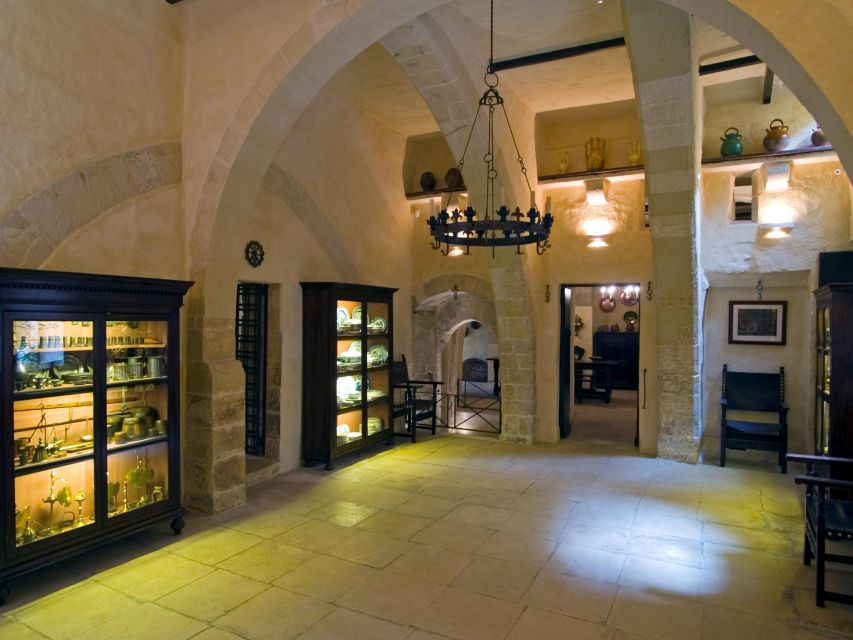
The best way to approach Palazzo Falson is to treat each room as a small chapter. Do not focus only on the most impressive painting or the oldest-looking piece. The pleasure comes from noticing how the different collections sit beside one another.
More Museum Tours in Mdina and Rabat:
- Mdina: St. Paul’s Cathedral and Mdina Museum Entrance Ticket
★ 4.5 · 89 reviews - Mdina: The Knights of Malta Museum Entry Ticket
★ 4.3 · 63 reviews - Malta Classic Car Collection Museum Entry Ticket
★ 4.9 · 247 reviews - Skip the Line: Malta Classic Car Museum Admission Ticket
★ 5.0 · 174 reviews
Paintings with serious art value
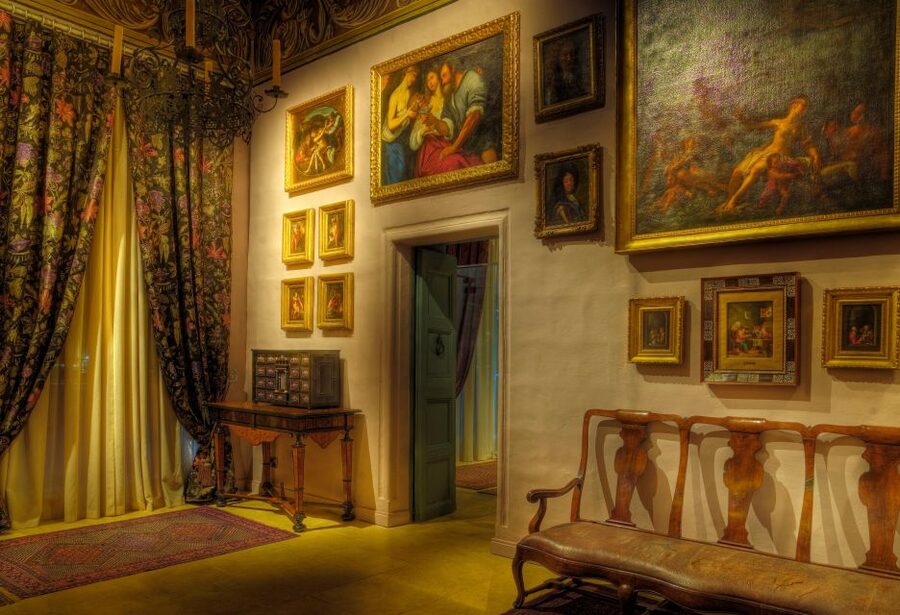
The painting collection includes significant works from the 17th century. Several are attributed to artists such as Mattia Preti, Jusepe de Ribera, Jakob-Ferdinand Voet, Charles Beale, and Juriaen van Streeck.
Those names give the collection weight, but you do not need to be an art specialist to enjoy it. The audio guide can help explain why certain paintings matter, while the house setting lets you see them as part of a private collection rather than as isolated pictures in a modern gallery.
I would spend extra time with the paintings if you have an interest in Baroque art. The 17th century was a period of strong contrasts, dramatic lighting, and expressive figures, and works from this era can reward close looking. Notice the faces, fabrics, objects, and use of shadow before moving on.
Silver, jewellery, and furniture
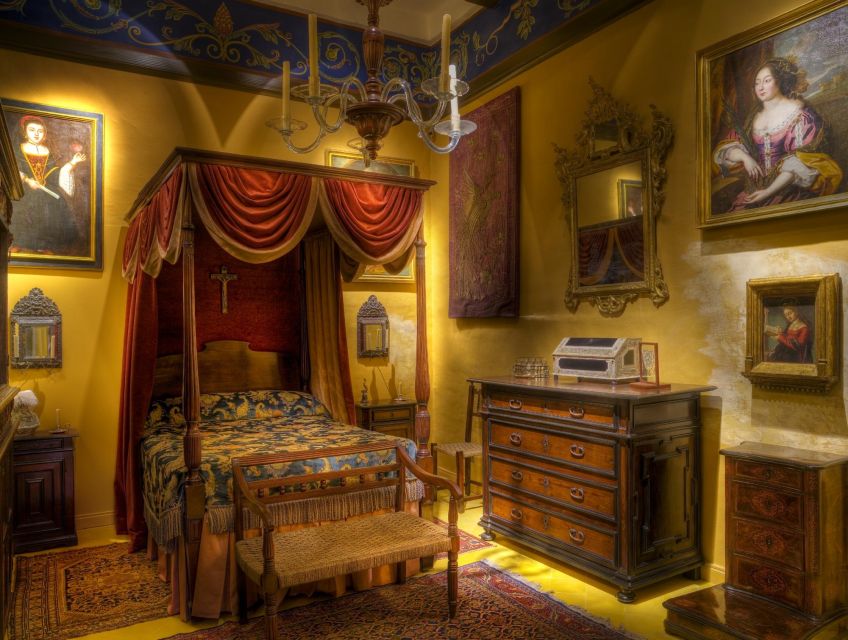
Silver and jewellery show a different side of the home. These pieces speak to wealth, taste, ceremony, and practical household life. Furniture does something similar, but on a larger scale. It helps you imagine how rooms were used and how a noble household displayed its position.
The collection is not only about precious materials. The value is also in the craftsmanship and the way the pieces work with the rooms around them. A table, cabinet, or decorative object can tell you more about daily life than a large wall label ever could.
Oriental rugs and armoury
Oriental rugs add warmth and color to the interiors, while the armoury brings a harder, more functional note. The contrast is useful. A noble residence was not just a place for paintings and formal furniture. It also reflected security, status, travel, and the practical concerns of its owners.
The armoury collection may appeal most to visitors interested in military objects, but even a casual viewer can use it to understand the range of Gollcher’s interests. It keeps the museum from feeling like a single period or a single style.
Books and manuscripts
The library contains more than 4,500 books, as well as valuable manuscripts. For me, this is one of the most important parts of the collection, even if books do not grab your attention as quickly as paintings or armour.
A personal library reveals what someone wanted to preserve, study, and pass on. It also reminds you that collecting is not limited to objects that look beautiful in a display case. Books carry ideas, records, and memories.
If you are short on time, do not rush past the library. The collection adds depth to the story of Gollcher as a researcher and collector. It shows a mind interested in more than decoration.
How the audio guide changes the visit
The included audio guide is available in English, French, German, Italian, Maltese, and Spanish. Printed information is available in an even wider range of languages, including Arabic, Chinese, Czech, Dutch, Greek, Hungarian, Japanese, Polish, Portuguese, Russian, Slovak, and Swedish.
That language choice makes the visit easier to shape around your needs. I would use the audio guide at a measured pace rather than trying to finish it as quickly as possible. Listen in the rooms where the architecture or collection needs context, then spend quiet time looking on your own.
The English host or greeter can help with the basic welcome, but the main visit is designed around independent exploration. That is a strength if you prefer setting your own pace. It is less suitable if you want constant conversation, questions, or a guided group atmosphere.
Because the ticket is valid for one day, you have flexibility to build the museum into a broader Mdina visit. You can see the house, leave for another sight or a meal, and still use the same day to return if the admission arrangements allow. Check the available starting times when booking, since the ticket is tied to availability.
The rooftop terrace and Mdina views
After the rooms and collections, make time for the cafeteria on the upper-floor terrace. From there, you can enjoy views across Mdina and beyond.
This is not just a place to grab something after the museum. It gives you a chance to look back at the city as a whole. After seeing the interior courtyard, noble rooms, and historic objects, the terrace helps connect the house to its setting inside the old walled city.
A recent visitor paired the house visit with coffee on the rooftop. That is a sensible plan. The museum asks for attention, and a drink afterward gives you a calm pause instead of sending you straight back into sightseeing mode.
The terrace is also useful if someone in your group is less interested in collections. They can still enjoy the views and café stop while you take more time with the rooms.
Is $15 good value?
At $15 per person, Palazzo Falson is not the cheapest quick stop in Malta, but it offers strong value if you enjoy historic interiors and collections. Your ticket covers the house, 17 rooms, 45 collections, the audio guide, and access to a terrace with views.
The value is less convincing if you plan to rush through in 20 minutes. The museum’s strength is variety, and variety takes time. You are paying for the chance to see a medieval building in its original setting and a large private collection in one visit.
I would compare it with the price of a standard museum admission, but that comparison does not tell the whole story. Palazzo Falson gives you architecture, social history, decorative arts, paintings, a library, and a view. That combination makes it worthwhile for culture-focused visitors.
The included language support also improves the price. You do not need to arrange a separate guide to understand the main story, and printed material is available in many languages.
Who will enjoy Palazzo Falson most?
I would recommend this museum to you if you like old homes, private collections, European art, books, or the history of Malta’s noble families. It is also a good choice if you want a quieter Mdina experience away from the city’s broader streets.
The museum suits adults and older children who can handle a self-guided visit. Children under six are not suitable for this activity. Families with older children may find the armoury, jewellery, and unusual household objects more engaging than the paintings alone.
Art lovers should pay attention to the attributed 17th-century works. History fans will appreciate the connection with Michele Falson and the Knights of St. John. Architecture fans will enjoy the medieval layout, courtyard, and Sicilian influence.
You may want to choose another activity if you need an energetic guide, a short attraction with constant movement, or entertainment aimed at very young children. This visit rewards patience, not speed.
Practical advice for a better visit
Give yourself enough time to look at more than the obvious highlights. The large numbers, 3,500 objects and 4,500 books, can make you expect a huge public museum. In practice, the collection is spread through a historic home, so some rooms may feel dense with objects.
Use the audio guide to establish the main story, then let your own interests lead you. You might spend more time with the paintings, or you may find the library and household pieces more revealing.
Plan the rooftop café as part of the visit rather than as an afterthought. A coffee and the Mdina view provide a natural finish.
The activity is valid for one day, and you can cancel up to 24 hours in advance for a full refund. A reserve-now, pay-later option is also available, which helps if you are arranging several Malta activities and want to keep your schedule flexible.
Should you book Palazzo Falson?
Book it if you want a thoughtful look inside old Mdina, not just a quick photo stop. The medieval house, Gollcher’s wide-ranging collection, the audio guide, and the rooftop views make the $15 price reasonable for a museum visit with real variety.
Skip it if your time is extremely tight or if you prefer lively guided entertainment. For everyone else, I would allow plenty of time, listen to the guide selectively, and finish with coffee on the terrace. Palazzo Falson works best when you let the house set the pace.
FAQ
How much does admission to Palazzo Falson cost?
Admission costs $15 per person.
How long is the ticket valid?
The ticket is valid for one day.
Is an audio guide included?
Yes. An audio guide is included in English, French, German, Italian, Maltese, and Spanish.
Are printed materials available in other languages?
Yes. Printed information is available in Arabic, Chinese, Czech, Dutch, English, French, German, Greek, Hungarian, Italian, Japanese, Maltese, Polish, Portuguese, Russian, Slovak, Spanish, and Swedish.
How many rooms are open as part of the house museum?
The collections are spread across 17 rooms.
Can children visit Palazzo Falson?
Children under six are not suitable for this activity.
Can I cancel my booking for a refund?
Yes. You can cancel up to 24 hours in advance for a full refund.
More History Tours in Mdina and Rabat
- Mdina: Private Historical City Walking Tour with Rabat Town
★ 4.5 · 41 reviews - Mdina and Rabat Food and History Tour
★ 5.0 · 24 reviews - Malta: Prehistoric Temples, Limestone Heritage & Blue Grotto
★ 4.2 · 412 reviews - Maltese Islands History Audio-Visual Show and La Sacra Infermeria Tour
★ 4.0 · 344 reviews
Just added in Mdina and Rabat
- Malta: 5 hr Vintage Bus Tour – Mdina & Blue Grotto inc. food★ 5.0 · 22 reviews
- Valletta & Mdina: Private Tour★ 4.5 · 16 reviews
- Shore Excursion: Private Full-Day Tour of Valletta & Mdina★ 5.0 · 4 reviews
- Private Tour in Malta Prehistoric Temples & Mdina★ 5.0 · 4 reviews
- Private Tour in Valletta and Mdina★ 5.0 · 1 review
- Rabat Mdina and San Anton Gardens Group Tour with St. Paul’s Catacombs★ 3.5 · 16 reviews
- Valletta, Mosta and Mdina Night Tour★ 3.5 · 15 reviews
- Malta Shore Excursion: Private tour of Valletta and Mdina★ 4.5 · 8 reviews
Mdina and Rabat Tours, compared.
Highlights of Malta & Mdina Full Day Tour with Lunch
Read our review →
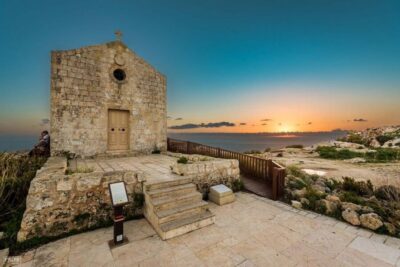
Mdina, Dingli Cliffs and San Anton Botanical Gardens
Read our review →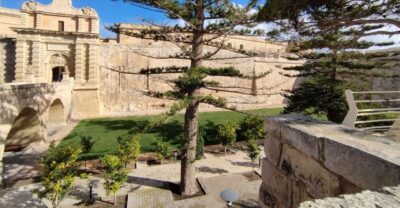



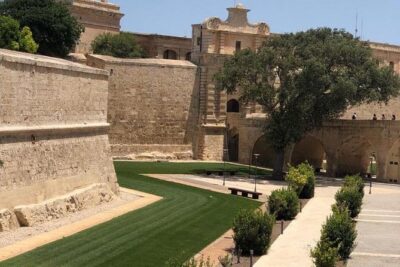
Mdina and Rabat Walking Tour inc. Catacombs and St. Paul’s Grotto
Read our review →Browse the lists this tour appears in