
Review · THREE CITIES TOURS
Three cities walking tour incl. entrance to Inquisitor’s palace
History gets personal in Birgu. This small-group walking tour brings you through Malta’s oldest fortified streets, into the Inquisitor’s Palace, and out to the Grand Harbour for a useful first look at Vittoriosa. I especially like the clear focus on Birgu and the included palace admission. The main caution is that the tour covers a lot on foot, often in strong sun, and the listed group size is not perfectly consistent.
The tour costs about $30.77 per person and runs from roughly 10am to 1pm, although the stated duration is about two and a half hours. I like that it works well for a first visit or a tight schedule. You should also know that hotel pickup, food, drinks, and entry to Fort St. Angelo are not included.
In This Review
- Key points to know before you book
- Why Birgu deserves a place beside Valletta and Mdina
- Meeting at Café Riche and entering through Couvre Porte
- The Collacchio: Birgu’s oldest quarter
- The Inquisitor’s Palace and the darker side of Maltese history
- A Siculo-Norman house and the Knights’ quarter
- Main Square, Victory Square, and wartime Birgu
- Fort St. Angelo, St. Lawrence Church, and the harbor
- The Freedom Day Monument and what happens after the walk
- How much walking and heat should you expect?
- Is $30.77 good value?
- Who will enjoy this Birgu tour most?
- Should you book the Three Cities walking tour?
- FAQ
- How long does the walking tour last?
- Where does the tour begin?
- Where does the tour end?
- Is admission to the Inquisitor’s Palace included?
- Is admission to Fort St. Angelo included?
- What is included in the tour price?
Key points to know before you book
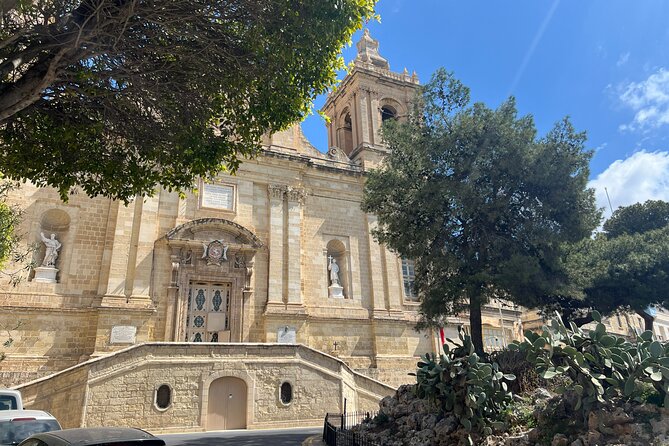
- The Inquisitor’s Palace is the main indoor stop: Your guide explains the Inquisition inside the actual palace, including its courts, chambers, and methods of punishment.
- Birgu is the real focus: This is called a Three Cities tour, but most of the walking takes place in Vittoriosa, also known locally as Birgu.
- Expect a small walking group: The tour is promoted for up to 15 people, while the additional booking information allows a maximum of 25.
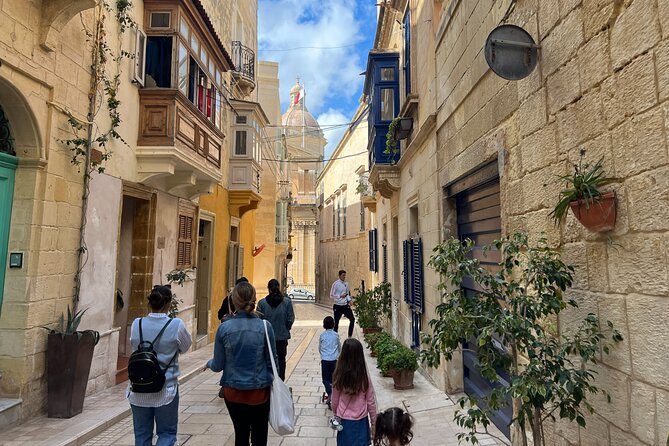
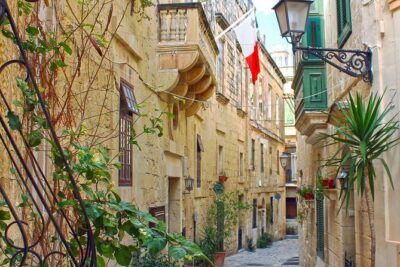
- The medieval Collacchio gives the tour its atmosphere: Narrow lanes, old houses, city gates, and former knights’ quarters make this more than a parade of monuments.
- The waterfront is a strong finish: You get views toward Fort St. Angelo, the harbor, the Malta Maritime Museum, and the surrounding Three Cities.
- Arrive early and find Café Riche: The meeting point is by the main entrance next to the café, a detail worth confirming before you set out.
Why Birgu deserves a place beside Valletta and Mdina
Malta’s Three Cities are Vittoriosa, Senglea, and Cospicua. This tour concentrates on Vittoriosa, the city often called Birgu by locals. That distinction matters. You are not walking through all three towns in equal detail. Instead, you get a close look at the oldest and most layered part of the group.
Birgu was a fortified seaport long before Malta became a modern holiday island. Its position beside the Grand Harbour made it important to military powers, religious authorities, merchants, and naval forces. The result is a compact town where a medieval lane may lead to a grand church, a defensive wall, or a palace connected with the Knights of St. John.
I like this tour as a companion to a visit to Valletta and Mdina. Valletta gives you monumental streets and grand civic buildings. Mdina gives you a walled hilltop setting. Birgu feels more intimate and irregular. It is a place for looking closely at doorways, stonework, old quarters, and the way the town meets the water.
The walking tour also helps explain how the Three Cities relate to one another. That is useful because the names can be confusing at first, especially when Vittoriosa and Birgu are used for the same place.
More Three Cities tours:
- From Sliema: Valletta and the Three Cities Scenic Cruise
★ 4.3 · 763 reviews - Valletta & Three Cities Harbour Cruise
★ 4.0 · 239 reviews - From Cospicua: Senglea, Bormla, and Birgu Walking Tour
★ 4.9 · 138 reviews
Meeting at Café Riche and entering through Couvre Porte
The tour begins near Café Riche at the main entrance to Birgu. The first stop is brief, but the meeting point deserves attention. One booking note describes the starting place as the gate, while practical directions point you toward the café entrance. If you are unsure, look for the guide near Café Riche rather than wandering around the larger gate area.
Arriving early is sensible. One past participant particularly liked the café’s courtyard and suggested coming ahead of time for a drink or meal. That makes the meeting point more pleasant, but do not confuse time at the café with part of the guided tour.
The route enters Birgu through the Couvre Porte area, sometimes described as the Advanced Gate. This is an effective beginning because you pass through the defensive threshold into the old town instead of starting in an ordinary modern street.
Your guide first gives you the basic story of Birgu as a fortified harbor city. That short introduction helps the rest of the walk make sense. You will hear names connected with the city’s military and religious past, then move into the tighter lanes of the old quarter.
The Collacchio: Birgu’s oldest quarter
The Collacchio is the atmospheric heart of the walk. This medieval quarter has the maze-like streets that make a guided tour worthwhile. Without a guide, you can certainly enjoy the stone lanes, but you may miss why a particular building matters or how the street plan reflects Birgu’s earlier life.
The tour pauses around Casa Collacchio and other old structures. The aim is not simply to take you from one famous building to the next. Your guide connects houses, churches, and former institutional buildings with the people who used them.
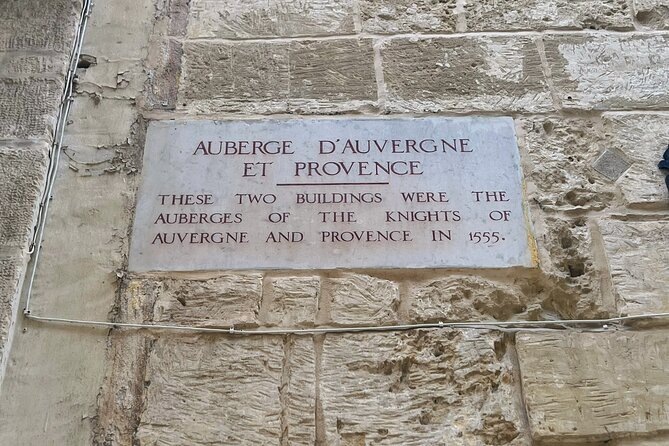
One particularly useful part of the experience is the attention to the former quarters of the Knights of St. John. At the Auberge d’Angleterre, you see an area linked with the knights’ residence and organization. The stop is free to view from outside, so its value comes from the explanation rather than admission access.
This is also where the quality of the guide matters most. Guides such as Matthew and Alizea have been praised for explaining the town clearly without reading from notes. Alizea has also shared family stories connected with the area, which gives the old streets a more human scale. Those personal details can make a difference in a place where dates and military names quickly begin to blur.
The Inquisitor’s Palace and the darker side of Maltese history
The Inquisitor’s Palace is the tour’s only clearly included paid entrance, and it is the most substantial stop. First, you pause outside to understand the building’s place in Birgu. Then you spend about 20 minutes inside with admission covered.
The palace was connected with the Roman Catholic Inquisition in Malta. Inside, your guide explains how investigations, judgments, and punishments worked. The experience is not light sightseeing. You may see the rooms associated with questioning and legal decisions, along with methods used to force confessions.
I value the guided explanation here because the subject can easily become a quick list of grim facts. A good guide gives the building a human and moral context. The palace shows how religious authority and legal power operated in the same setting, and it can prompt you to think about justice in your own time.
The visit is not especially long, so listen closely. The palace segment is designed as part of a larger walk, not as a complete museum visit with hours to explore every room. If this is the one attraction you most want to study in detail, you may wish to return independently.
The palace itself also breaks up the outdoor walking. That matters on a hot day. The route keeps moving, but the indoor stop gives you a short change of pace before you continue through Birgu.
More Walking Tours in Malta:
- The Original Valletta Walking Tour
★ 5.0 · 2,719 reviews - Valletta: 3-Hour Walking Tour
★ 4.7 · 1,605 reviews - Valletta: Guided City Walking Tour
★ 4.8 · 1,256 reviews - Valletta: Street Food and Culture Walking Tour
★ 4.8 · 1,251 reviews
A Siculo-Norman house and the Knights’ quarter
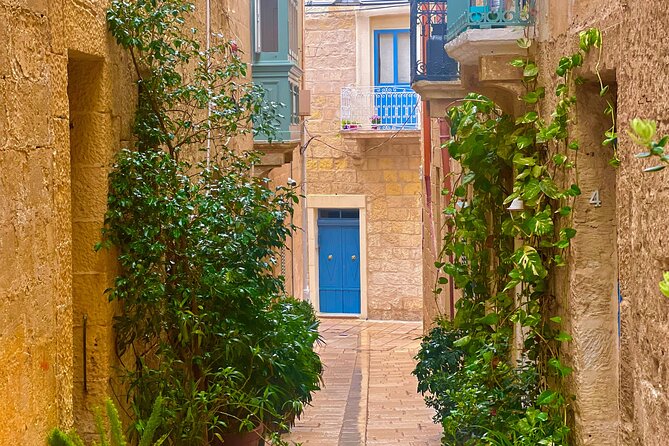
The next stop is a Siculo-Norman building believed to date from the 13th century. It is described as one of the oldest buildings in Birgu and now functions as a museum. The tour may enter if it is open, and the entry is listed as included.
Because opening conditions can affect this stop, treat it as a welcome extra rather than the main reason to book. If access is available, the building adds an earlier layer to the story, before the later military and religious institutions that dominate so much of Birgu’s identity.
The walk then continues toward the Auberge d’Angleterre. You do not need to enter a major museum here to get value from the stop. The guide’s explanation helps you picture how the Knights of St. John organized themselves in the city and how Birgu functioned as more than a residential neighborhood.
This is a good stretch for questions. The small-group format makes it easier to ask about Malta’s shifting rulers, religious institutions, or everyday life. The tour’s strongest guides have been praised for answering questions without rushing the group.
Main Square, Victory Square, and wartime Birgu
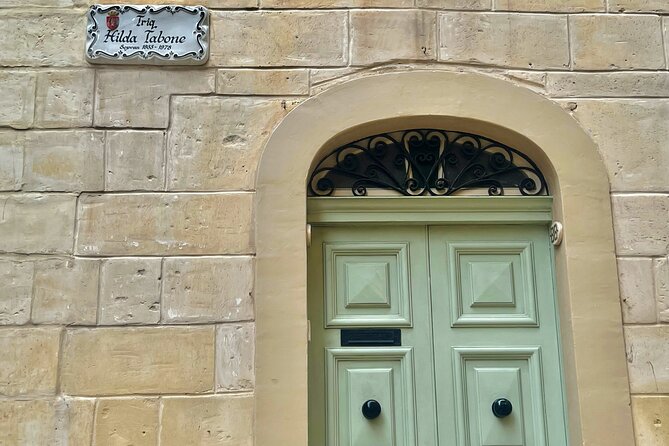
A short break in Birgu’s Main Square gives your feet a rest and provides a natural pause in the route. This is one of the practical strengths of the tour. The walk is active, but it is not presented as a nonstop march.
The itinerary also includes Victory Square and an explanation of Birgu during World War II. Malta’s position in the central Mediterranean made it a major military target, and the town’s earlier defenses took on new importance during the war.
The wartime section gives the tour a more recent focus. Without it, Birgu might seem trapped in the age of knights and fortifications. Instead, you see that the same streets and harbor continued to shape local life centuries later.
I would pay attention here if you want more than postcard views. The tour links grand events with the town’s residents and built environment. It helps you see Birgu as a living place rather than an open-air monument.
Fort St. Angelo, St. Lawrence Church, and the harbor
Fort St. Angelo appears as an important viewpoint and historical reference. The guide explains why this is considered the oldest fortification in the Grand Harbour area. The tour does not include admission to the fort, so you should not expect an interior visit.
That limitation is easy to understand once you see how much ground the walk already covers. You get an outside view and context, then continue rather than spending a large part of the morning inside the fort. If Fort St. Angelo is a top priority, plan a separate visit and check its admission arrangements.
St. Lawrence Church is another important stop. You pause to admire the parish church and hear about its role in Birgu. The church adds a religious and community dimension to a route otherwise shaped by fortifications, palaces, and naval power.
The Malta Maritime Museum is also included as a photo stop. Again, the tour does not promise an interior museum visit. Its position near the water makes it a useful landmark while your guide explains Birgu’s connection to ships, defense, and the Grand Harbour.
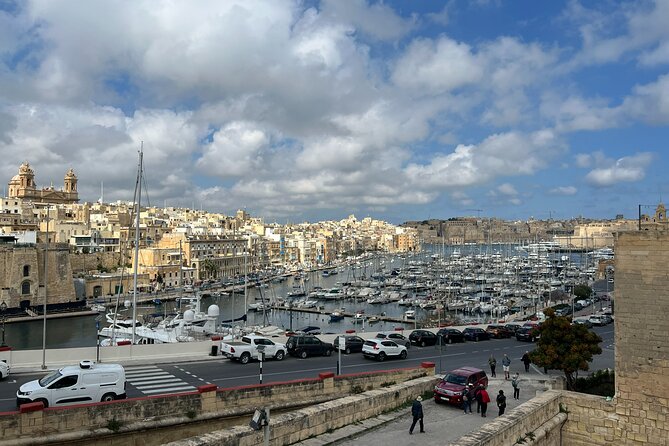
The Vittoriosa Waterfront is one of the most enjoyable parts of the route. Here you get open views after the enclosed streets of the Collacchio. It is a good place for photographs, with Fort St. Angelo and the harbor providing a strong backdrop.
The Freedom Day Monument and what happens after the walk
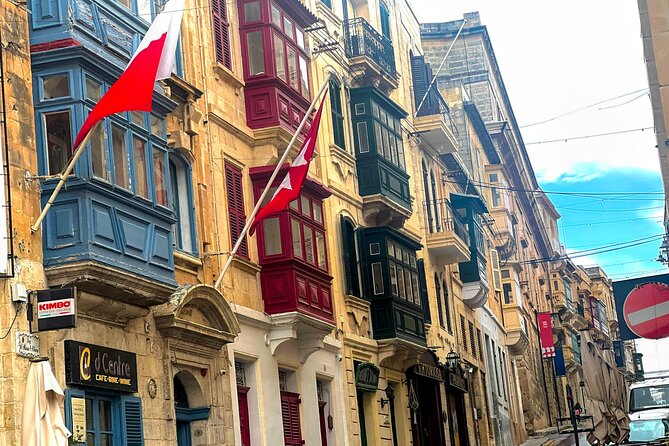
The tour ends near the Freedom Day Monument in Birgu. The final stop provides an introduction to the Three Cities and ties the walk back to Malta’s more recent political story.
Ending by the water is convenient. You are not left at an isolated attraction or returned to the starting gate. You can continue exploring Birgu, find a place to eat, or make your way toward the ferry connection.
An optional ferry can take you from the Three Cities back to Valletta. The ferry is not included in the tour price, but it can be a pleasant way to continue your day if you are staying or sightseeing in Valletta. The guide can also offer advice on food and transportation, which is useful when the walk finishes around lunchtime.
How much walking and heat should you expect?
The route lasts around two and a half hours by the stated duration, with the schedule describing a 10am departure and an end around 1pm. That difference is minor, but leave yourself three hours so you are not rushing afterward.
You will walk through narrow lanes, squares, waterfront areas, and historic streets. The route includes breaks, photo stops, and the indoor palace visit, but it remains a walking tour. Comfortable shoes are a good idea.
Malta can be intensely sunny, and one guide kept the group moving between shaded areas during blazing heat. That is a sign of thoughtful guiding, but it also tells you what to expect. Bring water, use sun protection, and consider the morning start a benefit rather than a nuisance.
The group is promoted as limited to 15 people, which should make it easier to hear the guide and ask questions. The general booking details allow up to 25 people, so the final size may vary. If a very small group is essential to you, confirm the expected size before booking.
Is $30.77 good value?
At about $30.77 per person, the tour offers solid value if you want orientation, local context, and one included museum entrance. The Inquisitor’s Palace admission is the clearest cost benefit, but the guide is what makes the price worthwhile.
You are paying for a professional English-speaking guide, a planned route through a confusing historic town, and explanations that connect the buildings. You are not paying for transportation, lunch, drinks, Fort St. Angelo admission, or a full museum day.
The value is strongest for first-time visitors who would otherwise pass through Birgu quickly. It is also a sensible choice if you have already seen Valletta and Mdina and want a guided introduction to another side of Malta.
If you prefer to wander slowly, stop for long meals, or spend an hour inside each attraction, this schedule may feel too structured. The tour gives you a broad, well-paced introduction rather than unlimited time at individual sites.
Who will enjoy this Birgu tour most?
I would recommend it to first-time visitors, couples, families, and solo visitors who want an easy way to understand Birgu’s layout and past. The small-group approach should suit anyone who likes asking questions instead of listening to a distant guide with a large crowd.
It also works well as a follow-up to Valletta and Mdina. One four-star assessment found it worthwhile as a third historic walking tour, though less engaging than those other two city tours. That is a fair expectation. Birgu’s appeal is quieter and more detailed.
The tour is not limited to specialists. Most people can take part, service animals are allowed, and the meeting point is near public transportation. Still, you should be comfortable walking for several hours and managing outdoor conditions.
The best guides bring real warmth to the route. Matthew has been praised for giving a clear, unhurried introduction to Birgu. Alizea has been praised for her passion, local background, and family stories. Guide assignments can change, so treat those names as examples of the tone you may receive, not a guarantee.
Should you book the Three Cities walking tour?
Book it if you want Birgu explained rather than simply photographed. The included Inquisitor’s Palace, medieval Collacchio, former knights’ quarters, wartime stories, and Grand Harbour views make a well-rounded morning for the price.
I would skip it only if you have already explored Birgu in detail, dislike guided schedules, or want to enter Fort St. Angelo and the Maritime Museum. Those attractions are seen from outside or discussed, not fully visited.
For most first-time visitors, this is an efficient and well-priced introduction to Vittoriosa. Arrive early at Café Riche, confirm the exact gate meeting point, prepare for sun, and leave room afterward for lunch or the ferry to Valletta. Free cancellation is available up to 24 hours before the start time, which gives you some flexibility when planning.
FAQ
How long does the walking tour last?
The experience is listed as approximately two hours and 30 minutes, while the schedule runs from a 10am departure to around 1pm. Plan on roughly three hours.
Where does the tour begin?
The meeting point is at Café Riche on Triq P. Boffa in Birgu, near the main entrance. Practical directions indicate meeting by the café entrance and Couvre Porte area.
Where does the tour end?
The tour ends near the Freedom Day Monument in Birgu.
Is admission to the Inquisitor’s Palace included?
Yes. The entrance ticket to the Inquisitor’s Palace is included in the tour price.
Is admission to Fort St. Angelo included?
No. The tour discusses and views Fort St. Angelo, but admission is not included.
What is included in the tour price?
The price includes a professional English-speaking guide and admission to the Inquisitor’s Palace. Hotel pickup and drop-off, food, drinks, and other attraction admissions are not included.
Just added in Malta
- Wakeboarding Adventure in Malta: Learn to Ride★ 5.0 · 4 reviews
- Gozo: Wine Tasting and Paired Dinner Experience★ 4.9 · 43 reviews
- Victoria, Gozo: Sunset Walking Food and Drink Tour★ 5.0 · 6 reviews
- World War II Malta Full-Day Walking Tour★ 4.3 · 18 reviews
- Malta: 5 hr Vintage Bus Tour – Mdina & Blue Grotto inc. food★ 5.0 · 22 reviews
- Valletta: Private Massage from a world renowned masseuse★ 4.6 · 9 reviews
- Valletta Street Food & History Tour With Private Transfers★ 4.5 · 15 reviews
- Valletta: Private Walking Tour With A Guide ( Private Tour )★ 5.0 · 1 review
Three Cities Tours, compared.
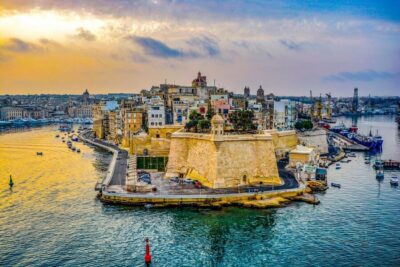

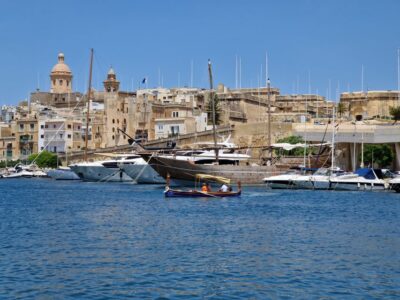
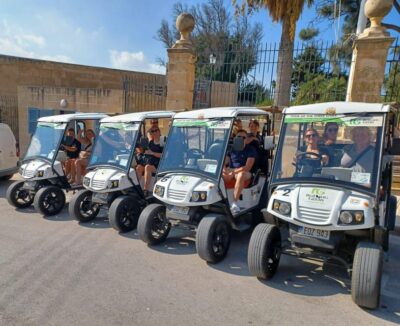
3-City Self-Drive Exploration with GPS Audio Guide
Read our review →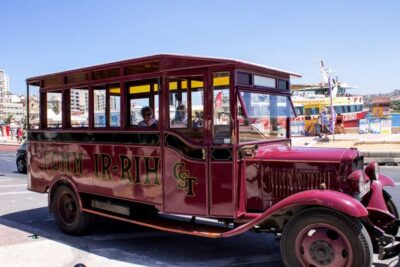

Three Cities guided tour including harbour boat tour
Read our review →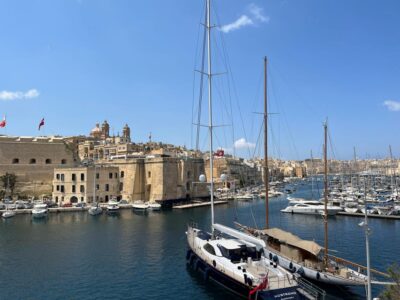
Birgu: 3 Cities Walking Tour With Inquisitors Palace Entry
Read our review →Browse the lists this tour appears in