
Review · WALKING TOURS
Valletta World War II Private Walking Tour
Malta’s wartime story is written in stone. I like the private format, which gives you room to ask questions, and I like the way the tour connects famous sites with daily life during the Siege of Malta. You hear about shelters, food kitchens, convoys, and bombing raids, not just military dates.
The walk also includes the National War Museum at Fort St. Elmo, where you can see Malta’s 1942 George Cross. The main drawback is physical: three hours on stone streets, with hills and stairs, can be tiring, and the museum ticket costs extra.
In This Review
- Key points to know before you book
- Why Valletta’s World War II story matters
- Starting near Valletta City Gate
- Seeing the Royal Opera House as a wartime ruin
- The Siege Bell Memorial and Grand Harbour views
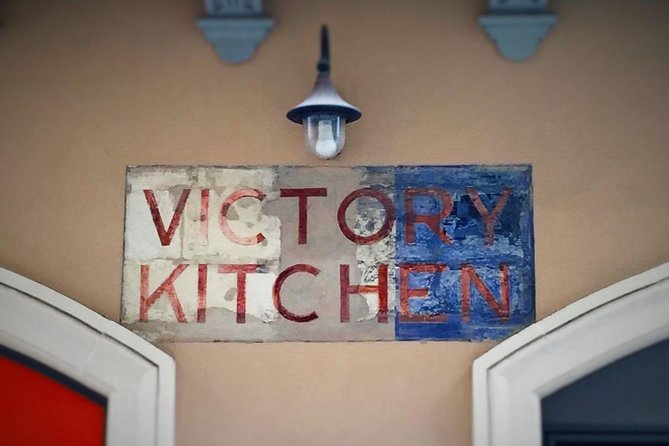
- Tunnels, shelters, and the Victory Kitchens
- The Illustrious Blitz and the San Marija Convoy
- One hour at Fort St. Elmo’s National War Museum
- How the private format changes the experience
- The guides: Matthew and Mario
- Walking conditions and what to bring
- Who should book this Valletta WWII tour?
- Should you book the Valletta World War II Private Walking Tour?
- FAQ
- Where does the Valletta World War II tour start?
- Where does the tour finish?
- How long does the tour last?
- Is the National War Museum ticket included?
- Is this a private tour?
- How many people can join for the listed price?
- What language is the tour offered in?
- What World War II sites are included?
- Is the tour physically demanding?
- Is hotel pickup included?
- Can I cancel or change the booking?
Key points to know before you book
- The tour links Valletta’s streets to the 1940 to 1942 Siege of Malta, including the Illustrious Blitz and the San Marija Convoy.
- The private guide makes the experience flexible, with time for questions, breaks, and family connections to Malta’s wartime past.
- The ruined Royal Opera House and Siege Bell Memorial give you powerful physical reminders of the bombing.
- The National War Museum visit lasts about one hour, but admission is not included in the tour price.
- The walk finishes at Fort St. Elmo, making it easy to continue with nearby sights if your schedule allows.
- Comfortable shoes, water, and sun protection matter, since most of the experience takes place outdoors.
Why Valletta’s World War II story matters
Valletta is often introduced through the Knights of St. John, grand churches, and harbor views. This tour shifts your attention to a later chapter, when Malta became a key British base in the Mediterranean and a target for Axis forces.
In 1940, Italy declared war on Malta. The island’s position made it useful for attacks on shipping routes and North Africa, but that same position made it a target. Valletta and the surrounding communities endured sustained bombing, while Axis forces also tried to cut off food, fuel, and other supplies.
From 1940 to 1942, Malta was one of the most heavily bombed areas of the war. The tour helps you understand what that meant at street level. You are not simply told that bombs fell. You see the damaged Opera House, hear about underground shelters, and learn how residents tried to keep eating, working, and caring for one another.
I find that setting important. Valletta’s elegant stone buildings can make the city feel like a preserved monument, but this walk shows you that people were living through fear and shortage only a few generations ago.
More Walking Tours in Malta:
- The Original Valletta Walking Tour
★ 5.0 · 2,719 reviews - Valletta: 3-Hour Walking Tour
★ 4.7 · 1,605 reviews - Valletta: Guided City Walking Tour
★ 4.8 · 1,256 reviews
Starting near Valletta City Gate
The published starting point is in central Valletta, identified as Valletta City Gate or Victoria Gate in the meeting details. Some tour arrangements have also begun near the Upper Barrakka Gardens, so I would check your confirmation carefully rather than relying on a general map pin.
That detail matters because Valletta’s entrance area can be busy, and a missed meeting point can ruin a short tour. One failed meeting was blamed on confusion between Valletta and Mdina, so take the city name seriously. The guide may be waiting at Valletta City Gate, not at another Maltese city with gardens and horse carriages.
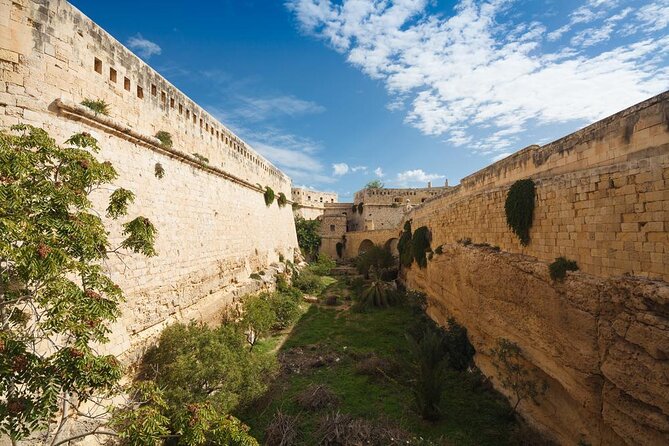
The opening stop is brief, about five minutes, but it gives your guide a useful place to set the scene. You begin among Valletta’s main streets, then move toward the harbor and wartime sites. The honey-colored limestone, steep streets, and grand facades are not just scenery here. They help you picture how bombing could damage a compact city and how difficult it must have been to move people and supplies through it.
The meeting area is accessible by public transportation, and there is no hotel pickup. If you are arriving from a cruise ship, the walk into Valletta is manageable according to one cruise passenger who used the tour during an eight-hour stop. Still, allow time to find the exact meeting point.
Seeing the Royal Opera House as a wartime ruin
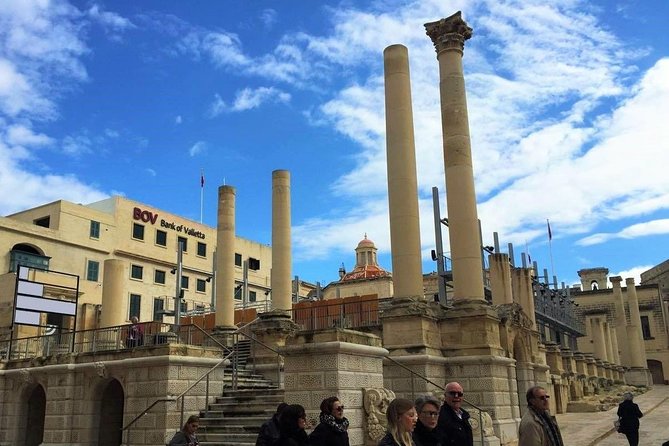
One of the most memorable stops is the shell of the Royal Opera House. A German bombing raid destroyed the building in 1942, and its remains now sit in a prominent part of Valletta.
The ruined structure works better than a long explanation. You can see how a building once associated with music and public life became a symbol of destruction. Your guide explains the attack and places it within the wider bombardment of Valletta.
I like this stop because it avoids turning wartime history into an abstract list of campaigns. The Opera House was part of ordinary civic life. Its destruction shows how the war reached beyond military targets and into the cultural center of the city.
The downtown portion does not offer a large number of preserved battlefield sites. One person found that there were not many wartime locations in the center itself, although the harbor views were excellent. That is a fair expectation. This is not a tour of intact trenches or a battlefield with clear lines in the ground. It is a city walk built around surviving buildings, memorials, viewpoints, and explanation.
The Siege Bell Memorial and Grand Harbour views
The Siege Bell Memorial overlooks the Grand Harbour and gives the tour a quieter moment. Here, the setting helps you grasp Malta’s exposed position and its importance to Mediterranean shipping.
The guide discusses the Siege of Malta, the prolonged effort to bomb or starve the island into submission, and the wider struggle for control of the region. You also hear about the Battle of Grand Harbour and the pressure placed on Malta’s ports.
The views are part of the value. From the harbor area, you can connect the geography to the military story. Ships had to reach Malta with supplies, while Axis forces tried to stop them. The harbor was both a lifeline and a target.
The memorial is also a good place to pause. Several people praised guides for keeping a gentle pace and stopping often to discuss locations. That approach suits this subject. You need time to look outward, listen, and ask how the harbor shaped the island’s fate.
A few more options to weigh up in Malta
- Private Boat Tour: Crystal Lagoon, Blue Lagoon, Comino and Gozo
★ 5.0 · 1,077 reviews - Gozo Full-Day Jeep Tour with Private Boat to Gozo & return
★ 4.5 · 1,048 reviews - Private Day Sailing Boat Charter
★ 5.0 · 662 reviews - Gozo Full-Day Quad Tour with Private Boat to Gozo & return
★ 4.5 · 627 reviews
Tunnels, shelters, and the Victory Kitchens
The most human part of the tour may be the discussion of Valletta’s wartime tunnels and community kitchens. Underground spaces gave residents shelter during raids, while the Victory Kitchens helped feed people when ordinary food supplies were under severe pressure.
These details show how civilians adapted. The tour looks at the practical work of survival: finding shelter, obtaining food, and trying to preserve some routine while aircraft and bombs disrupted daily life.
You should not expect an extended underground visit as part of this three-hour walk. The tour explains the tunnels and their purpose, but the listed National War Museum is the formal museum stop. One person also recommended visiting the Lascaris War Rooms and the War Headquarters tunnels separately, so you may want to add those sites if underground military spaces interest you.
This is one reason the private format helps. Guides such as Matthew and Mario have been praised for answering questions beyond the strict World War II outline, including Malta’s earlier history and the experience of local families. Mario is a retired Maltese history teacher, and his family connections to wartime life add a personal layer to the subject.
The Illustrious Blitz and the San Marija Convoy
The walk covers major events, including the Illustrious Blitz of 1941. The HMS Illustrious aircraft carrier was repeatedly attacked in Valletta, and the raids placed intense pressure on the harbor and the city around it.
Your guide also explains the San Marija Convoy, a crucial effort to bring supplies through to Malta. The convoy story helps you understand why food and fuel were as important as aircraft and artillery. Malta’s survival depended on keeping supply lines open.
These events can be hard to follow from a book alone because several campaigns overlap. A private guide can slow down, place each event in sequence, and answer the obvious question: why did Malta matter so much to the war in North Africa?
That wider context is one of the tour’s strongest points. You learn about Malta’s role in the Mediterranean, not just what happened inside Valletta’s walls.
One hour at Fort St. Elmo’s National War Museum
The tour includes a guided visit to the National War Museum at Upper Fort St. Elmo. The museum portion lasts about one hour, and the admission ticket is paid separately.
This is not a quick walk past the entrance. A strong guide stays with you, points out the main exhibits, and explains how the objects fit together. Matthew has been praised for walking through the museum with the group rather than sending people in alone. That makes a real difference, especially if you have limited time or do not know which exhibits best explain Malta’s wartime ordeal.
The museum covers the struggle to supply Malta and includes audio-visual material about the war years. The 1942 George Cross is a major highlight. King George VI awarded the medal to Malta’s population for courage under attack, and seeing the actual decoration gives the story a clear focal point.
The museum also brings together the military and civilian sides of the war. After hearing about the bombings, shelters, and convoys outdoors, you can examine objects and displays that help make those events more concrete.
The tour ends at Fort St. Elmo and the museum rather than returning you to the starting point. That is convenient if you want to continue nearby. One family ended its tour by visiting Fort St. Elmo, the Malta Experience, and the Knights of Malta Hospital. Just remember that these additional attractions are not part of the three-hour booking.
How the private format changes the experience
This is a private activity for your group only, with a professional guide. The advertised price is $373.48 for up to four people, so the value improves sharply if you fill the group.
For four people, that works out to roughly $93 per person before the museum ticket. For two people, it is about $187 per person, and for one person the cost is high. The right comparison is not with a basic group walk. You are paying for personal attention, a guide who can adjust the pace, and a focused subject that most general Valletta tours do not cover in this detail.
I would especially value the format if you have a family connection to Malta, a strong interest in military history, or only a few hours in port. Several people used the tour to ask detailed questions about relatives who lived in Malta or served with the Royal Navy.
The private setup also helps with the emotional weight of the subject. You can pause at a memorial, ask for clarification, or spend longer on a family-related question without worrying about a large group.
The downside is that a private tour cannot create more wartime remains than Valletta has preserved. Some of the experience is explanation and storytelling rather than a long sequence of physical sites. If you need a museum-heavy or tunnel-heavy day, you may want to add the Lascaris tunnels or other military attractions separately.
The guides: Matthew and Mario
Matthew receives especially strong praise for his passion, precise recall of dates, and ability to keep the group interested. He is also described as personable and flexible, with a good command of Malta’s story beyond World War II, including the period beginning in the 1500s.
Mario brings a different strength. He is a retired history teacher from Malta and shares family accounts of life during the war. He has also helped people with Maltese pronunciation and suggested other museums and activities for the rest of their stay.
The guide assigned to you may vary, so you should not book solely on the hope of getting one particular person. Still, the repeated praise for Matthew and Mario points to the main strength of this experience: the quality of the individual guide.
The overall score is 4.8 from 26 ratings, with 96 percent recommending it. One one-star experience involved a missed meeting, apparently caused by going to the wrong Maltese city, so verify the location and make sure the guide can reach you by phone.
Walking conditions and what to bring
This is a real walking tour, not a short stroll between indoor attractions. You may deal with hard stone, uphill sections, and stairs. The listed guidance calls for moderate physical fitness, and that is sensible.
Wear shoes that handle uneven stone streets. Bring water and sun protection, especially in warm weather. The walk takes place outdoors for most of its duration, and shade may not always be available.
The guide may keep a gentle pace and include breaks, but you still need to be comfortable walking for several hours. If you have limited mobility, ask about the route before booking. The available information does not promise a step-free itinerary.
The tour is offered in English and uses a mobile ticket. Confirmation is normally sent within 48 hours, subject to availability. The booking is non-refundable and cannot be changed, so be certain about your date and meeting point before paying.
Who should book this Valletta WWII tour?
I would choose this tour if you want Malta’s wartime role explained by a local guide rather than reduced to a few plaques. It suits history lovers, military history fans, families tracing Maltese roots, and cruise passengers with a short stop in Valletta.
It is also a good choice if you value conversation. You can ask about the Knights of Malta, the harbor, the British military presence, or how earlier Maltese history shaped the events of World War II.
I would think twice if you dislike walking on hills and stairs, want a tour conducted mostly indoors, or are mainly interested in the Knights of St. John. The tour includes broader Maltese history when useful, but World War II remains the central subject.
Should you book the Valletta World War II Private Walking Tour?
Book it if Malta’s war years are a main reason you want to understand Valletta. The combination of harbor views, the ruined Opera House, the Siege Bell Memorial, civilian survival stories, and a guided museum visit gives you a clear picture of why Malta mattered.
The price is easiest to justify for a group of three or four. Add the museum ticket to your budget, wear good shoes, and confirm the meeting point carefully. If you do that, this is a focused and personal way to see Valletta’s wartime past, especially when you have only one morning or afternoon to spare.
FAQ
Where does the Valletta World War II tour start?
The listed starting point is in central Valletta, identified as Valletta City Gate or Victoria Gate. Some arrangements have used the Upper Barrakka Gardens area, so check your booking confirmation for the exact meeting location.
Where does the tour finish?
The tour finishes at Fort St. Elmo and the National War Museum on Mediterranean Street in Valletta.
How long does the tour last?
The walking tour lasts approximately three hours, including a guided visit to the National War Museum.
Is the National War Museum ticket included?
No. Admission to the National War Museum is not included in the tour price and must be paid separately.
Is this a private tour?
Yes. Only your group participates, with a professional private guide.
How many people can join for the listed price?
The price of $373.48 covers a group of up to four people.
What language is the tour offered in?
The tour is offered in English.
What World War II sites are included?
The tour covers sites connected with the Siege of Malta, the Siege Bell Memorial, the ruined Royal Opera House, Valletta’s wartime tunnels, Victory Kitchens, and other memorials. It also includes the National War Museum.
Is the tour physically demanding?
You should have moderate physical fitness. The walk includes hard stone streets, uphill sections, and some stairs, so comfortable shoes are important.
Is hotel pickup included?
No. Hotel pickup and drop-off are not included.
Can I cancel or change the booking?
The experience is non-refundable and cannot be changed for any reason. Check your date and meeting point carefully before booking.
Just added in Malta
- Wakeboarding Adventure in Malta: Learn to Ride★ 5.0 · 4 reviews
- Gozo: Wine Tasting and Paired Dinner Experience★ 4.9 · 43 reviews
- Victoria, Gozo: Sunset Walking Food and Drink Tour★ 5.0 · 6 reviews
- World War II Malta Full-Day Walking Tour★ 4.3 · 18 reviews
- Malta: 5 hr Vintage Bus Tour – Mdina & Blue Grotto inc. food★ 5.0 · 22 reviews
- Valletta: Private Massage from a world renowned masseuse★ 4.6 · 9 reviews
- Valletta Street Food & History Tour With Private Transfers★ 4.5 · 15 reviews
- Valletta: Private Walking Tour With A Guide ( Private Tour )★ 5.0 · 1 review
Walking Tours, compared.

Guided Walking Tour with Optional Cathedral Tour
Read our review →
The Valletta Street Food and Culture Walking Tour
Read our review →Browse the lists this tour appears in