

Review · VALLETTA TOURS
Aviation Museum, Mosta Church, WWII Shelters inc. Platter
Malta’s past rides on a bus. This four-hour tour links three worthwhile sights with a ride on a traditional Maltese Xarabank, a colorful bus once built locally from the 1950s through the 1970s. I especially like the old bus itself and the chance to see the Mosta Dome from above, not only from the church floor. The main drawback is time: several people found the Aviation Museum and Mosta Church visit a little rushed.
The tour also includes a Maltese platter, coffee, and water, which adds a pleasant local-food stop without requiring another booking. English guide Paul has been praised for clear, informative commentary, while driver David was singled out for making the vintage-bus ride enjoyable. At $57 per person, the price is fair if you want transport, admission, guiding, and food in one compact outing, but less attractive if you prefer long, unhurried museum visits.
In This Review
- Key points at a glance
- Why the vintage Maltese bus matters
- Ta’ Qali Aviation Museum: Malta’s air story in three hangars
- Mosta Rotunda and the bomb that failed to explode
- The Mosta wartime shelters beneath the church
- Maltese platter, coffee, and a taste of local food
- How the four-hour schedule feels
- Is $57 a fair price?
- Who should book this Malta tour?
- Should you book it?
- FAQ
- How long does the tour last?
- What language is the tour conducted in?
- What type of bus is used?
- Which attractions are included?
- Is hotel pickup included?
- What food and drinks are provided?
- Is admission included?
- Is the tour suitable for people with mobility impairments?
- When will I receive the pickup details?
Key points at a glance
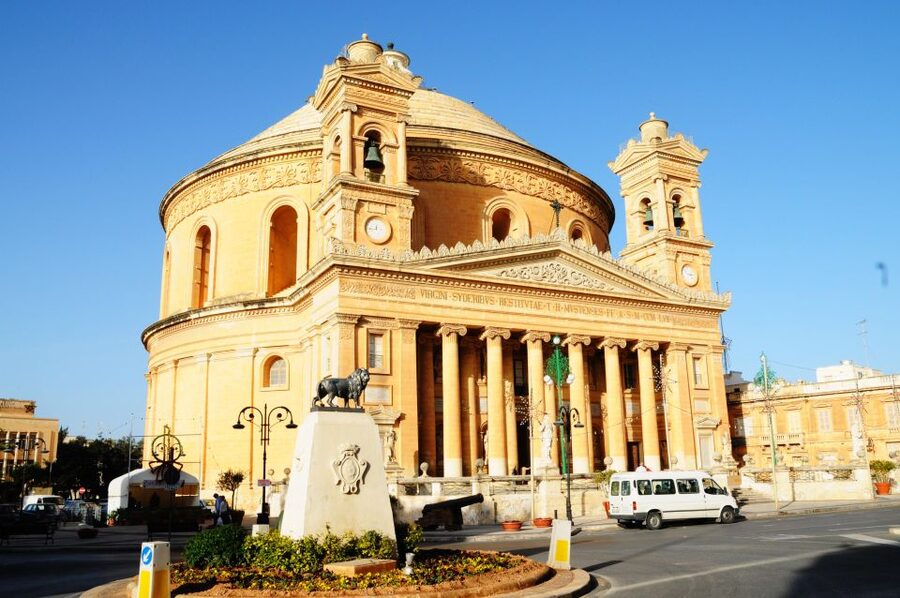
- The Xarabank is the star of the transport: These old Maltese buses were painted in different colors for local routes before bus numbers became standard.
- Ta’ Qali’s Aviation Museum fills three hangars: Exhibits focus on Malta’s aviation story, with strong attention to World War II and the postwar years.
- Mosta’s dome is the visual high point: The church has one of the world’s largest unsupported domes and a famous wartime bomb story.
- The shelter visit gets you below street level: Hand-dug in 1940, the shelter shows how families sought protection during repeated air raids.
- The food stop is modest but useful: The platter offers a taste of local savory foods, though portions may feel small.
- Mobility matters: The tour is not suitable for people with mobility impairments, and the church includes stairs and upper-level areas.
Why the vintage Maltese bus matters

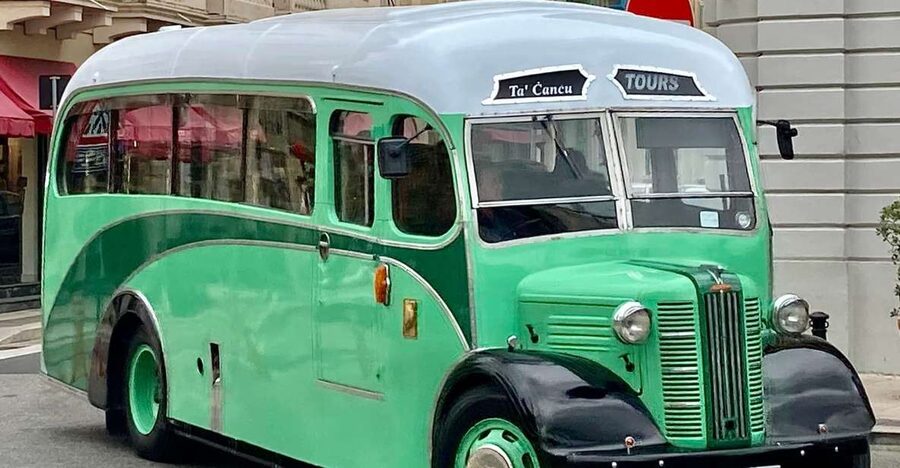
The ride begins with a piece of Malta’s social history rather than a standard modern coach. The Xarabank was the traditional Maltese bus, built by local craftsmen in many colors. Before route numbers became common, color helped people identify the service for their locality, an especially useful system in a time when not everyone could read.
These buses were rarely plain. Owners added painted designs, decorative lettering, passenger messages, saint names, song lyrics, slogans, chrome trim, flags, and good-luck symbols. The result was part public transport and part rolling scrapbook.
That makes the journey more than a way to get from one sight to another. You get a short look at an older Malta, when the bus was a local landmark and not simply a vehicle. The buses now appear mainly for weddings and special events, so this tour gives you a practical reason to ride one.
Expect character rather than modern comfort. The exact bus dates can vary, although one family described its vehicle as a 1930s vintage bus. If your priority is a smooth, quiet ride with generous legroom, this may not be your ideal transport. If you enjoy old machinery and local traditions, the ride may be one of the most memorable parts of the morning.
More Museum Tours in Valletta:
- Casa Rocca Piccola Palace and Museum Entrance Ticket
★ 4.7 · 116 reviews - Casa Rocca Piccola palace & museum entrance ticket
★ 4.5 · 42 reviews - Malta Classic Car Collection Museum Entry Ticket
★ 4.9 · 247 reviews
Ta’ Qali Aviation Museum: Malta’s air story in three hangars
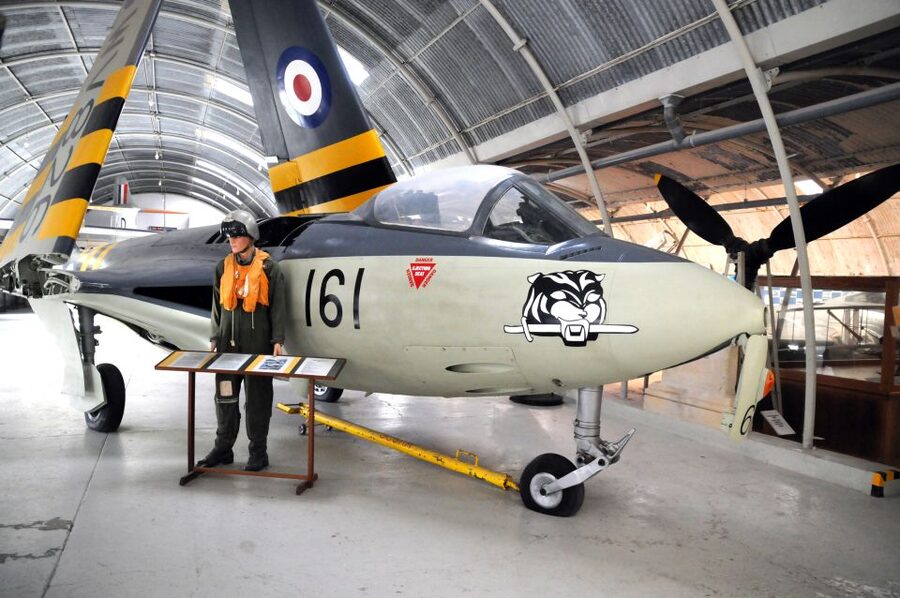
The first major stop is the Malta Aviation Museum at Ta’ Qali, located on the site of a former Royal Air Force airfield. The museum occupies three hangars and traces aviation on the island, with particular attention to the Second World War and the postwar period.
That setting gives the collection useful context. You are not looking at aircraft in an unrelated gallery. You are visiting an airfield site tied to the island’s military and aviation past, which helps explain why Malta became such an important point in the Mediterranean.
The museum is also involved in preserving and restoring aircraft. Some of the planes are maintained in airworthy condition, adding a working element to the collection. You may find this more engaging than a display of aircraft that are only fixed in place and labeled.
The available tour time is described as just enough by one family with a child, but another visitor wanted longer to inspect the aircraft and exhibits. That difference tells you how to plan your expectations. Four hours must cover the bus ride, three attractions, guiding, and food, so this is an introduction rather than a full museum study.
I would give the Aviation Museum your full attention as soon as you enter. Look for the details that show how aircraft were preserved and restored, and listen closely to the guide’s explanation of the wartime and postwar displays. A visitor praised the Aviation Museum guide and called the tour especially informative, which suggests that the commentary adds real value here.
Families may find this stop particularly useful because aircraft give children an immediate point of interest. The visit also breaks up the church and shelter portions of the tour, creating a good mix of machines, architecture, and wartime life.
Mosta Rotunda and the bomb that failed to explode

The Mosta Rotunda, also called Mosta Dome, is dedicated to the Assumption of Our Lady. Its design draws on the Pantheon in Rome, and the church has the third-largest unsupported dome in the world. It is also Malta’s largest and most famous church.
The scale is hard to appreciate from photographs alone. Once inside, look upward and allow a moment for the dome to register. The interior space is the chief reason to visit, but this tour adds access beyond the main church floor.
During the visit, you can see the sacristies, objects of prestige, a large model of the church, and a replica of the wartime bomb connected with Mosta’s best-known story. On April 9, 1942, a German aerial bomb pierced the dome and fell into the church during Mass. It did not explode, and the Maltese interpreted the event as a miracle.
The story deserves a little care. The event is deeply important to local faith and memory, but many bombs failed to explode during the war. Even so, seeing the replica and standing inside the church gives the incident a strong sense of place. This is not just a story in a guidebook. The damage came through the dome above the congregation.
A special part of the visit is going up to the portico, bell tower, and inner gallery. These upper areas let you view the church from different angles and give you a better feel for the structure. They also require walking and stairs, so the tour is not suitable for people with mobility impairments.
The main criticism is pace. One visitor loved the church but felt there was not enough time to look around. You should enjoy the major features first: the dome, the bomb replica, the model, and the upper-level views. If you want quiet time for every chapel, object, and architectural detail, you may find the schedule too tight.
The Mosta wartime shelters beneath the church

The final historical stop is the World War II shelter beside the Mosta church parvis. The shelter was dug by hand in 1940 by 15 highly skilled workers. Local families used it during the war to protect themselves from the frequent air raids.
This stop changes the scale of the story. The Aviation Museum shows the aircraft and the military side of the conflict. The Mosta Dome shows how the war reached a place of worship. The shelter brings you into the cramped defensive spaces used by ordinary families.
The complex also includes an exhibition of tools and implements linked to old trades. That detail widens the visit beyond wartime history. You get a small look at the work and equipment of earlier Maltese communities, not just the emergency use of the tunnels.
The shelter is not a grand attraction, and that is part of its value. It helps you picture how people adapted when raids were a regular threat. The hand-dug passages make the labor visible in a way a text panel cannot.
You should expect another fairly brief visit. The overall route has to keep moving, and the shelter, church, and museum are all included in a single morning or afternoon. Still, the shelter is an efficient stop because it adds a human side to the military history introduced at Ta’ Qali.
More things to do in Valletta:
- From Malta: Full-Day Gozo UTV Tour with Lunch and Boat Ride
★ 4.6 · 4,408 reviews - The Original Valletta Walking Tour
★ 5.0 · 2,719 reviews - Valletta: 3-Hour Walking Tour
★ 4.7 · 1,605 reviews - From Malta: Full-Day Gozo Quad Tour with Lunch and Boat Ride
★ 4.8 · 1,419 reviews
Maltese platter, coffee, and a taste of local food
At the end of the tour, you receive local savory foods with coffee and water. The platter gives you a simple introduction to Maltese flavors without making food the main purpose of the excursion.
I like this format for a short tour. You can try several items, pause after the historical visits, and avoid arranging a separate lunch immediately afterward. It is also useful if you want a small taste of local food but are not ready to commit to a full restaurant meal.
Keep your expectations modest. One family called the platter delicious and a good way to taste traditional Maltese food. Another visitor found it basic and small. Both impressions can be true: the platter may be enjoyable as a sample, but it is not designed as a large meal.
If you are hungry after four hours, plan on eating again later. The food is an included extra, not the main value of the tour. Its real benefit is convenience and a local touch at the end.
How the four-hour schedule feels
The tour lasts four hours, with hotel pickup and drop-off or collection from the nearest point. The precise starting time depends on availability. One day before the excursion, the local supplier sends the pickup time and location, so you should include your hotel name carefully when booking and watch for that confirmation.
The compact schedule works well if you want several central Malta sights without working out buses, admissions, and directions yourself. You get an English-speaking licensed guide, transport, entry to all three attractions, and the food stop in one package.
The tradeoff is depth. You are moving between stops, and the Aviation Museum and Mosta Church may not receive as much free time as dedicated visitors would like. I would choose this tour for variety and ease, not for a slow museum afternoon.
Wear comfortable clothes, as requested for the activity. The church includes access to upper levels, and the shelter visit may involve conditions that are less suitable for anyone with limited mobility. Since the tour is not suitable for people with mobility impairments, consider this a firm planning point rather than a minor note.
Is $57 a fair price?
At $57 per person, the price includes more than admission. You are paying for the traditional bus experience, hotel pickup and return or a nearby pickup point, a licensed English-speaking guide, three entrance fees, and the platter with coffee and water.
That is reasonable if you value a guided route and want the logistics handled. Getting between Ta’ Qali and Mosta independently may cost less, but you would need to arrange transport, pay separate entry fees, and learn the significance of each place on your own.
The value drops if you mainly want unlimited time at the Aviation Museum or Mosta Rotunda. The tour’s strength is its range. In four hours, you sample aviation, church architecture, wartime shelters, local transport, and food.
Free cancellation up to 24 hours before departure and the option to reserve now and pay later also make the booking less rigid. Those terms are useful when your Malta schedule is still changing, but they do not alter the basic question: do you prefer convenience and variety, or more time at fewer places?
Who should book this Malta tour?
I would recommend it to first-time visitors who want a clear introduction to Malta’s wartime and cultural story. It also suits families, since the old bus and aircraft can keep younger visitors interested while the church and shelter add depth for adults.
It is a good fit for anyone who likes unusual transport, guided history, and several short stops in one outing. The combination feels more personal than a standard sightseeing bus because the Xarabank has local character and the shelters connect history to everyday life.
You may want another plan if you have limited mobility, dislike stairs, or prefer to study museum displays at your own pace. Dedicated aviation fans should allow extra time elsewhere for the museum, and architecture lovers may wish to return to Mosta Rotunda independently.
The tour has an overall rating of 4.2 from 16 reviews, with the strongest praise directed toward the vintage bus, the Aviation Museum, the Mosta Dome, and the guide’s commentary. The repeated concern is not poor quality, but limited time and a modest food portion.
Should you book it?
Book this tour if you want an easy four-hour sampler with a memorable old bus, strong historical variety, and all main costs bundled together. The Mosta Dome and Aviation Museum are the biggest draws, while the shelter adds a grounded wartime perspective and the platter finishes the visit neatly.
Skip it if your ideal day means lingering over aircraft, sitting quietly beneath church architecture, or eating a substantial meal. For most visitors who want a well-organized introduction to Ta’ Qali and Mosta, $57 is a sensible price for the amount covered, as long as you accept the brisk pace.
FAQ
How long does the tour last?
The tour lasts four hours.
What language is the tour conducted in?
The live tour guide speaks English.
What type of bus is used?
The tour uses a traditional Maltese bus called a Xarabank. These buses were built by Maltese bus builders from the 1950s through the 1970s.
Which attractions are included?
The tour includes the Malta Aviation Museum at Ta’ Qali, Mosta Rotunda or Mosta Dome, and the Mosta World War II Shelters.
Is hotel pickup included?
Yes. Pickup and drop-off at your hotel or the nearest suitable point are included.
What food and drinks are provided?
You receive a Maltese platter with local savory foods, coffee, and water.
Is admission included?
Yes. Entry to the Malta Aviation Museum, Mosta Dome, and Mosta World War II Shelters is included.
Is the tour suitable for people with mobility impairments?
No. The tour is listed as not suitable for people with mobility impairments.
When will I receive the pickup details?
The local supplier sends the pickup time and location by email one day before the excursion. You should include your hotel name when booking.
Just added in Valletta
- World War II Malta Full-Day Walking Tour★ 4.3 · 18 reviews
- Malta: 5 hr Vintage Bus Tour – Mdina & Blue Grotto inc. food★ 5.0 · 22 reviews
- Valletta: Private Walking Tour With A Guide ( Private Tour )★ 5.0 · 1 review
- Valletta: Private Maltese Cuisine Walking Tour★ 4.8 · 8 reviews
- Valletta Private Walking Tour★ 5.0 · 1 review
- Afternoon Harbours Cruise with Guide and Roundtrip Transfers★ 3.4 · 11 reviews
- Valletta & Mdina: Private Tour★ 4.5 · 16 reviews
- Valletta: Guided Walking Tour★ 3.8 · 5 reviews
Valletta Tours, compared.
Full-Day Gozo UTV Tour with Lunch and Boat Ride
Read our review →


Full-Day Gozo Quad Tour with Lunch and Boat Ride
Read our review →

Gozo Full-Day Jeep Tour with Private Boat to Gozo & return
Read our review →
Browse the lists this tour appears in