
Review · VALLETTA TOURS
Casa Rocca Piccola palace & museum entrance ticket
Casa Rocca Piccola hides a wartime world below the city. This 16th-century palace gives you two very different experiences in one stop: refined rooms filled with furniture, silver, and paintings, then rock-cut shelters where more than 100 people sought safety during World War II. I especially like the living-home feel and the chance to see parts of Valletta’s past that a standard city walk can miss. The underground shelters are the other big draw. The main caution is pace: a live guide may move quickly, and some visitors want more detail about the family’s place in Maltese history.
For $12.62, you get a useful dose of culture without committing half a day to a formal museum. You can choose a live English tour, an audio tour, or a printed guide, so the visit can fit around your Valletta plans. Daniela has earned praise for her warm manner, while Stephen has been singled out for a polished and insightful presentation. The palace is close to the city center, making it an easy addition to a day of sightseeing.
In This Review
- Key things to know before entering Casa Rocca Piccola
- Why Casa Rocca Piccola feels different from a normal museum
- Entering a palace with more than 50 rooms
- The underground shelters add a second story
- Choosing between a live guide, audio tour, or printed guide
- The internal garden, animals, and unexpected details
- How much time should you allow?
- Is the $12.62 ticket good value?
- Who will enjoy this visit most?
- Practical advice before your visit
- Should you book Casa Rocca Piccola?
- FAQ
- Where is Casa Rocca Piccola?
- How much does admission cost?
- How long does the visit take?
- Is a guided tour included?
- Are self-guided options available?
- What can I see inside the palace?
- Are the World War II shelters included?
- What facilities are available on site?
- Can I cancel my booking?
Key things to know before entering Casa Rocca Piccola
- A noble family home, not a staged royal palace: Casa Rocca Piccola remains the ancestral home of the de Piro family, so the rooms feel personal as well as historic.
- The underground shelters are a major part of the visit: Tunnels cut through the rock served as World War II air raid shelters for more than 100 people.
- More than 50 rooms are part of the palace: Only some are open to view, but the route still offers a substantial look at the home.
- You can choose your level of guidance: Live English tours, audio tours in five languages, and printed information are available with admission.
- Look for the small details: The dining room, internal garden, period lighting, ancestral portraits, Bentley, parrot, and turtles all add character.
- A flexible stop in central Valletta: The visit can take around 30 minutes to six hours, depending on how you tour and how long you spend looking around.
Why Casa Rocca Piccola feels different from a normal museum
Many historic houses are empty shells. Casa Rocca Piccola is more engaging because it is still the de Piro family’s ancestral home. You are not simply walking through rooms arranged by a museum team. You are seeing a residence shaped by generations of family life, taste, inheritance, and practical change.
That difference shows up in the details. Portraits of the Marquises de Piro and the Barons of Budach hang alongside modern paintings. Silver sits among furniture and household objects from Malta and Europe. The result is not a neat timeline of Maltese history, but a personal collection built over many generations.
I like this kind of place because it gives you a more human view of the past. A formal fort tells you how Malta defended itself. Casa Rocca Piccola gives you a glimpse of how one noble family lived, entertained, displayed its status, and adapted to changing times.
The building dates to the 16th century and was first created for Don Pietro La Rocca, a Knight of Malta. That origin places the palace firmly within Valletta’s long story of knights, noble families, and urban life. Still, the appeal is not only the age of the building. The house feels occupied and cared for, which makes the visit more intimate than a large state museum.
More Museum Tours in Valletta:
- Casa Rocca Piccola Palace and Museum Entrance Ticket
★ 4.7 · 116 reviews - Aviation Museum, Mosta Church, WWII Shelters inc. Platter
★ 4.2 · 16 reviews - Malta Classic Car Collection Museum Entry Ticket
★ 4.9 · 247 reviews
Entering a palace with more than 50 rooms
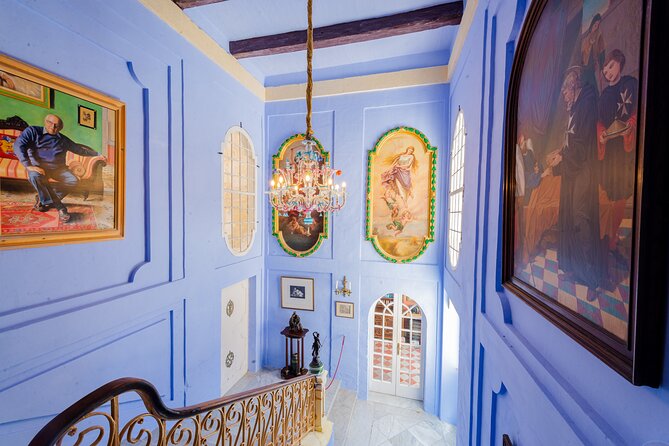
Casa Rocca Piccola contains more than 50 rooms, with many open for viewing. From the outside, the house can seem modest compared with Malta’s larger public buildings. Inside, it is much bigger than expected, with a sequence of rooms that opens up gradually.
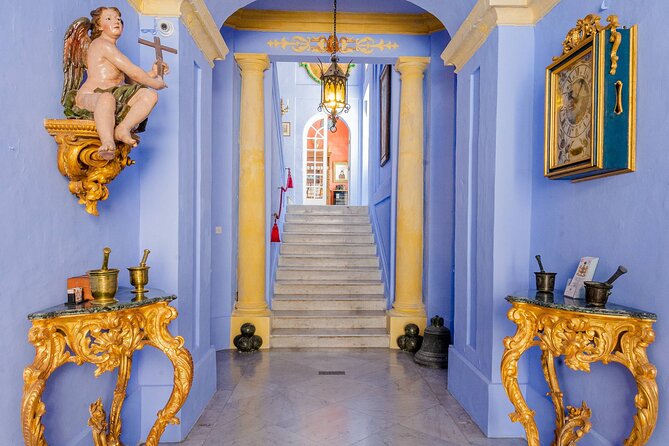
The first impression matters here. The entrance hall can provide a strong wow effect, setting the tone for the rooms beyond. You then move through spaces furnished with period pieces, silver, paintings, portraits, and decorative objects.
Do not rush past the smaller items. The large furniture catches your eye first, but the house is rewarding when you notice the details of family display. Look at the portraits across generations and the embroidered family trees. They help show how the de Piro family presented its identity and status.
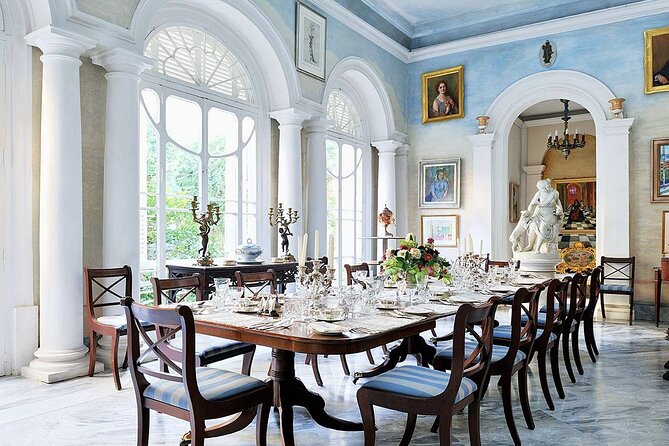
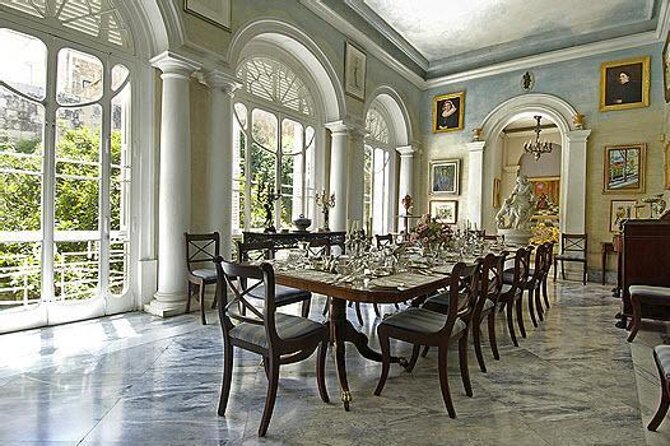
The dining room receives especially strong praise, and it is easy to see why it would be a highlight. Dining rooms are often among the best places to understand a historic home. They show how a family received guests, used formal ceremony, and displayed wealth through furniture, table settings, and lighting.
You may also encounter the current owner moving through the house, sometimes with Kiku, the family parrot. That possibility is part of the charm. It reinforces the fact that Casa Rocca Piccola is not just a preserved set of rooms. It is still connected to a living household.
The underground shelters add a second story
The most memorable part of the visit for many people is below the palace. Under Casa Rocca Piccola, tunnels were cut into the rock and used as air raid shelters during World War II. More than 100 people sheltered there while bombs fell on Valletta.
These spaces change the mood completely. Upstairs, you see noble interiors, antiques, paintings, and formal rooms. Below, you encounter the hard practical side of wartime Malta. The contrast gives the palace visit much of its power.
The shelters are also more spacious than you might expect from old tunnels. You are not simply peering into a narrow passage. The underground area offers enough room to understand how a large group could gather there for protection.
I would give the shelters proper attention rather than treating them as an optional extra. They connect the private home to the wider story of Valletta and Malta during the war. A palace can otherwise feel sealed off from ordinary life. The shelters remind you that the city above was exposed to real danger, and that historic homes had to serve practical purposes as well as grand ones.
The exact amount of time you spend underground will depend on the tour format and the pace of your visit. If you take the live tour, listen carefully for the transition from the family story to the wartime story. It is one of the clearest reasons to visit this house instead of choosing only another church, fort, or large museum.
Choosing between a live guide, audio tour, or printed guide
The live guided tour is offered in English, and pre-booking is recommended. A guide can connect the rooms, objects, family members, and tunnels into one flowing story. Daniela has been praised for being friendly, while Stephen has been described as poised, articulate, and insightful.
A live guide also gives the house a sense of occasion. Someone leads you from room to room, points out details you might miss, and keeps the visit moving. That last point is both a strength and a weakness. One guide may offer a lively, efficient route, while you may find the pace too quick if you want time to study every painting or piece of furniture.
If you prefer to move at your own speed, choose the audio self-tour. It is available in English, French, German, Italian, and Spanish. An audio tour can be the better option for anyone who likes to pause in a dining room, replay an explanation, or spend extra time with the underground shelters.
A printed guide is another choice. It may suit you if you want information without wearing headphones or following a live group. Since the palace contains many objects, having some form of guidance is worthwhile. Wandering without context could leave you admiring attractive rooms without understanding the people who used them.
The live tour is the best choice if you enjoy personal contact and questions. The audio or printed option is better if your sightseeing schedule is tight or you prefer independence. Since the ticket allows these formats, you can select the approach that matches your attention span and interests.
More things to do in Valletta:
- From Malta: Full-Day Gozo UTV Tour with Lunch and Boat Ride
★ 4.6 · 4,408 reviews - The Original Valletta Walking Tour
★ 5.0 · 2,719 reviews - Valletta: 3-Hour Walking Tour
★ 4.7 · 1,605 reviews - From Malta: Full-Day Gozo Quad Tour with Lunch and Boat Ride
★ 4.8 · 1,419 reviews
The internal garden, animals, and unexpected details
The internal garden is one of the quieter pleasures of Casa Rocca Piccola. After the formal rooms, it gives you a change of pace and a chance to look at the house from a less ceremonial angle.
The garden may also include turtles, and Kiku the parrot has become a memorable part of the experience for some visitors. These details sound small, but they make the palace feel less like a display case. A friendly parrot in a historic home is a better reminder of daily life than another label about a chair.
A black and yellow Bentley is another unusual object to look for. It adds a modern chapter to the story of the family and shows that the house is not frozen in the 16th century. Casa Rocca Piccola brings together old furniture, ancestral portraits, modern paintings, wartime shelters, family pets, and a striking car.
That mixture may appeal to you more than a strictly arranged museum. It also means the experience is not perfectly predictable. The focus is not limited to architecture or fine art. It is a portrait of a household across time.
How much time should you allow?
The estimated duration ranges from about 30 minutes to six hours. That is a wide range, but it makes sense because the format can vary. A quick visit with a self-guided option may take less time, while a slow visit with detailed listening, room-by-room study, garden time, and the shelters can stretch much longer.
For most sightseeing plans, I would treat Casa Rocca Piccola as a flexible half-day component rather than a fixed six-hour activity. The ticket lets you choose an entry time that suits your day, which is useful if you are also visiting Valletta’s churches, museums, and viewpoints.
If you have only 30 minutes, focus on the main rooms and the air raid shelters. If you have more time, slow down over the family portraits, silver, paintings, dining room, garden, and household details.
The broad time estimate should not lead you to expect six hours of continuous guided activity. It means the visit can be short or leisurely. Plan it as a stop you can adjust, not as an all-day program with a packed schedule.
Is the $12.62 ticket good value?
At $12.62 per person, the admission offers more variety than its price might suggest. You are paying for access to a historic palace, a large collection of domestic objects, an internal garden, and underground wartime shelters. Guidance is also included, with live English tours, audio tours, and printed information available.
The value is strongest if you care about homes, family history, decorative arts, or World War II. You get a mix of subjects in one central Valletta visit. It is also a sensible choice if you want a break from the heat, since one person specifically found it a good place to escape the sun for a few hours.
The value is less certain if you want a large palace with grand state rooms, sweeping courtyards, or a long chronological museum display. Casa Rocca Piccola is a smaller, more personal house. Its appeal comes from character and contrast rather than scale.
The ticket also avoids a potentially long wait through priority admission. That matters in Valletta, where a flexible entry time can help you keep a day on track. Still, priority access does not guarantee that every part of the visit will move at your preferred speed, especially when joining a live group.
Who will enjoy this visit most?
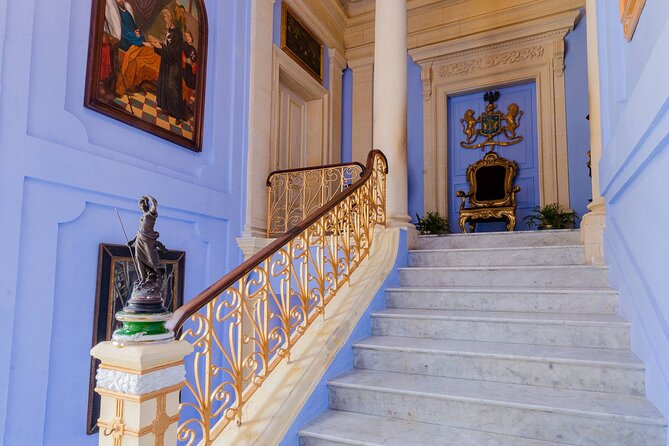
I would recommend Casa Rocca Piccola to you if you like historic homes more than oversized museums. The palace rewards curiosity about how people lived, not just interest in famous monuments.
It is also a strong choice for anyone who wants something beyond the standard Valletta circuit. After major churches and fortifications, this house adds a domestic view of the city. The wartime shelters make it especially useful for people interested in Malta’s World War II story.
Families may appreciate the animals and the changing pace between rooms, garden, and tunnels. Art and furniture enthusiasts will have plenty to inspect, though you should choose a self-guided format if you like to linger.
You may be less satisfied if your main goal is a detailed account of every ancestor and the family’s full role in Maltese public life. One criticism of the experience is that the family background can feel too lightly covered. The guide may explain the house well without giving enough wider context about the de Piro family or Malta itself.
Practical advice before your visit
Book ahead if you want the live English tour, since pre-booking is recommended. If your schedule is uncertain, the available entry times and self-guided options give you more room to plan.
Casa Rocca Piccola is near public transportation and close to the city center. You can pair it with other Valletta sights without building your whole day around the palace.
Restrooms, a bookshop, and La Giara restaurant are available on site. Those facilities make the visit easier to combine with a meal or a pause between sights.
Service animals are allowed, and most people can take part. The supplied information does not give further access details, so you should check directly if you need specific arrangements beyond that.
Finally, note the cancellation rule. You can cancel for a full refund up to 24 hours before the local start time. Changes or cancellations made less than 24 hours before the start are not accepted for a refund.
Should you book Casa Rocca Piccola?
Book it if you want a compact but varied Valletta experience: noble interiors upstairs, a garden at the center, and wartime shelters below. The price is fair, the location is convenient, and the choice of live guide, audio tour, or printed guide lets you control the pace.
I would choose the live English tour if you want personality and a connected story, with Daniela or Stephen offering the kind of human touch that suits a family home. Choose audio if you want to linger over the dining room, portraits, or underground tunnels.
Skip it only if you are seeking a huge palace or a full academic account of Maltese nobility. For everyone else, Casa Rocca Piccola is a worthwhile change of rhythm, and the shelters make it more than a pretty house full of antiques.
FAQ
Where is Casa Rocca Piccola?
Casa Rocca Piccola is in Valletta, Malta, close to the city center and near public transportation.
How much does admission cost?
The listed price is $12.62 per person.
How long does the visit take?
The approximate duration ranges from 30 minutes to six hours, depending on your tour format and how long you spend exploring the rooms, garden, and shelters.
Is a guided tour included?
Yes. Live guided tours in English are included, and pre-booking is recommended.
Are self-guided options available?
Yes. You can choose an audio self-tour or a printed guide. The audio tour is available in English, French, German, Italian, and Spanish.
What can I see inside the palace?
The palace has more than 50 rooms, with many open for viewing. You can see period furniture, silver, paintings, modern works, and ancestral portraits connected with the de Piro family.
Are the World War II shelters included?
Yes. The underground tunnels and air raid shelters beneath Casa Rocca Piccola are included with admission.
What facilities are available on site?
Restrooms, a bookshop, and La Giara restaurant are available at the palace.
Can I cancel my booking?
Yes. You can receive a full refund if you cancel at least 24 hours before the experience start time. Cancellations or changes made less than 24 hours in advance are not accepted.
Just added in Valletta
- World War II Malta Full-Day Walking Tour★ 4.3 · 18 reviews
- Malta: 5 hr Vintage Bus Tour – Mdina & Blue Grotto inc. food★ 5.0 · 22 reviews
- Valletta: Private Walking Tour With A Guide ( Private Tour )★ 5.0 · 1 review
- Valletta: Private Maltese Cuisine Walking Tour★ 4.8 · 8 reviews
- Valletta Private Walking Tour★ 5.0 · 1 review
- Afternoon Harbours Cruise with Guide and Roundtrip Transfers★ 3.4 · 11 reviews
- Valletta & Mdina: Private Tour★ 4.5 · 16 reviews
- Valletta: Guided Walking Tour★ 3.8 · 5 reviews
Valletta Tours, compared.
Full-Day Gozo UTV Tour with Lunch and Boat Ride
Read our review →


Full-Day Gozo Quad Tour with Lunch and Boat Ride
Read our review →
Gozo Full-Day Jeep Tour with Private Boat to Gozo & return
Read our review →
Browse the lists this tour appears in